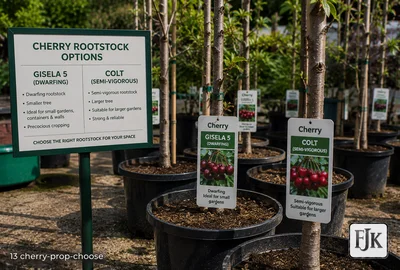
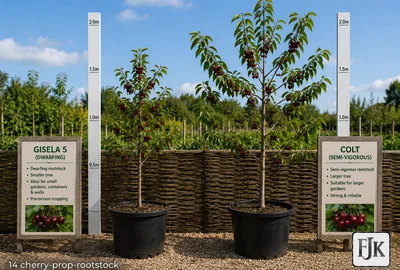
Grow sweet cherries on Gisela 5 rootstock for a manageable garden tree; acid cherries on Colt
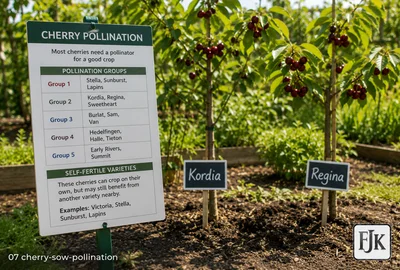
Most sweet cherries need a pollination partner — check compatibility groups; Stella and Sunburst are self-fertile
Acid cherries (Morello) are self-fertile and tolerate north-facing walls — the only fruit that does
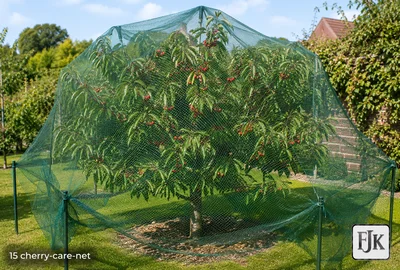
Net the tree before fruits colour — birds will strip a cherry tree completely overnight
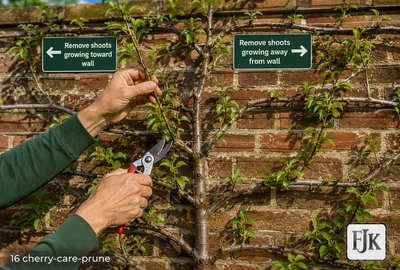
Prune in summer (July–August), never in winter — cherries are highly susceptible to silver leaf disease through winter wounds
🌱 SowPlant bare-root Nov–Mar · Container Sep–May
🌾 HarvestJun–Aug
☀ PositionFull sun · Acid cherries tolerate shade
📐 Spacing2.5m (Gisela 5) to 5m (Colt)
DifficultyModerate
⚡ Quick facts
Sow
Plant bare-root Nov–Mar · Container Sep–May
Plant
Nov–Mar (bare-root) · Sep–May (container)
Harvest
Jun–Jul (sweet) · Jul–Aug (acid/Morello)
Position
Full sun for sweet · North or east wall suits acid cherries
Spacing
2.5m (Gisela 5) · 4–5m (Colt)
Height
2.5–3m (Gisela 5) · 4–5m (Colt)
Hardiness
Hardy · Blossom frost-sensitive — earlier than apples
Lifespan
25–40 years
Difficulty
Moderate
01 About
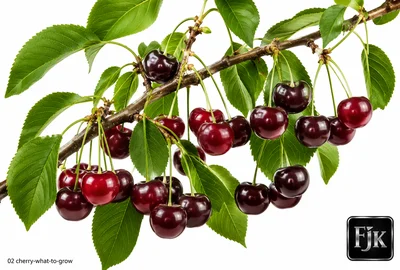
Few trees are as dramatically beautiful in blossom or as immediately rewarding to harvest from the branch. Modern self-fertile sweet cherries on Gisela 5 rootstock have transformed cherry growing — a productive tree in a 2.5m space, trained as a fan against a wall, is now achievable in most UK gardens. Acid cherries are self-fertile and uniquely tolerant of shade and north-facing walls.
02 Rootstock Guide
The rootstock controls the ultimate size of the tree. Choose it first — before the variety. All sizes below are approximate and depend on soil and management.
Cherries rootstocks
Rootstock
Size
Height
Spacing
Suitable for
Support & notes
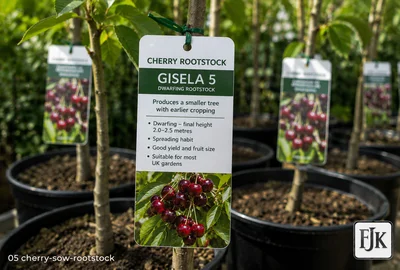
Gisela 5
Dwarfing
2.5–3m
2.5–3m
Fan · Bush · Small garden · Wall-trained
Permanent stake essential — The best choice for most gardens. Fruits from year 3–4. Needs fertile, well-drained soil and permanent staking.
Colt
Semi-vigorous
4–5m
4–5m
Bush · Half-standard · Larger garden
Stake for first 5 years — More tolerant of poorer soils than Gisela 5. Better for sites with imperfect conditions.
Gisela 6
Semi-dwarfing
3–4m
3–4m
Bush · Fan · Medium garden
Stake for 5 years — Intermediate between Gisela 5 and Colt. Good balance of size control and vigour.
Inmil (F12/1)
Vigorous
6–9m
7m+
Standard · Half-standard · Orchard
Minimal after establishment — Traditional orchard rootstock. Not suitable for small gardens. Long-lived.
Pollination groups
Group 1 — Very early flowering. Few varieties. Pollinate within group 1 or with group 2.
Group 2 — Early flowering. Pollinate with groups 1, 2, or 3.
Group 3 — Mid-season. The largest group. Pollinate with groups 2, 3, or 4.
Group 4 — Late flowering. Pollinate with groups 3 or 4.
Group SF — Self-fertile — sets a full crop without a pollinator. Most modern sweet cherries are self-fertile.
Training forms
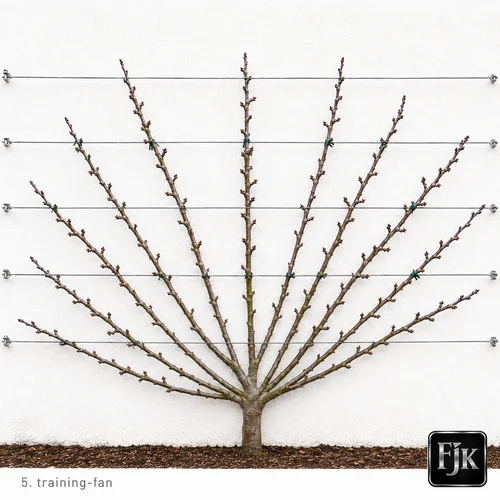
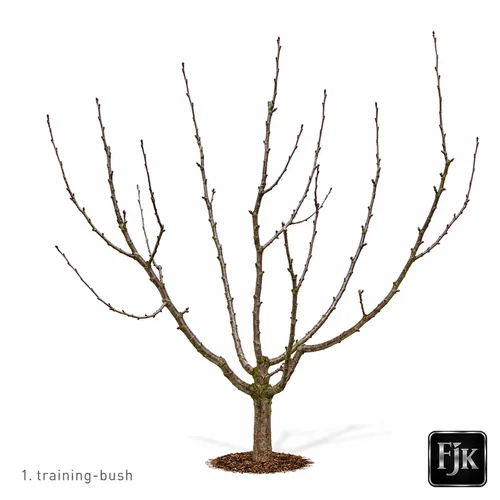
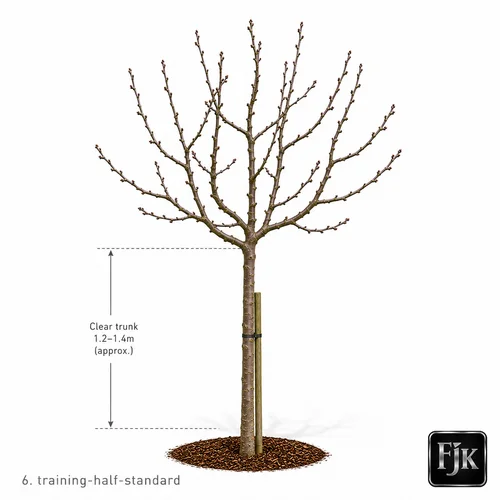
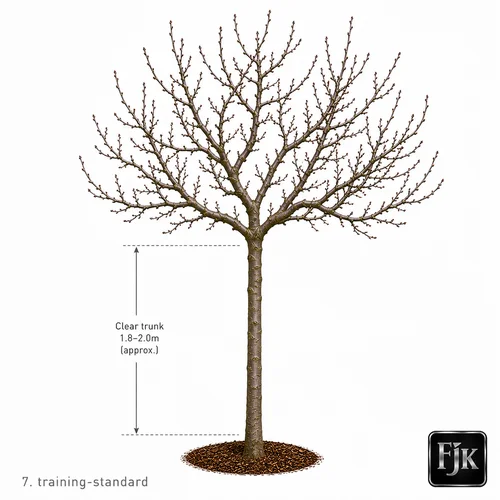
fanbushhalf-standardstandard
03 Varieties
The number of varieties shown for each crop is based on UK consumption data (2025/26) — the more popular the crop, the more variety choices we include.
Sweet — Self-fertile
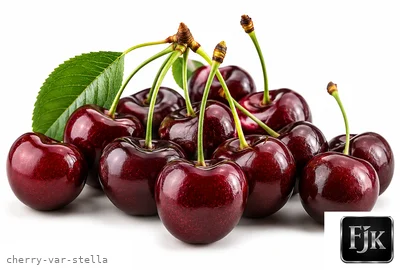
Stella
Sweet · Self-fertile · Mid
The most widely grown self-fertile sweet cherry and the standard recommendation for gardens where only one tree is possible. Very heavy crops of large, dark red-black fruit with rich, classic cherry flavour. Very reliable even in less-than-ideal summers. AGM.
Harvest
Jul
Flavour
Rich, dark, classic sweet cherry
Fruit size
Large
Yield
Very high
Disease resistance
Good
🏅 AGM
✓ Self-fertile
Group 4
🪴 Container
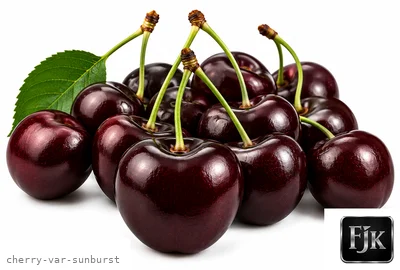
Sunburst
Sweet · Self-fertile · Mid
Large, glossy, very dark red fruit with outstanding sweet flavour. Self-fertile. More compact habit than Stella, making it slightly better suited to smaller gardens and fan training. One of the best all-round self-fertile sweet cherries for UK gardens.
Harvest
Jul
Flavour
Rich, very sweet, excellent
Fruit size
Very large
Yield
High
Disease resistance
Good
✓ Self-fertile
Group 4
🪴 Container
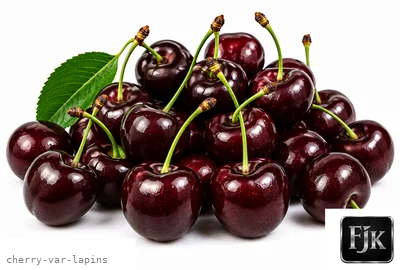
Lapins (Cherokee)
Sweet · Self-fertile · Late
A late-season self-fertile cherry extending the harvest into August. Very heavy crops of large, dark mahogany-red fruit with excellent rich flavour. Good disease resistance. Vigorous growth. AGM. An excellent choice for extending the cherry season beyond the main July flush.
Harvest
Jul–Aug
Flavour
Very sweet, rich, excellent
Fruit size
Large
Yield
Very high
Disease resistance
Very good
🏅 AGM
✓ Self-fertile
Group 4
Sweet — Pollinated
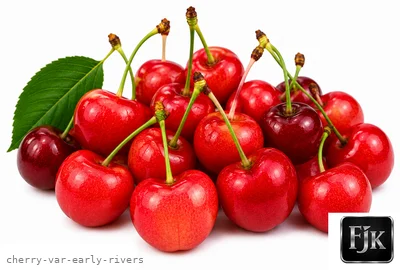
Early Rivers
Sweet · Early
One of the very earliest sweet cherries — ripening in June. Pale red to dark red fruit with exceptional fragrant, sweet flavour quite different from dark-fruited varieties. Needs a pollinator from group 2. Among the finest-flavoured sweet cherries available. A heritage variety with no modern equal for early-season quality.
Harvest
Jun
Flavour
Outstanding — pale red, sweet, fragrant
Fruit size
Large
Yield
High
Disease resistance
Moderate
Group 2
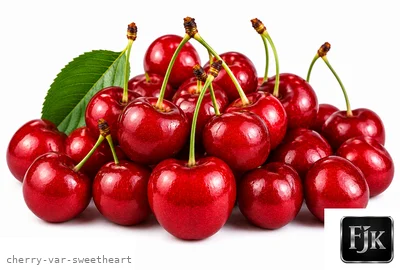
Sweetheart
Sweet · Self-fertile · Very late
One of the latest-ripening sweet cherries — extending the season well into August. Very sweet, mild-flavoured fruit. Self-fertile. Compact habit suitable for fan training. AGM. Valuable for extending the cherry season beyond most other varieties.
Harvest
Aug
Flavour
Very sweet, rich, mild
Fruit size
Large
Yield
High
Disease resistance
Good
🏅 AGM
✓ Self-fertile
Group 4
🪴 Container
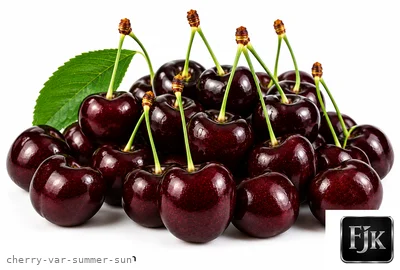
Summer Sun
Sweet · Self-fertile · Mid
A newer self-fertile variety with outstanding disease resistance and very good flavour. Dark red, large berries with rich sweetness. Good compact habit for fan training. AGM. Increasingly popular as a reliable, disease-resistant alternative to Stella in gardens where disease has been a problem.
Harvest
Jul
Flavour
Very sweet, rich, excellent
Fruit size
Large
Yield
High
Disease resistance
Very good
🏅 AGM
✓ Self-fertile
Group 4
🪴 Container
Acid / Morello
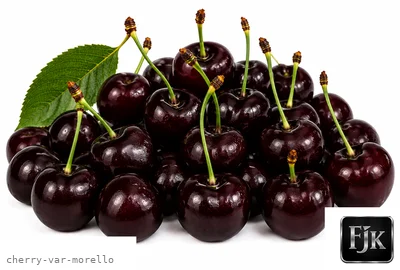
Morello
Acid · Self-fertile
The premier acid cherry for cooking, jam, and preserves. Intensely flavoured, sour when raw, outstanding when cooked with sugar. Self-fertile. Uniquely tolerant of north-facing walls and part-shade — the most useful cherry for difficult sites. AGM. Produces abundant crops reliably every year.
Harvest
Jul–Aug
Flavour
Sharp, intensely cherry, outstanding for cooking
Fruit size
Medium
Yield
Very high
Disease resistance
Very good
🏅 AGM
✓ Self-fertile
Group 4
🪴 Container
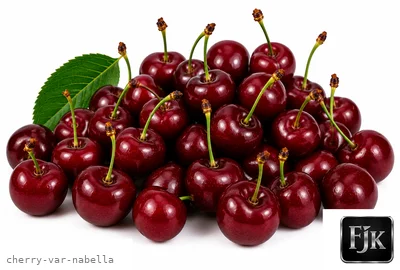
Nabella
Acid · Self-fertile
A later-ripening acid cherry producing larger, darker fruit than Morello with equally good cooking quality. Self-fertile. Good for north walls and semi-shade. Useful for extending the acid cherry season into August after Morello has finished.
Harvest
Aug
Flavour
Sharp, rich, complex
Fruit size
Large
Yield
High
Disease resistance
Good
✓ Self-fertile
Group 4
🪴 Container
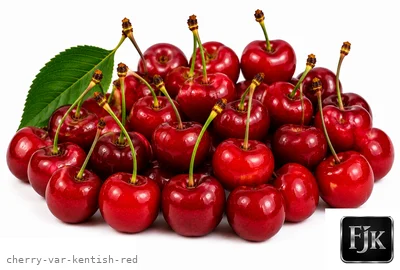
Kentish Red
Acid/Semi-sweet · Self-fertile
A semi-acid variety bridging sweet and acid cherries — edible fresh but tarter than sweet varieties, and excellent for cooking. Self-fertile. Good tolerance of less-than-ideal sites. A traditional English variety with a long history in Kent orchards.
Harvest
Jul
Flavour
Tart-sweet, pleasant eaten fresh
Fruit size
Medium
Yield
High
Disease resistance
Good
✓ Self-fertile
Group 3
04 Planting Options
🌿 Fan-trained Against a Wall (Recommended)
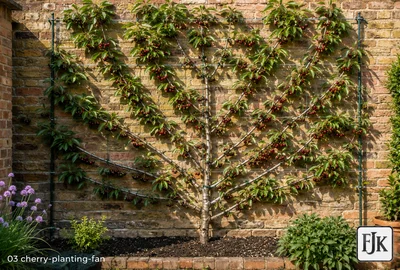
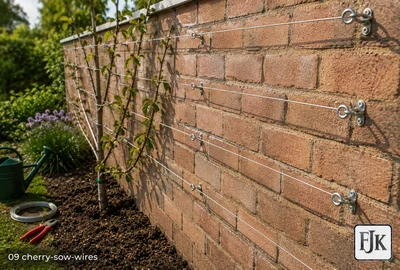
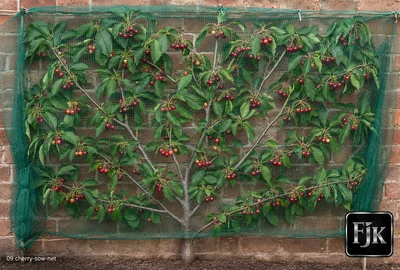
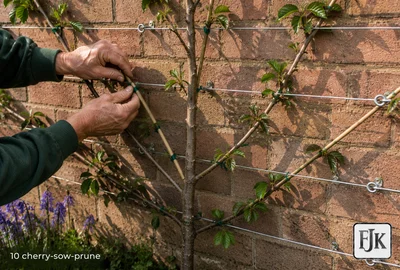
A fan trained against a warm wall is the most reliable way to grow cherries in most UK gardens, since the wall's reflected heat improves ripening and the flat form makes netting against birds far more practical than on a full-sized tree. Fix horizontal wires at 40cm intervals before planting, and choose a tree on Gisela 5 rootstock — the dwarfing effect combined with wall training keeps growth manageable. Plant 20-30cm from the wall base, leaning the young tree in at 45 degrees to begin training the fan shape, and water generously through the first summer, since wall-trained trees sit in a permanent rain shadow. Netting from the moment fruit begins to colour is the single most important step — an unprotected cherry crop can be lost to blackbirds within a day.
Fix wires before planting
Fix horizontal wires at 40cm intervals from 40cm to 1.8–2m above the wall. A fan-trained cherry fills a space 3–4m wide and 2m high over 5–6 years. Allow adequate width at planting time.
Choose Gisela 5 rootstock
Fan-trained cherries should almost always be on Gisela 5. The dwarfing effect, combined with wall warmth, produces early fruiting and manageable growth. Colt on a wall produces excessive vigour that is very difficult to contain.
Plant 20–30cm from the wall base
Plant at least 20cm from the wall base where soil moisture is more reliable. Lean the tree at 45 degrees toward the wall, tie the main stem to a cane attached to the wires, and spread the developing framework branches to the sides as they grow.
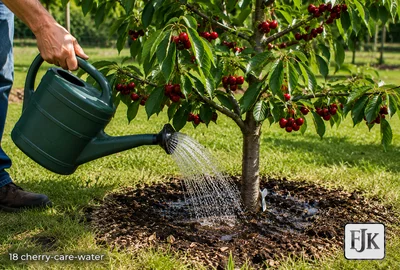
Mulch and water well in first summer
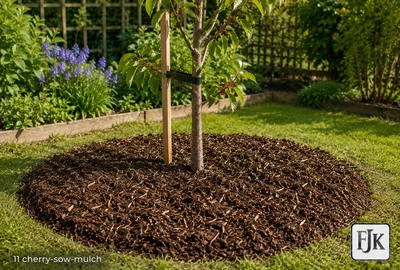
Wall-trained trees in the drip shadow of a wall can suffer drought even in moderate summers. Apply a generous mulch and water during dry spells in the first 2 years. Cherries on Gisela 5 have a limited root system and are more drought-sensitive than more vigorous rootstocks.
Net from fruit set
The most important management step. Net the fan against birds from the moment fruit begins to colour. A frame over which netting is draped is ideal. Without netting, the entire crop will be taken by blackbirds and starlings within a day of colouring.
🌳 As a Free-standing Bush
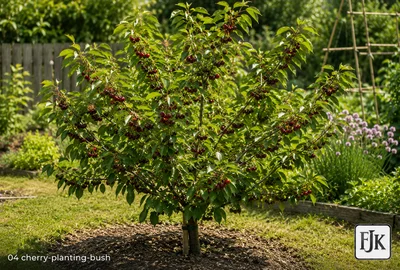
Cherries on Gisela 5 rootstock also make a good free-standing bush where wall space isn't available, though they need excellent drainage — the roots are particularly prone to suffocating and the whole tree can die suddenly in waterlogged ground. Plant on a permanent stake, since the restricted root system of a dwarfing rootstock never anchors the tree fully on its own. In the first July after planting, shorten the central leader and main framework branches by around a third to build an open, goblet-shaped crown that lets light and air reach the ripening fruit.
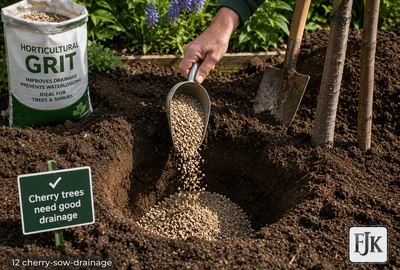
Prepare with good drainage
Cherries are particularly sensitive to waterlogging — the roots suffocate and the tree dies suddenly. Ensure excellent drainage at planting. On heavy clay, plant onto a slight mound or install drainage before planting.
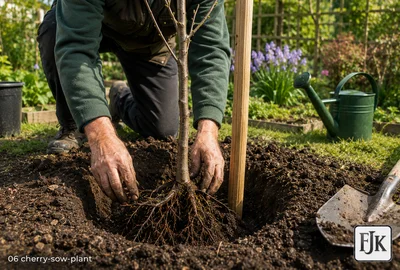
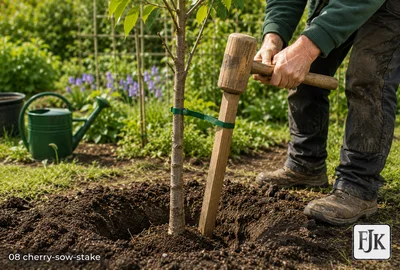
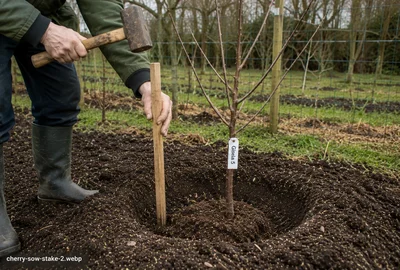
Plant and stake permanently
Cherries on Gisela 5 must be permanently staked throughout their entire life — the root system is not vigorous enough to anchor the tree without support. Drive the stake in at planting and check the tie annually.
Open goblet formative pruning
In July after planting, shorten the central leader and the main framework branches by a third. Aim to develop an open, goblet-shaped tree with a clear centre for airflow — this reduces disease pressure significantly.
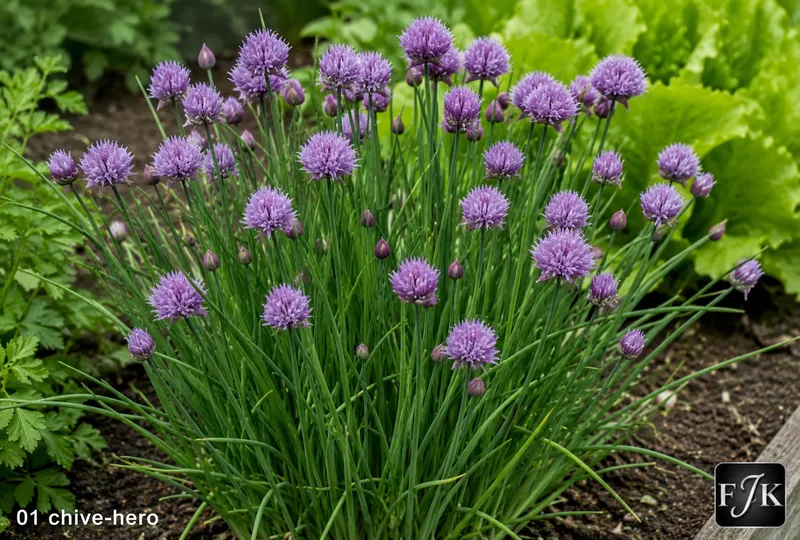
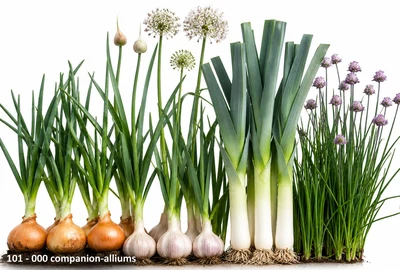
A mild allium companion said to help deter aphids and other pests with its strong scent.
🧄 Alliums
Onion-family plants grown nearby are thought to help deter pests with their strong scent.
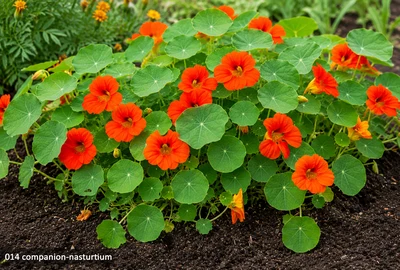
🌸 Nasturtium
Acts as a trap crop for aphids, drawing pests away from the main plant.
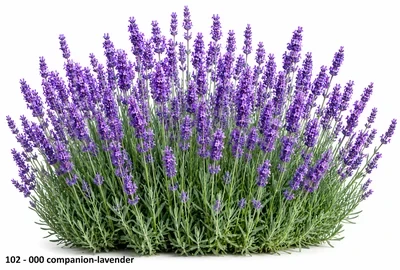
💜 Lavender
Attracts pollinators and adds a decorative, low-maintenance border nearby.
06 Sowing — How To
Buy self-fertile or plan pollinators
Confirm self-fertility of chosen variety before purchasing. Stella, Sunburst, Lapins, Sweetheart, and Summer Sun are all self-fertile. Non-self-fertile varieties need a compatible partner in the same flowering group within 50m.
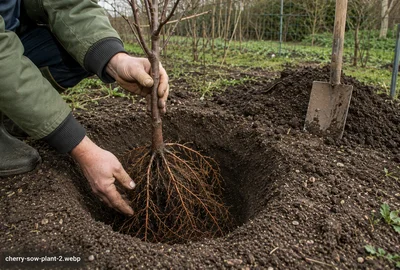
Plant Nov–Mar in dormancy
Plant any time while dormant. November to February is ideal. Always plant with the graft union 10–15cm above soil level.
Permanent stake from day one
Install the stake at planting. On Gisela 5, the stake is not temporary — it is a permanent feature for the life of the tree.
Regional sowing timing
Region
Sow / plant
Harvest
Notes
Scotland & Far North
Nov–Mar
Jun–Jul
Northern England
Nov–Mar
Jun–Jul
Midlands & Wales
Nov–Mar
Jun–Aug
Ireland & Isle of Man
Nov–Mar
Jun–Jul
South & SE England
Nov–Mar
Jun–Aug
South Coast & SW
Nov–Mar
Jun–Aug
07 Using a Propagator
Cherries are grafted by specialist nurseries onto chosen rootstocks. Home propagation is not practical. Trees are most often bought container-grown, ready to plant at any time of year — bare-root plants are also available in winter from specialist fruit nurseries, but container-grown is now the standard, more forgiving route for most gardeners.
Heated propagator
Not Applicable — Purchase bare-root or container-grown trees from specialist fruit nurseries.
Choose type first
Decide between sweet cherry (full sun, warm site, fruit for eating) and acid cherry (tolerates shade, north wall, fruit for cooking/preserves). This decision dictates site and variety choices.
Confirm rootstock
Gisela 5 for most gardens. Colt for less fertile soils or slightly larger trees. Confirm rootstock is clearly labelled when purchasing.
08 Soil Requirements
pH
6.0–7.5
Best
Sandy loam, Loam
Tolerates
Clay loam
Avoid
Waterlogged, Heavy clay, Chalk
💡 Free-draining soil essential. Fan train against a warm wall on poor soils.
09 Ongoing Care
✂️ Summer Pruning ONLY
The most important rule for cherries: prune only in summer, never in winter. Winter pruning wounds on cherries cannot callus over quickly enough to exclude bacterial canker and silver leaf disease spores, which are most active in cool, wet conditions. All pruning — including formative pruning, thinning of crowded branches, and removal of dead wood — must be done in July or August when the tree is in full leaf and wounds can begin healing immediately. Paint all cuts larger than 2cm diameter with a wound sealant. Fan-trained cherries also require summer pinching-back of sideshoots to 6 leaves in June, with a second reduction to 3 leaves after harvest.
🐦 Bird Protection
Birds — starlings, blackbirds, and wood pigeons — are the single greatest threat to the cherry crop. An unprotected tree can be stripped bare in a single morning. Net the tree from the moment the first fruit begins to colour (typically mid-June). Fan-trained trees against a wall are far easier to net than free-standing trees — drape netting over a simple timber or wire frame fixed to the wall and secure at the base. Free-standing bush trees on Gisela 5 can be netted over hoops. Without protection, expect to harvest nothing.
💧 Watering
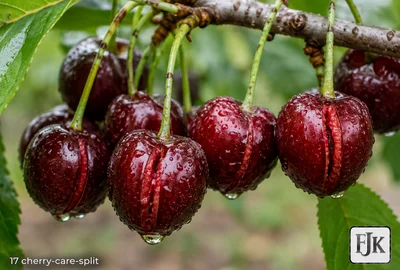
Cherries on Gisela 5 have a limited root system and are more sensitive to drought than trees on more vigorous rootstocks. Water regularly from fruit set (April) to harvest (July) during dry spells — inconsistent watering causes fruit splitting, where the skin cracks as the flesh swells rapidly after rain following a dry period. This is a particular problem with cherries. Mulch generously to even out soil moisture. Wall-trained trees in the drip shadow of the wall are particularly drought-prone and may need watering even in moderate summers.
🍒 Fruit Splitting Prevention
Cherry skin splitting occurs when the tree takes up water rapidly (after rain or irrigation) following a dry period, causing the flesh to expand faster than the skin can accommodate. The result is cracked, unusable fruit. Prevention is primarily through consistent watering and mulching to avoid wide swings in soil moisture. Fan-trained trees against a wall can also have the fruit protected by draping polythene sheeting loosely over the crop during expected rainfall in the final 2 weeks before harvest — this is a technique used commercially and works very effectively.
10 Watch Out For
Warning
Silver leaf disease causes a silvery sheen on leaves and eventual branch death — enter only through pruning wounds, so summer-only pruning is the primary prevention. Bacterial canker produces sunken, oozing lesions on bark and cankers on shoots — remove affected wood to clean tissue in summer. Cherry blackfly (black aphid) colonises shoot tips in April–May — treat with soap spray or encourage natural predators. Birds strip the entire crop within hours of colour developing — net without fail.
🐛 Insects & pests
🟤 Scale Insect — Small brown or grey bumps on stems, branches, and the underside of leaves — the scale covers themselves
🐜 Aphids (Blackfly & Greenfly) — Curled, distorted, or stunted growing tips — aphids inject saliva that causes leaf curl to protect them
🌀 Tortrix Moth — Leaves rolled or tied together with fine silk threads — the caterpillar shelter; unfold carefully to reveal the pest
🍄 Diseases to watch
🌿 Bacterial Canker — Bacterial canker (Pseudomonas syringae pv. morsprunorum) is the most serious disease of stone fruit trees in the UK. It kills whole branches and can destroy a young tree in 2–3 years if unchecked. The bacteria enter through winter pruning wounds, leaf scars, and bud scale scars — which is why pruning stone fruit in winter is so dangerous.
Full identification and treatment advice is in the Pests and Diseases sections.
11 Storage & Preserving
🍒 Fresh (Use Within Days)
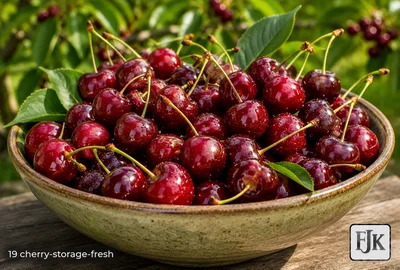
Cherries do not store well — even refrigerated, they deteriorate noticeably within 3–5 days. Pick with the stalk attached to extend storage life. Do not wash until ready to eat. Refrigerate in a shallow layer. The best approach is to pick and eat the same day — a cherry eaten warm from the tree in July is one of the finest experiences the kitchen garden offers.
🫙 Jam, Compote & Kirsch Cherries
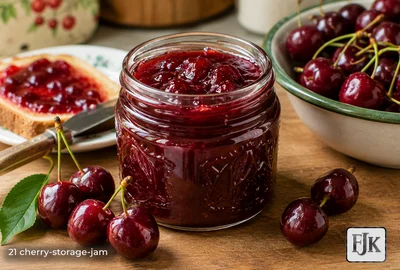
Morello (acid) cherries are exceptional for jam — their high acid gives an excellent flavour. Cherries in brandy or kirsch make a luxury preserve. Cherry compote frozen in portions provides outstanding dessert material through winter. Follow a tested recipe.
❄️ Frozen
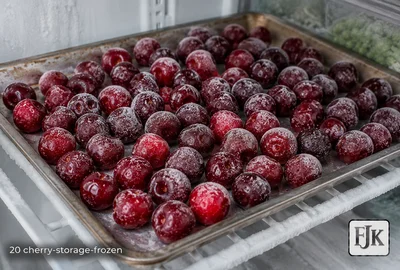
Stone cherries before freezing (a cherry stoner makes this fast). Open freeze on a tray until solid, then bag. Frozen cherries are excellent in baking, smoothies, and compotes. Morello cherries particularly benefit from freezing — the acidity mellows slightly, making them more versatile for cooking.
12 Expert Tips
💡 Morello for difficult sites
Morello acid cherry is self-fertile, tolerates a north or east-facing wall, and thrives in part-shade conditions where no sweet cherry would succeed. Its fruit is outstanding for jam, cooking, and preserves. If you have a north wall, a Morello fan is one of the most productive uses of that space in the entire garden.
💡 Fan training pays back quickly
A fan-trained cherry on Gisela 5 against a south wall fruits from year 3–4, is easily protected from birds with a simple frame, and uses wall space productively. The formative training takes 3–4 years but produces a tree structure that crops reliably for 30+ years.
💡 Pick before fully ripe
Sweet cherries develop their best flavour 5–7 days before they appear fully ripe. Pick when colour is fully developed but fruit is still slightly firm — the sugars are at their peak and the texture is perfect. Waiting until cherries are very soft means competing with birds for over-ripe fruit.