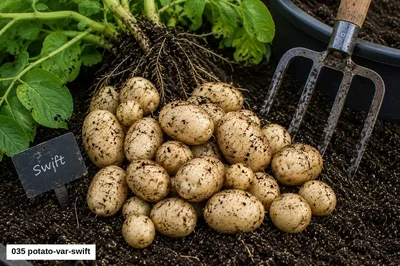
Swift
First Early
The earliest of all — harvests as soon as 60 days. Small oval waxy tubers with excellent fresh flavour. Ideal for containers.
- Outdoors
- Container
- Beginners
Solanum tuberosum
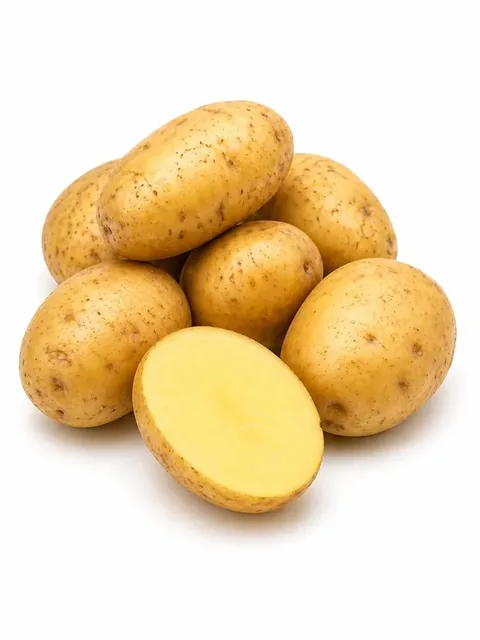
Britain's most beloved crop. Grow your own and you'll never go back — the flavour difference between homegrown and shop-bought is remarkable. There is a variety for every use: waxy salad types that hold together, floury bakers that collapse into fluffiness, and richly flavoured heritage types that supermarkets never stock.
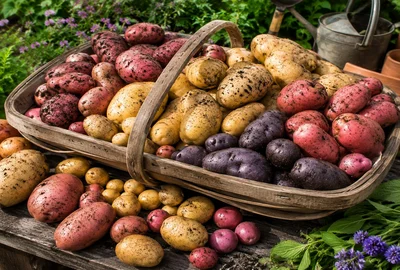
Potatoes fall into four groups — First Earlies, Second Earlies, Maincrop, and Salad types — each with different harvest timing and uses. First Earlies are fastest: 60–80 days from planting to new potato heaven. Maincrops take longest but give the biggest yields and store well. Salad types are waxy, thin-skinned and best eaten fresh. Choosing the right type for your soil, space, and kitchen use makes all the difference.
The number of varieties shown for each crop is based on UK consumption data (2025/26) — the more popular the crop, the more variety choices we include.
Harvest Jun–Jul. Fastest crop — 60–80 days. New potato flavour at its freshest. Ideal for containers and potato bags.
The earliest of all — harvests as soon as 60 days. Small oval waxy tubers with excellent fresh flavour. Ideal for containers.
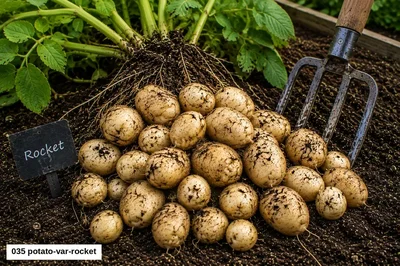
Exceptional speed and reliability. Round white-skinned tubers with creamy flesh. Very popular in UK allotments.
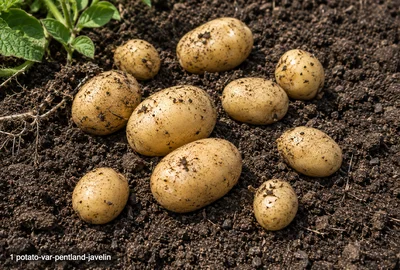
Classic Scottish first early with white skin, waxy flesh and clean flavour. Good resistance to scab.
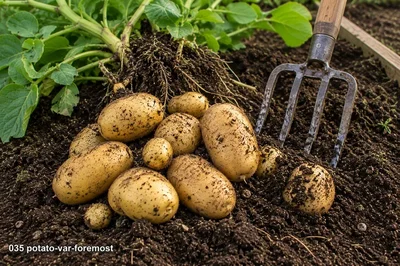
Long-established reliable first early. Pale skin, waxy flesh, excellent flavour. Steady yields.
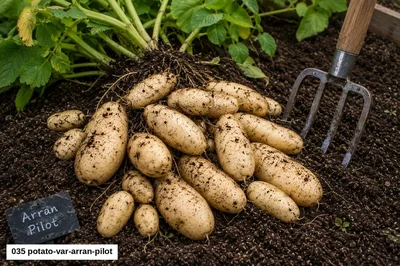
The classic Scottish first early. Long oval waxy tubers with smooth white skin and clean flavour. A staple of UK allotments for over a century.
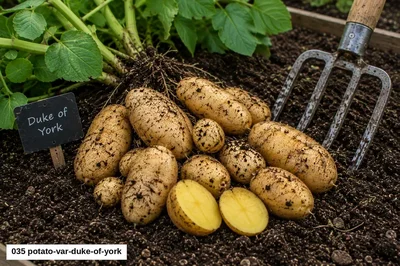
Heritage first early with golden-yellow waxy flesh and outstanding buttery flavour. Kidney-shaped tubers — one of the oldest named varieties still grown.
Harvest Jul–Aug. Versatile — waxy enough for salads, substantial enough for boiling. Good for most growing situations.
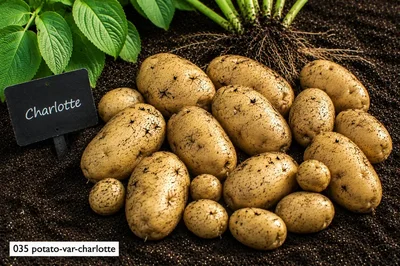
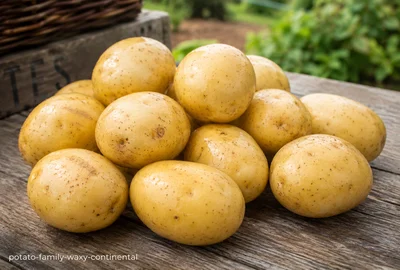
The most popular salad potato in the UK. Waxy yellow flesh, nutty flavour, superb boiled or in salads. Reliable and prolific.
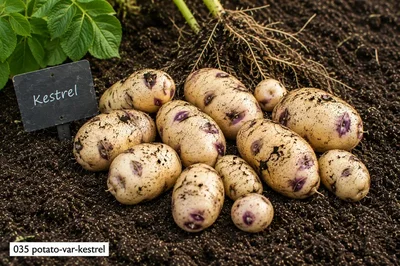
Striking purple-eyed tubers with white skin. Versatile — boils, bakes and chips well. Strong disease resistance.
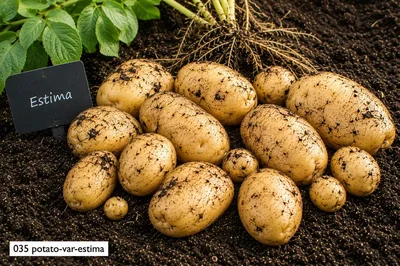
Large oval tubers with light yellow flesh. Reliable heavy cropper. Excellent baked or boiled.
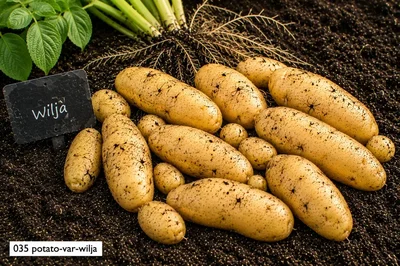
Long oval yellow-fleshed tubers with good flavour. Very reliable in wet conditions. Good resistance to blight.
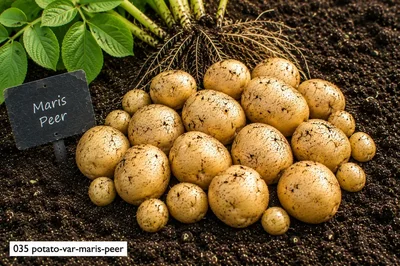
Compact round tubers with firm waxy flesh. Holds shape perfectly when boiled — ideal for salads and new potatoes. Very consistent yields.
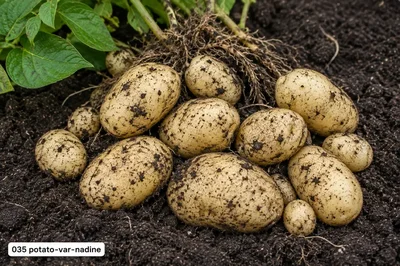
Smooth white-skinned tubers with firm waxy flesh. Reliable heavy cropper with good disease resistance. Stores reasonably well for a second early.
Harvest Aug–Oct. Largest yields and best for storage. Includes the classic bakers, chippers and mash potatoes.
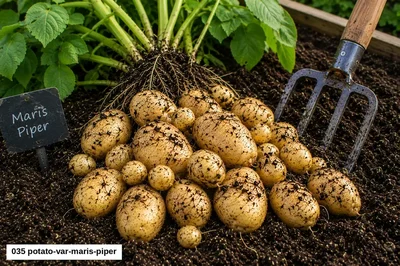
The nation's favourite for chips, mash and roasts. Floury white flesh, heavy yields, superb flavour. The benchmark maincrop.
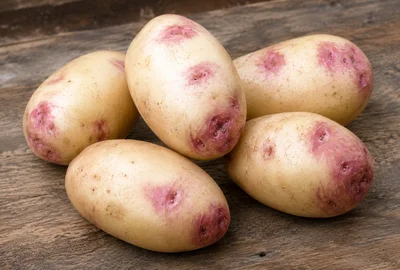
The classic roast potato. Floury, dry-textured flesh with red-tinged skin. Outstanding flavour. A British institution.
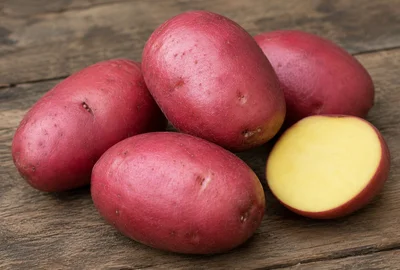
Red-skinned with yellow waxy flesh. Versatile — chips, boils, roasts and mashes. Good drought tolerance.
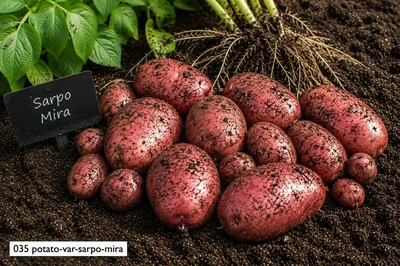
Exceptional blight resistance — the best choice for organic growers or wet summers. Red skin, floury flesh, heavy yields.
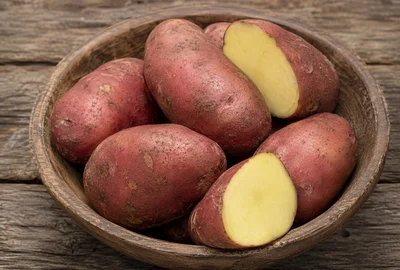
Distinctive deep red skin with fluffy yellow flesh. Excellent for chips, roasts and mash. Heavy cropper with outstanding blight resistance. Ireland's most popular potato.
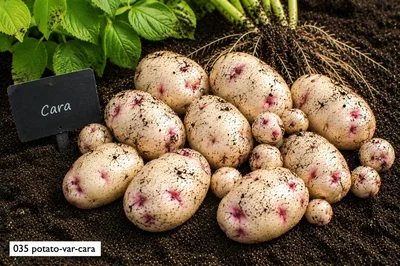
Large round tubers with white skin and distinctive pink eye markings. Mild flavour, very versatile. Excellent resistance to blight and eelworm.
Waxy, firm-fleshed varieties that hold their shape when cooked. Best eaten fresh — store poorly but taste extraordinary.
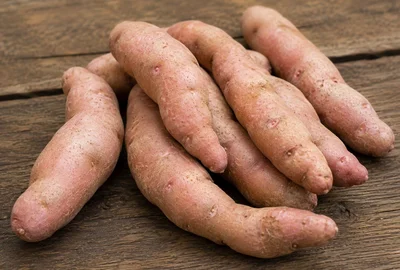
Knobbly nutty fingerling with waxy yellow flesh and outstanding flavour. A cross between Desiree and Pink Fir Apple.
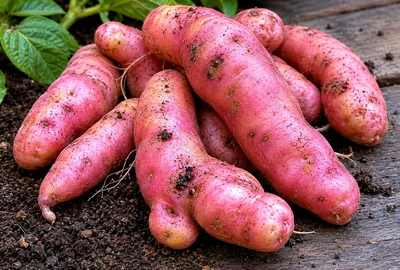
The aristocrat of salad potatoes. Knobbly, irregular, waxy and intensely nutty. Eat hot or cold — spectacular either way.
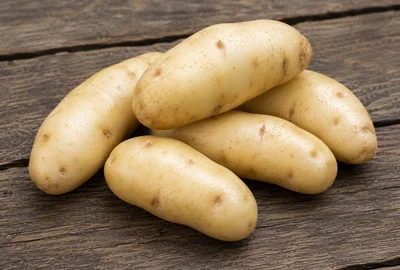
French fingerling with rich buttery flavour. Beloved by chefs. Small elongated tubers with firm yellow flesh.
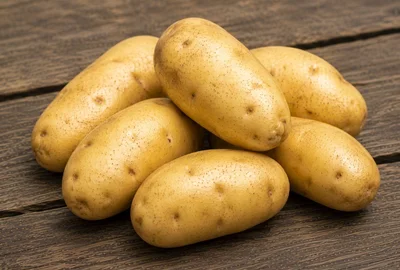
German salad variety with consistently excellent flavour. Long oval tubers, golden skin, firm waxy flesh. Very reliable.
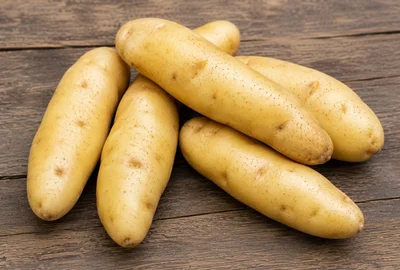
The aristocrat of French salad potatoes. Slender oval tubers with golden waxy flesh and a refined buttery flavour. Beloved by chefs.
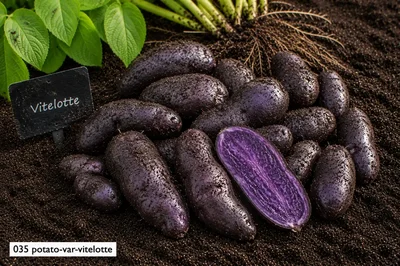
Stunning heritage fingerling with deep purple-black skin and vivid violet flesh throughout. Nutty earthy flavour. A spectacular talking point.
Blight-resistant and novelty varieties with striking skin colour, prized for their distinctiveness and reliability.
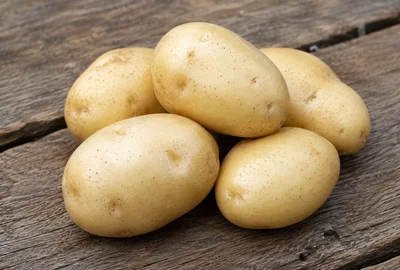
A smooth-skinned first early with outstanding blight resistance and excellent flavour. Clean, bright white skin and waxy flesh. One of the best organic and low-spray potato choices for UK growers.
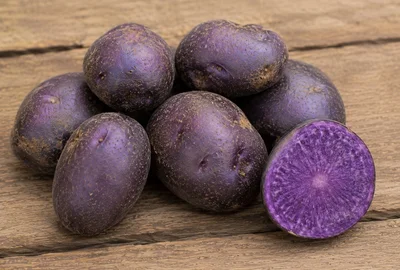
Striking round tubers with deep blue-purple skin and vivid violet-blue flesh throughout. A 19th-century Scottish heritage variety. Nutty, earthy flavour. Holds colour when cooked in the skin.
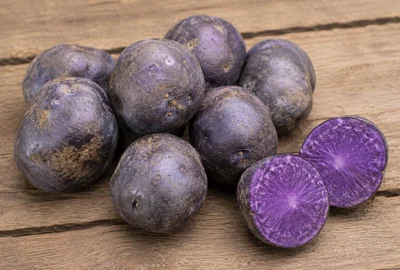
Deep purple skin and vivid purple-blue flesh. Very high anthocyanin antioxidant content. Firm, waxy texture. Excellent roasted or boiled — holds its colour well when cooked.
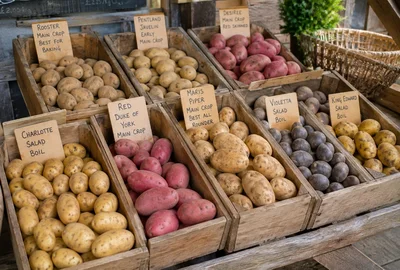
Seed potatoes arrive from specialist suppliers Jan–Mar, and from most garden centres from Feb onwards. Always buy certified disease-free seed potatoes — never plant supermarket tubers, which may carry disease and are often treated to suppress sprouting. Order early: popular varieties sell out fast.
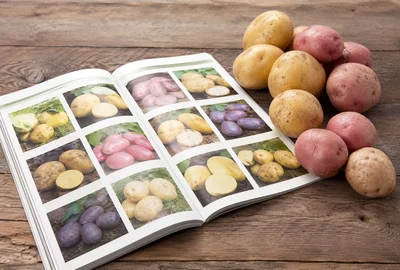
The widest range — hundreds of varieties. Order Jan–Feb for delivery in Feb–Mar. Popular first earlies and salad types sell out early.
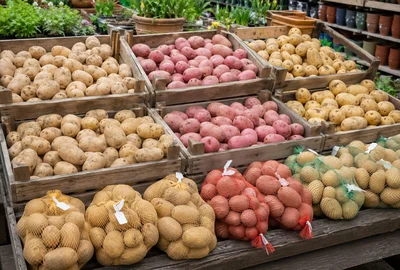
Convenient. Stocks from February. Main varieties only — buy early before sellout.
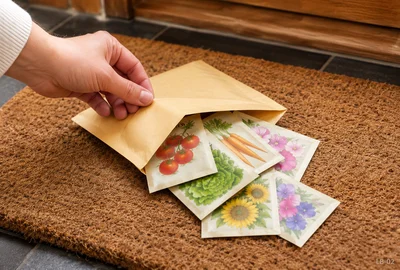
Potato Day events in Jan–Feb offer dozens of heritage varieties at minimal cost. An excellent source for Pink Fir Apple, Ratte, and unusual heritage types.
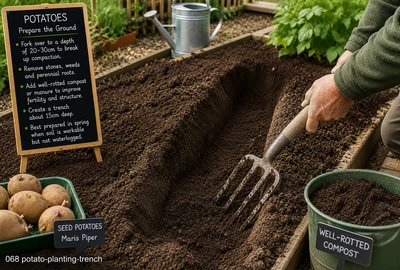
The traditional method and highest-yielding. Dig trenches 10–15cm deep, enrich with compost, plant sets 30cm apart (earlies) or 40cm (maincrop) with shoots upward. Earth up as foliage grows.
Suitable varieties: All varieties — especially maincrops for maximum yield.
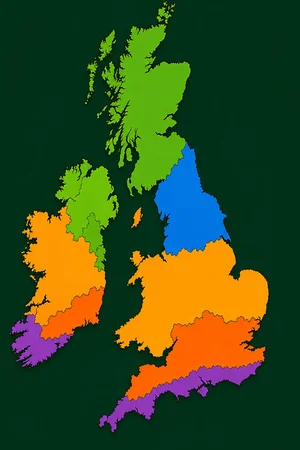
| Region | Sow / plant | Harvest | Notes |
|---|---|---|---|
| Scotland & Far North | Chit Feb–Mar · Apr–May · Earth up May–Jul | Jul–Oct | Late Apr–early May |
| Northern England | Chit Jan–Feb · Mar–Apr · Earth up Apr–Jun | Jun–Oct | Late Mar–mid Apr |
| Midlands & Wales | Chit Jan–Feb · Mar–Apr · Earth up Apr–Jun | Jun–Oct | Mid Mar–mid Apr |
| Ireland & Isle of Man | Chit Jan–Feb · Mar–Apr · Earth up Apr–Jun | Jun–Oct | Mid Mar–mid Apr |
| South & SE England | Chit Jan · Feb–Apr · Earth up Apr–Jun | Jun–Oct | Early–mid Mar |
| South Coast & SW | Chit Jan · Feb–Mar · Earth up Mar–May | May–Oct | Late Feb–mid Mar |
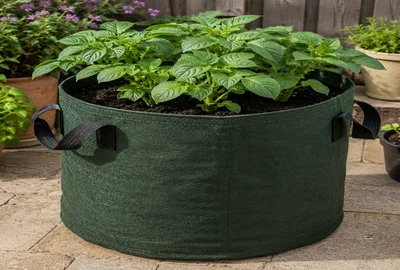
Grow 3 sets in a 40–50 litre potato bag. Fill one-third with compost, plant sets, cover and add compost as shoots grow. Excellent on patios. Harvest by tipping the bag.
Suitable varieties: First and second earlies — Swift, Charlotte, Rocket, Kestrel.
| Region | Sow / plant | Harvest | Notes |
|---|---|---|---|
| Scotland & Far North | Chit Feb–Mar · Apr–May · Earth up May–Jul | Jul–Aug | Late Apr–early May |
| Northern England | Chit Jan–Feb · Mar–Apr · Earth up Apr–Jun | Jun–Aug | Late Mar–mid Apr |
| Midlands & Wales | Chit Jan–Feb · Mar–Apr · Earth up Apr–Jun | May–Aug | Mid Mar–mid Apr |
| Ireland & Isle of Man | Chit Jan–Feb · Mar–Apr · Earth up Apr–Jun | May–Aug | Mid Mar–mid Apr |
| South & SE England | Chit Jan · Feb–Apr · Earth up Apr–Jun | May–Aug | Early–mid Mar |
| South Coast & SW | Chit Jan · Feb–Mar · Earth up Mar–May | May–Aug | Late Feb–mid Mar |
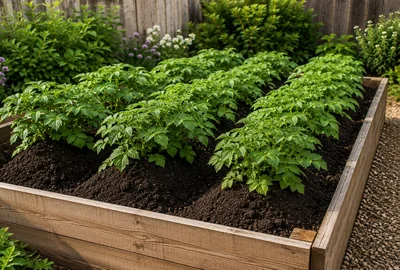
Raised beds give excellent drainage — critical for potatoes. Plant as per open ground. Earthing up is easier with loose raised-bed compost. Perfect for smaller gardens.
Suitable varieties: First and second earlies. Salad types do particularly well.
| Region | Sow / plant | Harvest | Notes |
|---|---|---|---|
| Scotland & Far North | Chit Feb–Mar · Apr–May · Earth up May–Jul | Jul–Aug | Late Apr–early May |
| Northern England | Chit Jan–Feb · Mar–Apr · Earth up Apr–Jun | Jun–Aug | Late Mar–mid Apr |
| Midlands & Wales | Chit Jan–Feb · Mar–Apr · Earth up Apr–Jun | May–Aug | Mid Mar–mid Apr |
| Ireland & Isle of Man | Chit Jan–Feb · Mar–Apr · Earth up Apr–Jun | May–Aug | Mid Mar–mid Apr |
| South & SE England | Chit Jan · Feb–Apr · Earth up Apr–Jun | May–Aug | Early–mid Mar |
| South Coast & SW | Chit Jan · Feb–Mar · Earth up Mar–May | May–Aug | Late Feb–mid Mar |
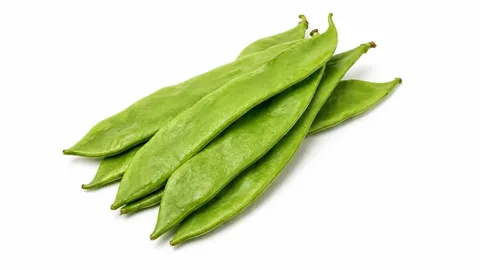
Legumes fix nitrogen that benefits potato growth. Runner beans and French beans are good rotation predecessors or adjacent-bed companions. The shade from tall beans also reduces slug pressure on emerging potato shoots.

Calendula (pot marigold) attracts beneficial insects including hoverflies whose larvae eat aphids. A reliable flowering companion for the vegetable garden that benefits potatoes and neighbouring crops.
Potatoes begin life not as seeds but as seed tubers — small certified potato sets that are chitted (pre-sprouted) before planting. Chitting gives the crop a 2–3 week head start and improves yields significantly. It is the single most worthwhile preparation step.
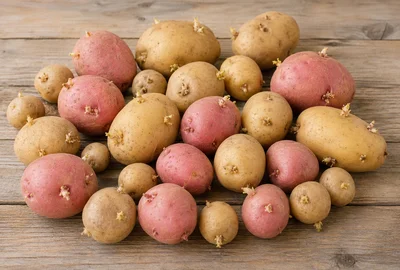
Buy certified disease-free seed potatoes from a reputable supplier. Choose sets around the size of a hen's egg — larger ones can be cut in half but leave to dry for 24 hours before planting.
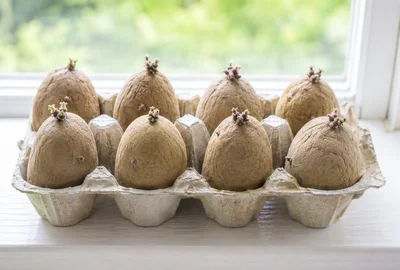
Stand tubers rose-end up (the end with most eyes) in egg boxes or seed trays. Place in a cool, light, frost-free location — a cool windowsill or unheated spare room is ideal.
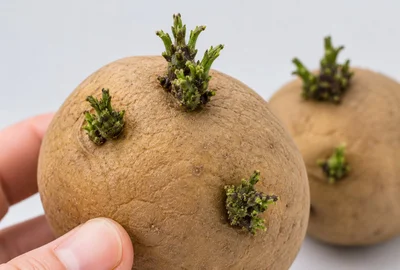
Chit from Jan–Feb for a 2–3 week head start. Aim for short, stubby, dark green shoots (1–2cm). Pale, leggy shoots in the dark are worthless — light is essential.
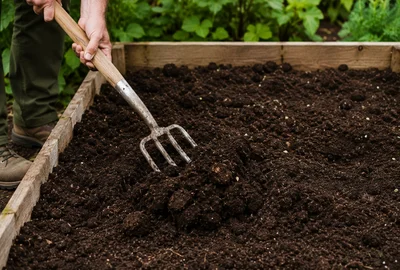
Dig in plenty of well-rotted compost or manure. Potatoes thrive in rich, loose, well-drained soil. Avoid freshly limed ground — it encourages scab.
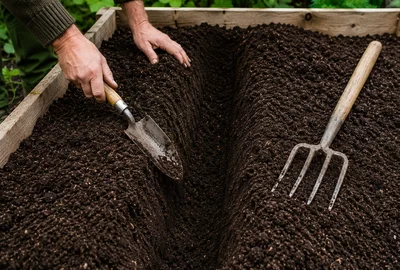
Dig rows 10–15cm deep. Space rows 60cm apart for earlies, 75cm for maincrop. A rope or cane keeps rows straight and makes earthing up easier.
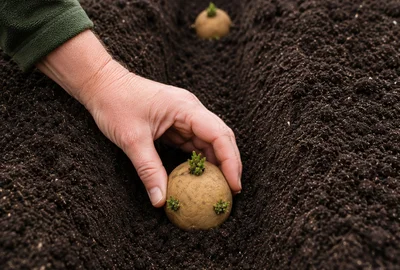
Set chitted tubers shoot-side up, 30cm apart (earlies) or 40cm (maincrop). Handle sprouts carefully — they snap off easily. Cover gently with soil.
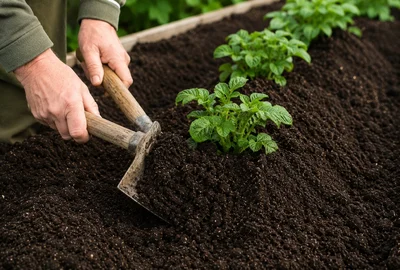
As shoots appear, draw soil up around them to leave just 5–8cm of foliage showing. Repeat every 2–3 weeks. This protects against frost, encourages more tubers and prevents greening.
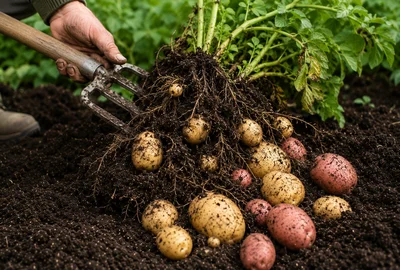
Watch for blight in warm humid spells. First earlies are ready when flowers open — lift a test plant. Maincrop: allow foliage to die back naturally, then lift on a dry day.
| Region | Sow / plant | Harvest | Notes |
|---|---|---|---|
| Scotland & Far North | Apr–May | Jun–Oct | Frost risk until late May. Fleece protection may be needed after planting. · Late Apr–early May |
| Northern England | Mar–Apr | Jun–Oct | Earth up well — late frosts possible until early May. · Late Mar–mid Apr |
| Midlands & Wales | Mar–Apr | Jun–Oct | Good conditions from mid-March. Maincrop can go in from late March. · Mid Mar–mid Apr |
| Ireland & Isle of Man | Mar–Apr | Jun–Oct | Good conditions from mid-March. Maincrop can go in from late March. · Mid Mar–mid Apr |
| South & SE England | Feb–Apr | Jun–Oct | Earliest planting dates in mainland UK. · Early–mid Mar |
| South Coast & SW | Feb–Mar | May–Oct | First earlies can go in Feb in mild years — watch frost forecasts. · Late Feb–mid Mar |
Potatoes are grown from seed tubers (sets), not from seed, so a propagator is not part of the process. The equivalent of propagation for potatoes is chitting — standing the tubers rose-end up in egg boxes or seed trays in a cool, light, frost-free spot for 4–6 weeks before planting. A cool windowsill, unheated spare room, or porch is ideal. The goal is short, dark green stubby sprouts 1–2cm long.
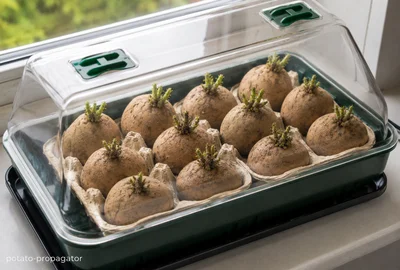
Not applicable — potatoes are chitted, not germinated in heat. Warmth during chitting produces weak, drawn sprouts. A cool, bright, frost-free spot (7–10°C) is ideal for chitting.
Not applicable in the propagator sense. The closest equivalent is chitting on a cool, bright windowsill or in an unheated spare room at around 7–10°C with good light. This produces the short, sturdy dark-green sprouts that give the best results at planting.
Standard unheated propagator — A lidded seed tray traps warmth and humidity around germinating seeds without electricity. Performance depends entirely on room temperature — best placed on a warm windowsill and used from March onwards. Replace the lid promptly after watering. Remove it completely the moment seedlings emerge to prevent damping off.
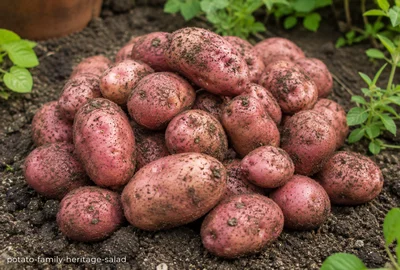
Earth up regularly as shoots grow — draw soil around the stems to leave just 5–8cm of foliage showing. Repeat every 2–3 weeks. This protects against frost, encourages more tubers to form along the buried stem, and prevents tubers near the surface from turning green and toxic.
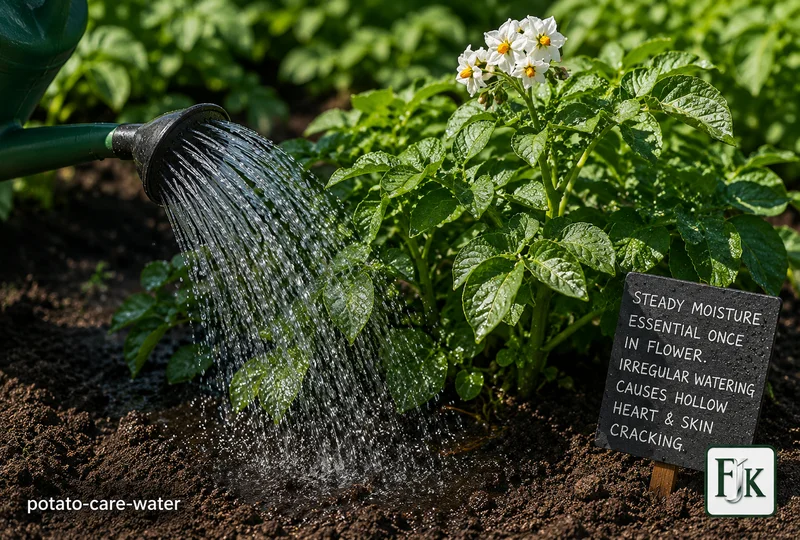
Steady moisture is essential once plants are in flower and tubers are swelling. Irregular watering at this stage causes hollow heart and skin cracking. In dry spells, water deeply twice a week at the base of the stems. First earlies in containers need daily watering in warm weather.

Blight (Phytophthora infestans) can destroy a whole crop within days in warm, humid weather. Inspect plants every 2–3 days in summer. At first sign — brown patches spreading from leaf tips, white mould beneath — remove all affected material immediately and never compost it. Choose blight-resistant varieties (Sarpo Mira, Orla) for peace of mind.
First earlies: harvest when flowers open, about 10 days after the petals fall. Gently scrape soil aside to check tuber size — aim for egg-sized. Second earlies: as above, from late July. Maincrop: wait until all foliage has died back completely, then choose a dry day and lift with a fork well clear of the row.
Blight (Phytophthora infestans) can destroy an entire crop within days in warm, humid weather. Choose resistant varieties like Sarpo Mira for high-risk gardens. At first sign — brown spreading patches on leaves, white mould underneath — remove all affected material immediately and never compost it. Colorado beetle and potato wart are notifiable. If you find a yellow-and-black striped beetle or its red larvae, or warty, cauliflower-like growths on tubers, don't move the plants or tubers. Report it to the government plant health service where you live.
Full identification and treatment advice is in the Pests and Diseases sections.
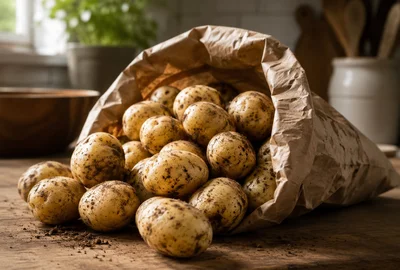
Freshly lifted earlies and salad types are best eaten within a week. Store in a cool dark place loosely in a paper bag or hessian sack — never in plastic.
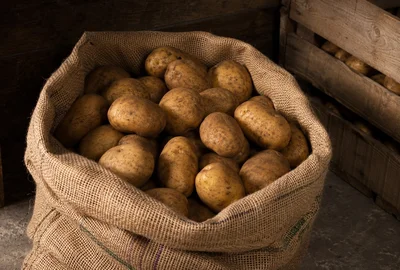
Maincrop potatoes store for months in the right conditions: 4–7°C, complete darkness (light causes greening), good ventilation, and away from frost. A garage, shed or cellar is ideal.
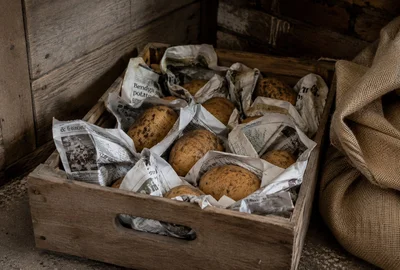
Potatoes are damaged by frost. In storage, insulate boxes with newspaper or hessian and check regularly through winter. Any green or soft potatoes must be removed immediately.
The single most common reason for poor potato yields is planting in cold, wet, compacted soil. Potatoes planted into warm, loose, well-enriched ground in mid-spring consistently outperform those rushed into cold soil in early spring. Patience pays.
Chitting in the dark produces pale, fragile shoots that snap off and contribute nothing. A cool windowsill — even a north-facing one — gives far better results than a warm dark cupboard. Short, dark-green, stubby shoots are your quality indicator.
Earthing up is not optional. Exposed tubers turn green within a few days of light exposure. Green potato flesh contains solanine — a mild toxin. Any green portions must be cut away completely and not eaten.
Never compost blighted potato material — burn it or bin it. Blight spores survive in compost heaps and in volunteer potato plants that sprout from missed tubers the following year. Thorough removal is essential.