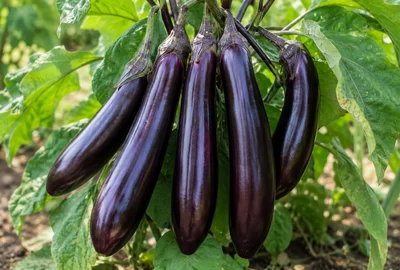
Moneymaker
Classic · Long
One of the most popular UK varieties. Long, cylindrical, deep purple glossy fruits with meaty texture and good flavour. Strong, productive and reliable over a long season in a UK greenhouse.
- Greenhouse
- Beginners
- ⭐ Yield
Solanum melongena
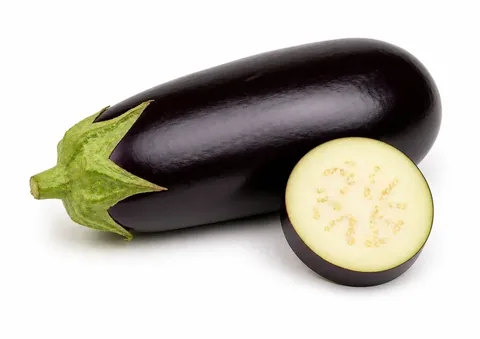
Glossy, dramatic, and deeply satisfying to grow. Aubergines need warmth and patience but reward the dedicated grower with spectacular fruit from midsummer through autumn. A heated propagator is essential — they are the most heat-demanding crop in the British kitchen garden.
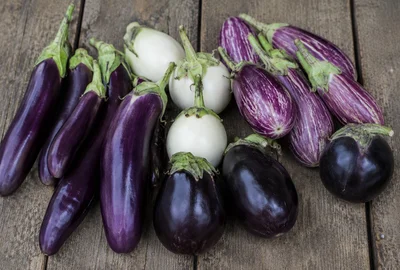
Aubergines divide into classic purple types, long Asian varieties, and novelty coloured forms. Classic purple F1 hybrids are the most reliable for UK growing. Long, slender Asian types such as Ping Tung have thinner skin and a milder, sweeter flavour. White and striped heritage varieties add drama to the plot — Rosa Bianca and Listada de Gandia are outstanding for both looks and flavour.
The number of varieties shown for each crop is based on UK consumption data (2025/26) — the more popular the crop, the more variety choices we include.
The workhorses of the British greenhouse — dark, glossy, reliable fruits with rich flavour. These oval to cylindrical varieties are the easiest to grow and the most productive in UK conditions.
One of the most popular UK varieties. Long, cylindrical, deep purple glossy fruits with meaty texture and good flavour. Strong, productive and reliable over a long season in a UK greenhouse.
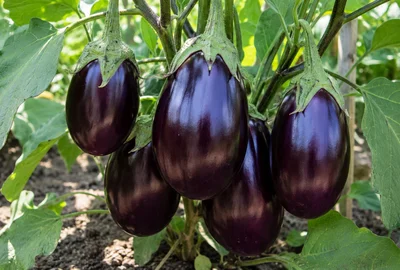
Compact, early-fruiting F1 with smooth, deep purple oval fruits in clusters. Excellent for container growing and smaller greenhouses. One of the best choices for those with limited space.
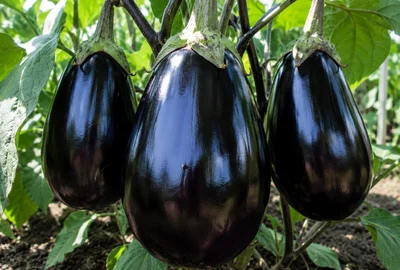
The benchmark heritage aubergine. Large, glossy, deep purple-black oval fruits with dense creamy flesh and excellent mild flavour. The variety that defined what an aubergine looks like.
Long Asian types and dramatic striped heritage varieties. Thinner skin, milder flavour, and a different eating experience from classic types.
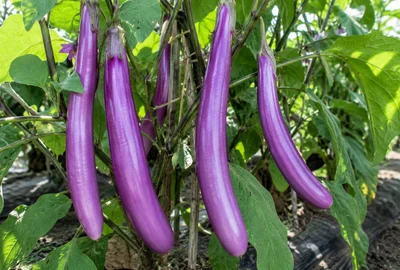
A beautiful slender Asian-style aubergine with long, bright lavender-purple fruits in clusters. Thin skin, very mild and sweet flesh. Highly productive and early — one of the best Asian types for UK growing.
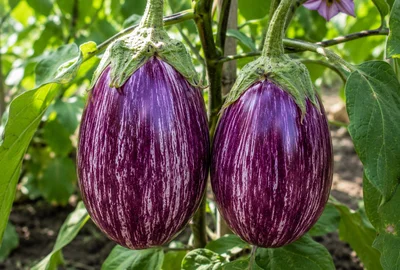
A stunning Italian heritage variety with distinctive deep purple and white striped oval fruits. Milder and less bitter than classic types with delicate creamy flesh. A showstopper on the plot.
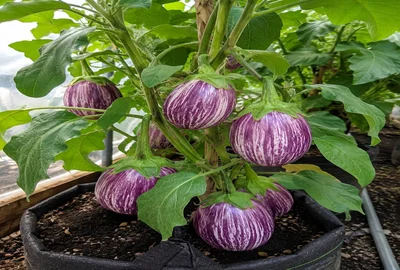
A compact variety producing clusters of small to medium oval fruits with vivid purple and white streaked skin. Heavy-cropping and attractive. Excellent for containers and smaller growing spaces.
White and cream-skinned varieties with a milder, more delicate flavour than purple types.
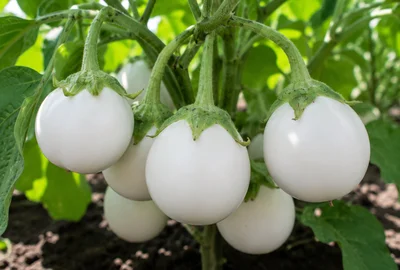
Produces clusters of small, round, pure white fruits resembling eggs. Mild, tender and delicate, with a flavour quite different from purple types. A genuine curiosity that always delights visitors.
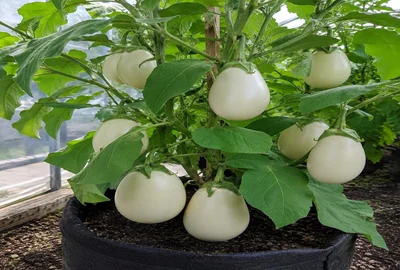
Pale ivory-cream smooth oval fruits with a very mild, almost sweet flavour. Less bitter than any purple variety. Superb grilled or roasted where the pale flesh stays cream-coloured. A chef favourite.
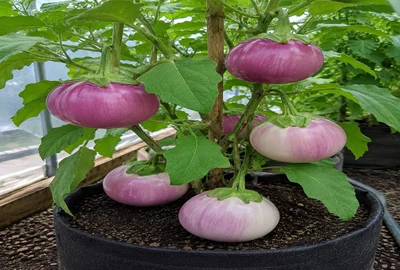
A beautiful round Italian heritage variety with stunning rose-pink and cream blush skin. Meaty, almost seedless flesh with exceptional mild flavour. One of the finest aubergines for the kitchen garden.
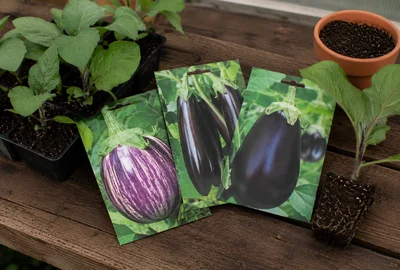
Aubergines are widely available as seeds from specialist seed companies. Quality F1 varieties are worth the premium. Ready-grown plug plants are available from garden centres and online nurseries from April and are an excellent option for those without a heated propagator.

Specialist seed companies offer the widest variety selection including F1 types, Asian long varieties, and heritage forms. Order by January to ensure availability of popular F1 varieties.
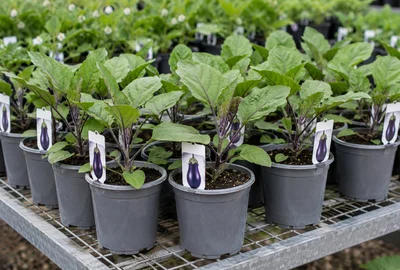
Garden centres stock plug plants from April. A sensible shortcut if you cannot provide the heat required for germination. Choose stocky, dark green plants — avoid anything pale or leggy.
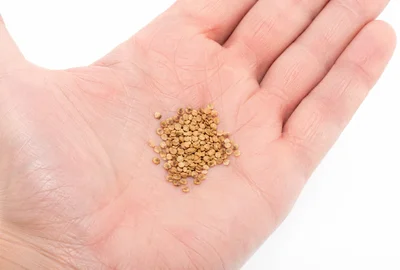
Sow your own in Jan–Mar for the widest choice of varieties. A heated propagator or warm airing cupboard is non-negotiable for reliable germination above 21°C.
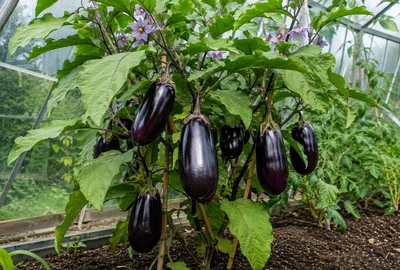
A greenhouse is the ideal environment for aubergines in the UK. Plant into the greenhouse border or in large pots. The reliable warmth and shelter allows the long growing season aubergines require. Aim for a minimum night temperature of 15°C.
Suitable varieties: All varieties. The standard growing method for maximum UK yields.
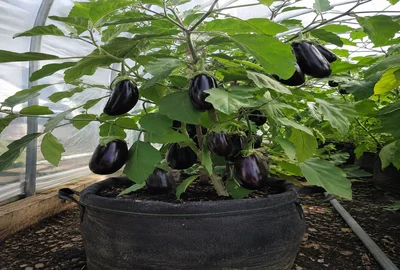
Two plants per standard growbag in a greenhouse or polytunnel. A reliable and straightforward method — the rich compost suits aubergines well. Water frequently as growbags dry out fast in summer. Push canes through the bag for support.
Suitable varieties: All compact varieties, especially Bonica F1 and Moneymaker.
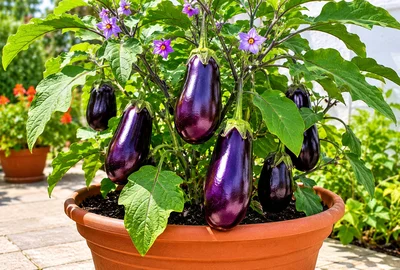
Aubergines grow well in large containers of 30–35cm diameter. Works best in a greenhouse or on a very sheltered, south-facing patio. Use a rich peat-free compost with 20% perlite. Water daily in hot weather — containers dry out extremely fast.
Suitable varieties: Bonica F1, White Gem, Ping Tung Long — compact and prolific types.
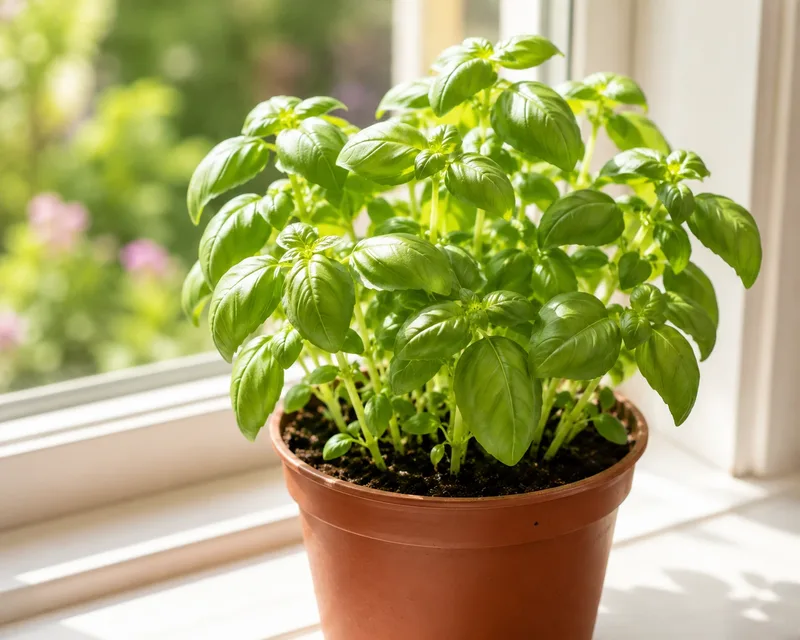
Basil is the classic companion for aubergine and other solanums. It is thought to repel aphids and improve the flavour of neighbouring crops. Grow basil at the base of aubergine plants in the greenhouse.
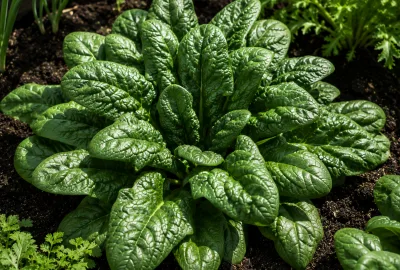
Low-growing spinach uses the space beneath aubergine plants without competing for the same nutrients. Keeps soil cool and moist around the base.
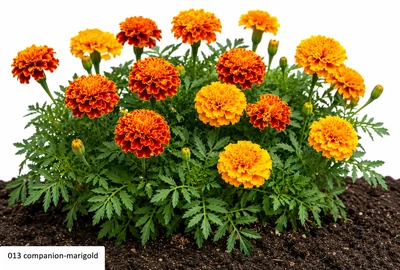
French marigolds (Tagetes) planted at the greenhouse perimeter deter whitefly and aphids, which are the main greenhouse pests of aubergines.
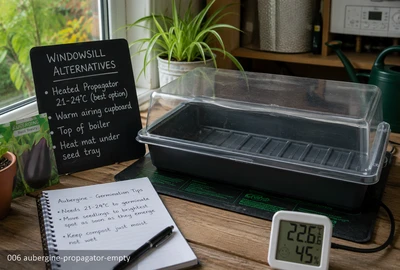
Aubergines are the most heat-demanding crop you can sow. Germination requires a consistent 21–24°C — a heated propagator is the best option, but a warm airing cupboard, the top of a boiler, or a heat mat under a seed tray works equally well. Sow in January or February for maximum growing time. The process from seed to harvest takes 6–7 months.
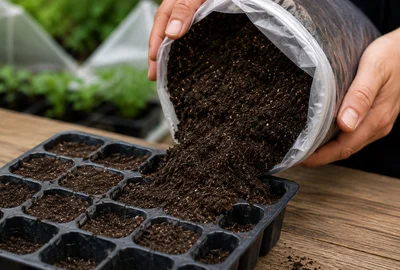
Fill a module tray or small pots with fresh seed compost. Firm lightly and water well before sowing.
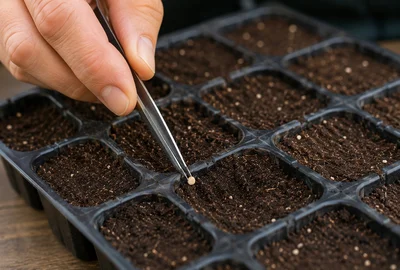
Press one seed into each module at a depth of 6mm. Aubergine seeds are small — tweezers help place them accurately.
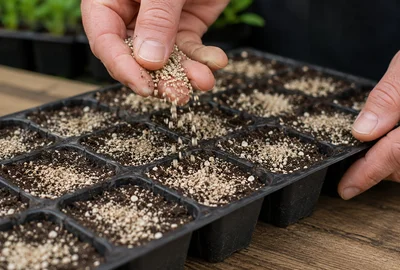
Cover with a thin layer of vermiculite or fine compost. Vermiculite retains moisture while allowing air circulation.
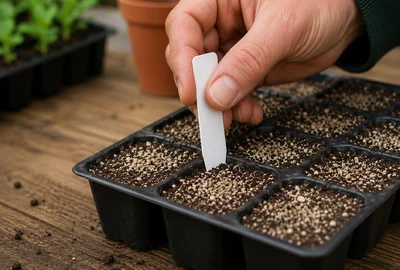
Label with variety and date, then place in a heated propagator set to 21–24°C — or a warm airing cupboard. Keep covered to maintain humidity.
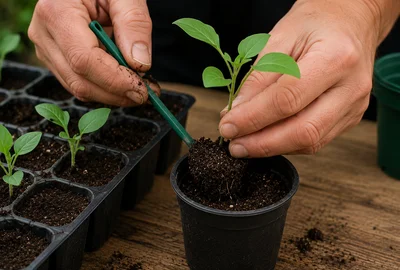
When the first pair of true leaves appears (2–3 weeks after germination), prick out into 9cm pots of potting compost.
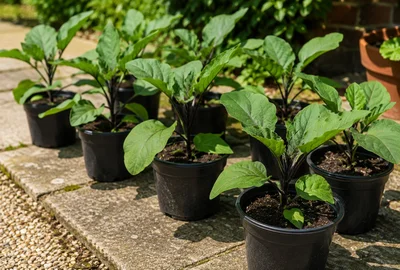
Before planting out, harden off over 7–10 days by placing plants outdoors in a sheltered spot during the day, bringing in at night.

| Region | Sow / plant | Harvest | Notes |
|---|---|---|---|
| Scotland & Far North | Feb–Mar | Aug–Sep | Sow Feb–Mar; plant out late May in greenhouse only |
| Northern England | Jan–Mar | Aug–Sep | Sow Jan–Mar; plant out May in greenhouse only |
| Midlands & Wales | Jan–Mar | Aug–Oct | Sow Jan–Mar; plant out May in greenhouse |
| Ireland & Isle of Man | Jan–Mar | Aug–Oct | Sow Jan–Mar; plant out May in greenhouse |
| South & SE England | Jan–Feb | Aug–Oct | Sow Jan–Feb; plant out May in greenhouse |
| South Coast & SW | Jan–Feb | Jul–Oct | Sow Jan–Feb; plant out May in greenhouse or outdoor |
Aubergines need consistent warmth of 21–24°C to germinate reliably — more than most UK homes provide in winter. A heated propagator is the best solution and makes a genuine difference with this crop. If you don't have one, a warm airing cupboard, the top of a boiler, or a heat mat under a seed tray are all good alternatives. Move seedlings to the brightest spot available the moment they emerge.
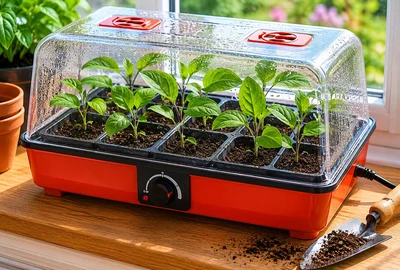
A heated propagator set to 21–24°C gives the most reliable germination for aubergines. Once seedlings emerge, open the vents gradually over several days before removing the lid entirely, then move to a bright south-facing windowsill at 18°C minimum.
An unheated propagator on a warm windowsill can work from mid-February onwards when ambient temperatures are higher, but germination will be slower and less even. For January sowings, a warm airing cupboard or boiler top is more reliable than an unheated propagator in a cool room.
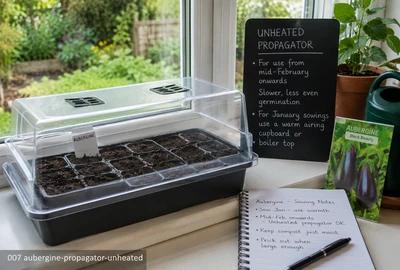
Standard unheated propagator — A lidded seed tray traps warmth and humidity around germinating seeds without electricity. Performance depends entirely on room temperature — best placed on a warm windowsill and used from March onwards. Replace the lid promptly after watering. Remove it completely the moment seedlings emerge to prevent damping off.
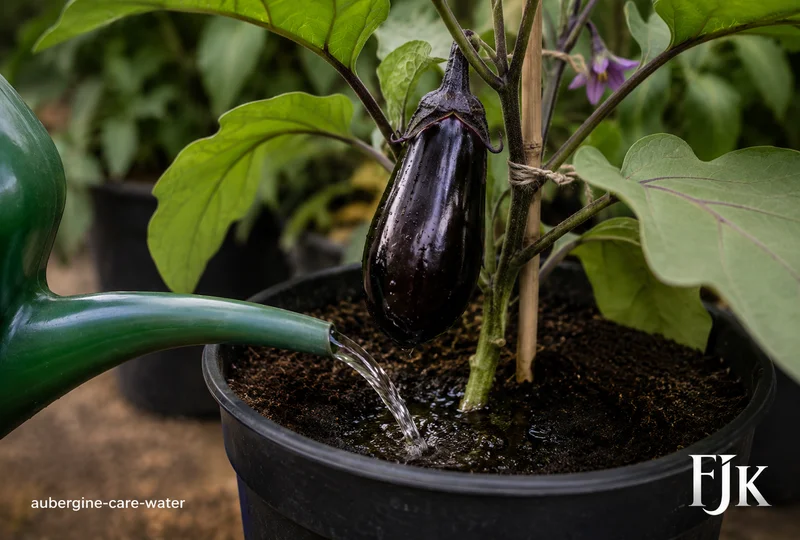
Aubergines need even, consistent moisture — never let the compost dry out or become waterlogged. Water at the base, not over the foliage. Daily watering may be needed in a greenhouse in summer. Inconsistent moisture causes blossom drop and misshapen fruits.
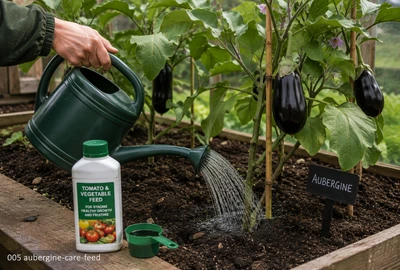
Once the first flowers appear, feed weekly with a high-potash liquid fertiliser (tomato feed). Continue throughout the fruiting season. Aubergines are hungry feeders — insufficient feeding significantly reduces yield and fruit size.
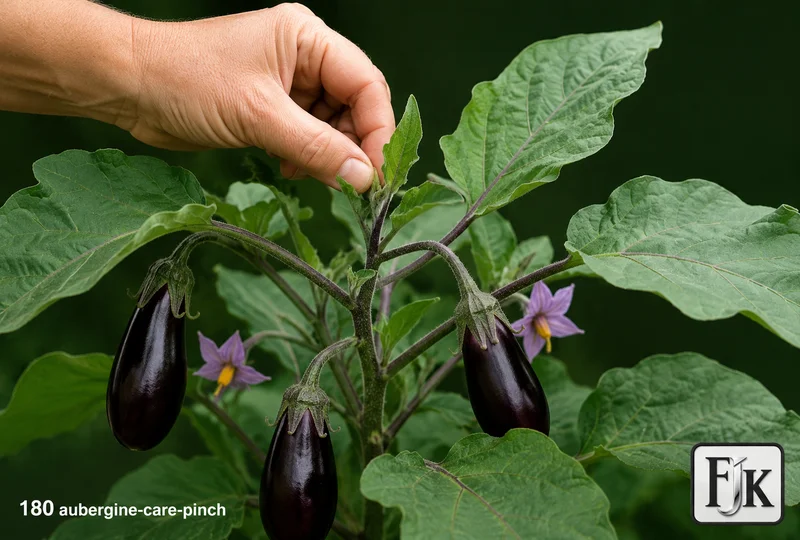
When plants reach 30cm, pinch out the central growing tip to encourage a bushy, branching plant. Each plant can support 4–6 fruits to full size. Remove excess small fruits once several have set to concentrate energy into the remaining ones.
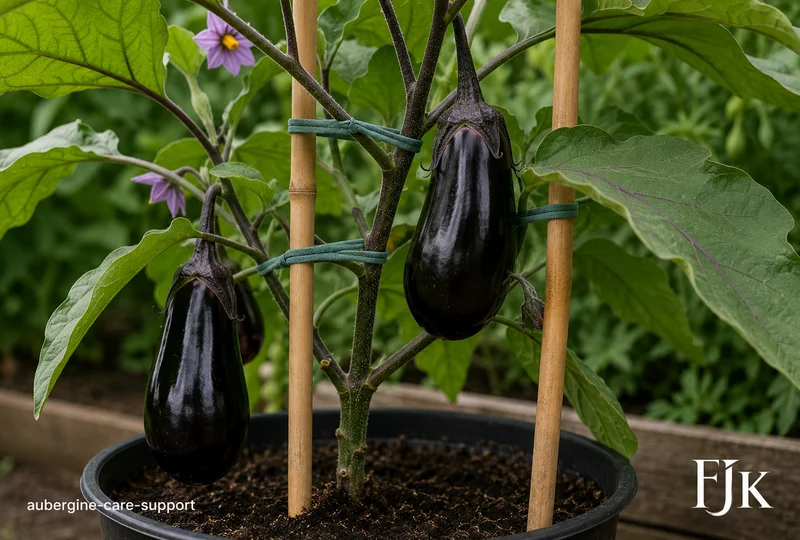
Developing aubergines are surprisingly heavy. Support branches with canes and soft ties, or use a tomato cage. Unsupported branches will snap under the weight of developing fruit. Check ties regularly as plants grow.
Aubergines are very cold-sensitive — a single cold night below 10°C can check growth severely. Keep above 15°C at all times. In the UK, a greenhouse is strongly recommended for reliable fruiting.
Full identification and treatment advice is in the Pests and Diseases sections.
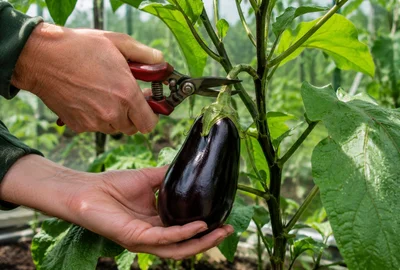
Cut fruits from the plant with secateurs rather than pulling, leaving a short stem attached — aubergine stems are woody and tearing can damage the plant. Harvest when the skin is glossy and taut; a dull, wrinkled skin means the fruit is overripe and will taste bitter.
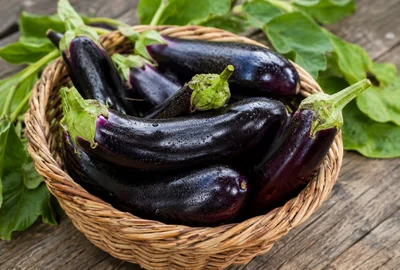
Aubergines are at their absolute best within 2–3 days of harvest. Store unwrapped in the fridge for up to a week. Never freeze raw aubergine — it becomes mushy on thawing. Harvest while skin is still glossy and taut.
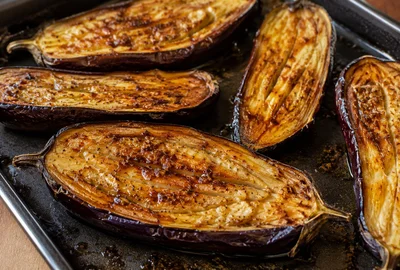
Roasting or grilling is the finest way to cook homegrown aubergine. Halve, score, brush with oil and roast at 200°C until completely tender and caramelised. Grilled slices on a griddle pan create beautiful char marks and a smoky flavour.
The single most common reason aubergines fail to germinate is insufficient heat. If you do not have a heated propagator, a warm airing cupboard or the top of a boiler is a genuinely effective free alternative — the key is consistent warmth of 21°C minimum. Below 18°C germination becomes erratic and seeds may rot.
Aubergine seedlings grow slowly. Do not be alarmed if nothing appears for 10 days at the correct temperature. Patience and consistent warmth are the key — do not increase watering, which risks rot.
Pinching out the growing tip at 30cm is essential, not optional. An unpinched plant produces one or two fruits on a weak stem. A pinched plant produces four to six branches, each capable of carrying fruit — a dramatic difference in yield.
Aubergines and aphids have a close relationship. Check the underside of leaves weekly. A soft soap spray applied early prevents a colony — once aphids get into the growing tips they are harder to control.