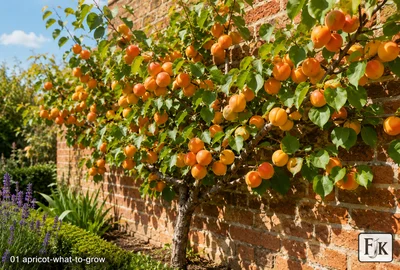
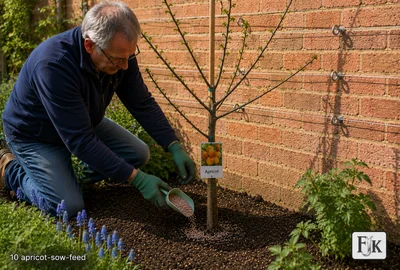
Apricots are more achievable in UK gardens than most people realise. Against a south-facing wall with frost protection for the early blossom, modern self-fertile varieties produce reliable crops in the south and in containers under cover throughout the UK. The challenge — and it is a manageable one — is that they flower in February and March, when late frosts remain a serious risk.
02 Rootstock Guide
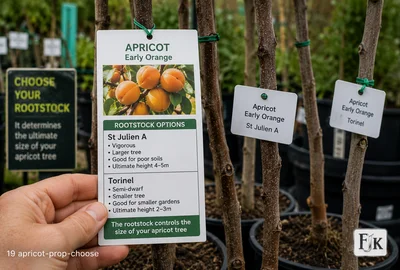
The rootstock controls the ultimate size of the tree. Choose it first — before the variety. All sizes below are approximate and depend on soil and management.
Apricots rootstocks
Rootstock
Size
Height
Spacing
Suitable for
Support & notes
St Julien A
Semi-vigorous
3–5m
4–5m
Fan · Most gardens
Stake for 5 years — Standard rootstock for wall-trained apricots. Good vigour and compatibility.
Torinel
Semi-dwarfing
2.5–3.5m
3–4m
Fan · Container-trained
Stake for 3 years — Semi-dwarfing rootstock giving slightly more compact trees that suit smaller wall spaces.
Pixy
Dwarfing
2–3m
2.5m
Container · Small fan
Permanent stake — For containers and compact training.
Pollination groups
Group SF — Self-fertile — all recommended UK apricot varieties are self-fertile. A single tree crops well without a partner. Hand pollination is strongly recommended as flowers open before bees are active.
Training forms
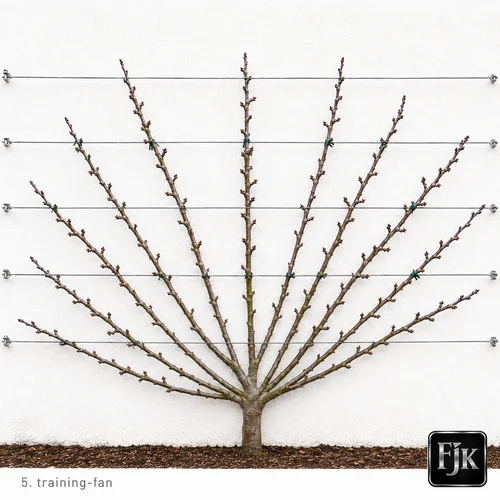
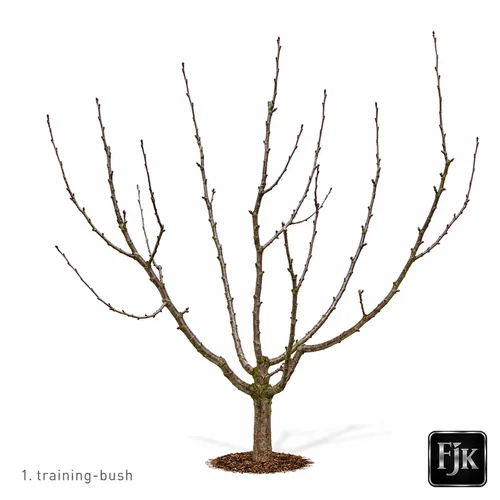
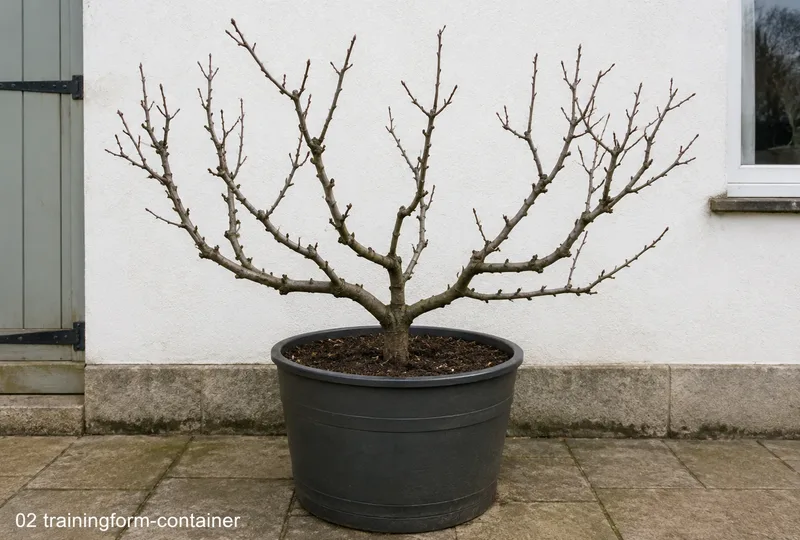
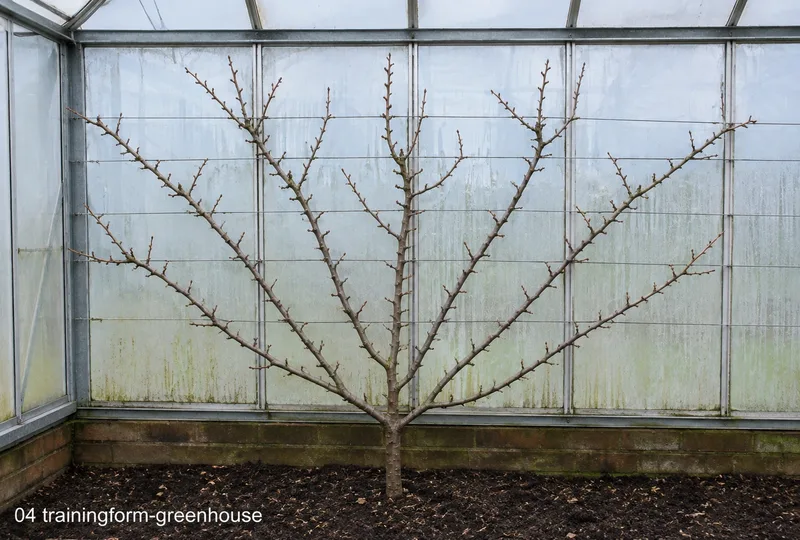
fanbushcontainergreenhouse
03 Varieties
The number of varieties shown for each crop is based on UK consumption data (2025/26) — the more popular the crop, the more variety choices we include.
Self-fertile & Reliable
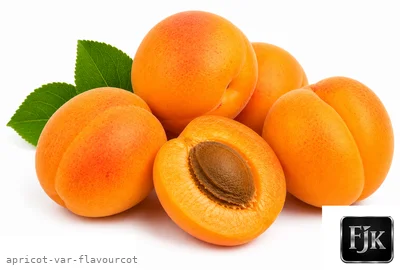
Flavourcot
Self-fertile · Mid
The most reliable self-fertile apricot for UK gardens. Very good disease resistance. Consistently productive. Large, orange-red fruit with excellent rich flavour. The first choice for any UK apricot grower — particularly for wall training.
Harvest
Jul–Aug
Flavour
Outstanding — rich, sweet, full apricot
Fruit size
Large
Yield
High
Disease resistance
Very good
✓ Self-fertile
🪴 Container
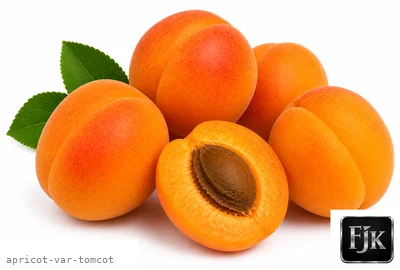
Tomcot
Self-fertile · Early
One of the earliest and largest-fruited apricots. Self-fertile. Very large, orange-flushed fruit. Good flavour. Valuable for gardens wanting the earliest possible harvest — Tomcot ripens in early to mid-July ahead of most other varieties.
Harvest
Jul
Flavour
Sweet, pleasant, good
Fruit size
Very large
Yield
High
Disease resistance
Good
✓ Self-fertile
🪴 Container
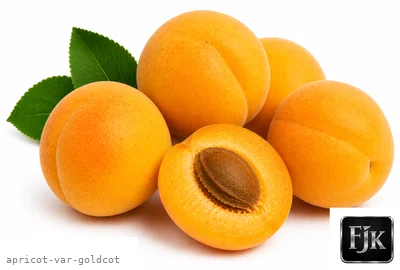
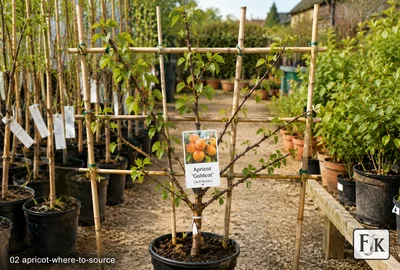
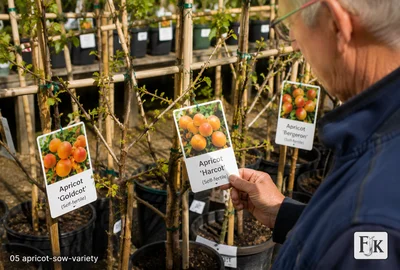
Goldcot
Self-fertile · Mid · Frost tolerant
An American-bred variety with good frost tolerance of the blossom — slightly more reliable in frost-prone UK gardens than many European varieties. Self-fertile. Good crops of orange-yellow fruit. A practical choice where late frosts are a particular problem.
Harvest
Jul–Aug
Flavour
Sweet, mild, pleasant
Fruit size
Large
Yield
High
Disease resistance
Good
✓ Self-fertile
🪴 Container
Heritage & Fine Flavour
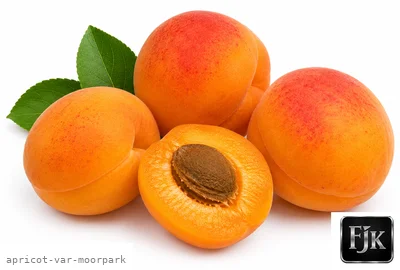
Moorpark
Self-fertile · Late
A heritage variety with arguably the finest flavour of any UK-grown apricot — rich, complex, intensely sweet. Very large fruit. Needs a warm summer and the best south wall to fully develop. Less reliable than Flavourcot but the quality in a good year is outstanding. Worth growing for flavour alone.
Harvest
Aug
Flavour
Exceptional — the finest UK apricot flavour
Fruit size
Very large
Yield
Moderate
Disease resistance
Moderate
✓ Self-fertile
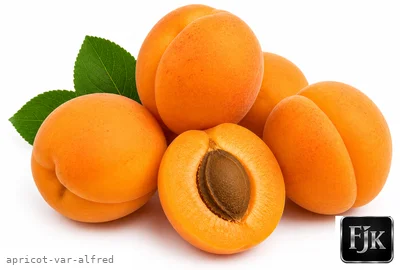
Alfred
Self-fertile · Early-mid
A reliable early-ripening apricot with good flavour and consistent yields. Self-fertile. Good disease resistance. One of the most widely planted UK apricots for several decades. A dependable choice particularly suited to container growing.
Harvest
Jul
Flavour
Rich, good, reliable
Fruit size
Medium-large
Yield
High
Disease resistance
Good
✓ Self-fertile
🪴 Container
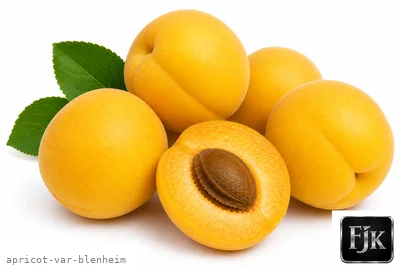
Blenheim
Self-fertile · Mid
A heritage American variety with outstanding rich flavour — comparable to Moorpark in quality. Medium vigour. Needs good warmth to ripen fully. Best on a south wall in the south of England. An excellent choice for growers who prioritise flavour over yield reliability.
Harvest
Aug
Flavour
Very rich, complex, classic apricot
Fruit size
Large
Yield
Moderate
Disease resistance
Moderate
✓ Self-fertile
Container & Patio
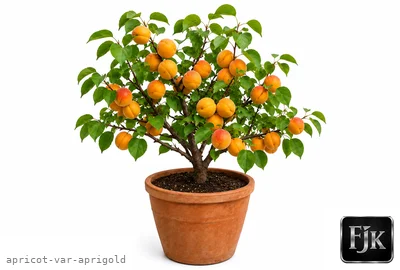
Aprigold
Genetic dwarf · Self-fertile
A compact genetic dwarf apricot reaching only 1.2–1.5m — bred specifically for container growing. Self-fertile. Regular crops of orange-yellow fruit. Ideal for patio containers where full-sized trees would be impractical. Ornamental in spring flower.
Harvest
Jul–Aug
Flavour
Sweet, pleasant, good for a dwarf
Fruit size
Medium
Yield
High
Disease resistance
Good
✓ Self-fertile
🪴 Container
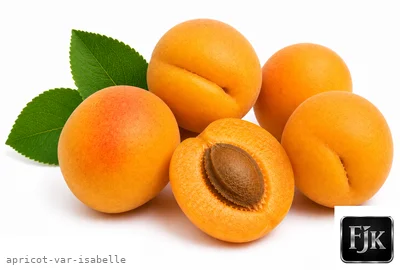
Isabelle
Self-fertile · Container
A vigorous self-fertile variety with very good disease resistance, well-suited to container growing and cool greenhouse cultivation. Good yields of well-flavoured fruit. Reliable even in less-than-ideal summers. A practical choice for the container-and-greenhouse approach.
Harvest
Jul–Aug
Flavour
Sweet, good quality
Fruit size
Medium-large
Yield
High
Disease resistance
Very good
✓ Self-fertile
🪴 Container
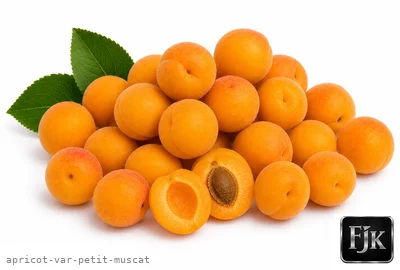
Petit Muscat
Self-fertile · Small fruit
A small-fruited variety with extraordinarily intense, aromatic, honey-sweet flavour — the most aromatic of any commonly available UK apricot. Small orange fruit in huge quantities. Outstanding flavour that more than compensates for the small size. Excellent in containers.
Harvest
Jul–Aug
Flavour
Very sweet, intensely aromatic, honey-like
Fruit size
Small
Yield
Very high
Disease resistance
Good
✓ Self-fertile
🪴 Container
04 Where to Source
Self-fertile apricot trees are available as container-grown or bare-root (Nov–Mar) stock from specialist fruit nurseries; Flavourcot and Tomcot are the most widely stocked. Genetic dwarf container varieties such as Aprigold are worth seeking from nurseries specialising in patio fruit trees. Always confirm self-fertility before buying, as this greatly simplifies pollination.
05 Planting Options
🌿 Fan-trained Against a South Wall
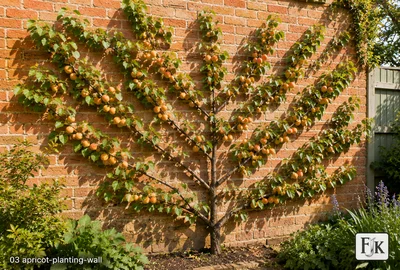
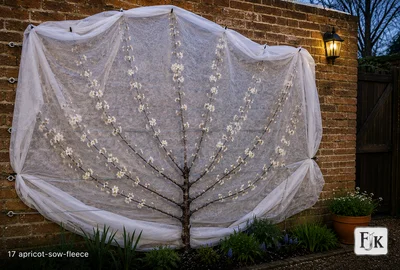
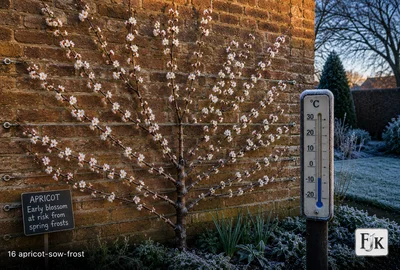
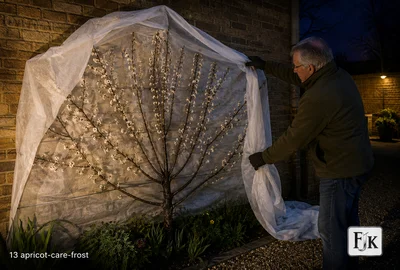
Apricots need the warmest, most sheltered south wall available, with good drainage at the base, since they flower very early in the year and are vulnerable to frost damage right when the crop is being set. Install horizontal wires at 25-30cm intervals, along with hooks or anchors that let horticultural fleece be draped over the fan at short notice — keeping fleece easily accessible from February to April, and covering on any night frost is forecast, protects the earliest blossom. Because apricots flower before most pollinating insects are active, hand pollinating with a soft brush at midday on dry, still days through February-March makes a real difference to the eventual crop.
South wall with frost-free drainage
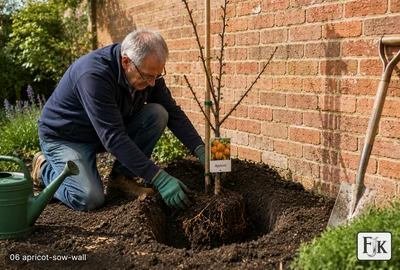
Apricots need the warmest, most sheltered south wall available. Good drainage at the base is essential — apricots dislike waterlogged roots more than most stone fruits. Plant 20–30cm from the wall base.
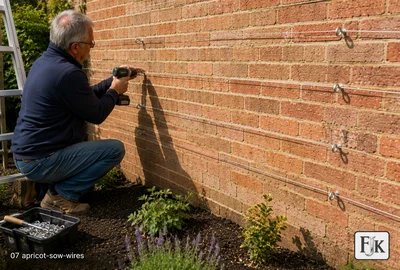
Install wires and fleece anchoring points
Install horizontal wires at 25–30cm intervals to 2m. Also install hooks or anchors that allow horticultural fleece to be draped over the fan quickly when frost is forecast — the ability to cover rapidly in February is critical.
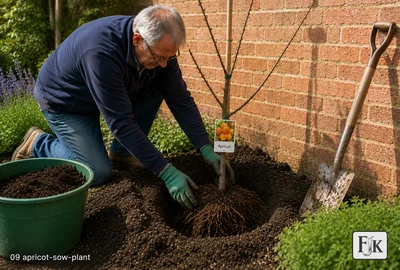
Plant and develop fan framework
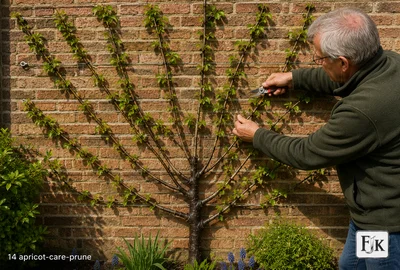
Plant Nov–Mar. Develop the fan from two main ribs at 45 degrees as per cherry and peach fan training. The full fan takes 4–5 years to develop. Prune formatively in spring (March) only.
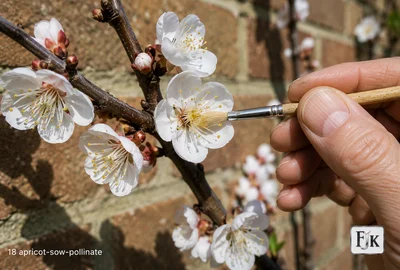
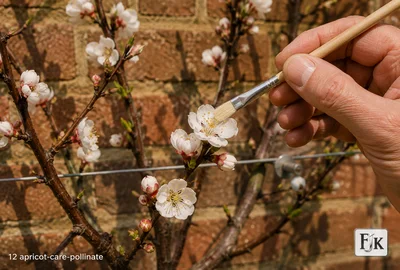
Hand pollinate daily in February–March
Use a soft brush to transfer pollen between open flowers at midday on dry, still days. Apricots flower very early and bees are almost never active. Even one missed session in cold weather reduces fruit set significantly.
Cover on frost forecast nights
Keep horticultural fleece easily accessible from February to April. When frost is forecast, drape 2 layers of fleece over the fan before dark. Remove the following morning when temperature rises. This simple intervention saves the crop year after year.
🪴 In a Large Container (Most Reliable Method in the North)
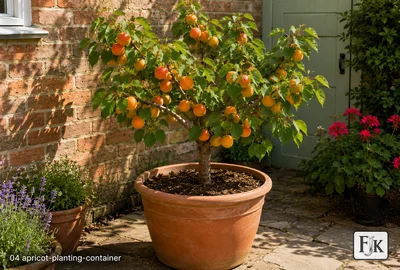
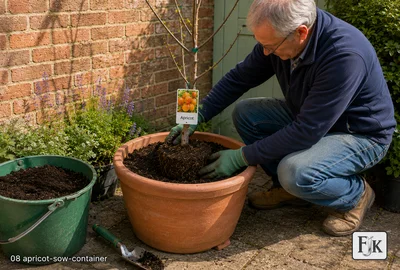
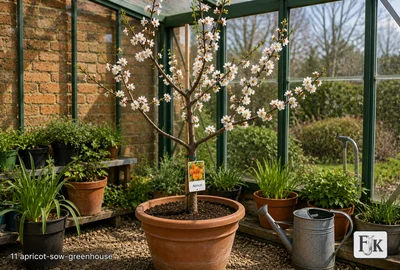
In cooler parts of the UK, a large container is often the single most reliable way to fruit an apricot, since the whole tree can be moved to shelter exactly when it needs it. Use a minimum 60-litre container with free-draining compost, positioned in the sunniest, most sheltered spot on the patio through summer. The key technique is moving the container into an unheated or cool greenhouse from November to late April, which protects the vulnerable early blossom from frost far more effectively than any wall-trained tree fixed in open ground. Regular watering and weekly high-potash feeding from flowering through to harvest keeps container-grown fruit swelling well.
60L+ container, free-draining compost
Minimum 60-litre container with free-draining compost. Position in the sunniest, most sheltered patio spot from spring to autumn.
Move into greenhouse for winter and spring
Bring the container into an unheated or cool greenhouse from November to late April. This provides frost protection during the vulnerable flowering period without the need for nightly fleece application. Move outside after frost risk has passed.
Water and feed consistently
Container apricots need regular watering and weekly high-potash feeding from flowering to harvest. Repot into fresh compost every 2–3 years.
06 Companion Planting
✅ Grow nearby
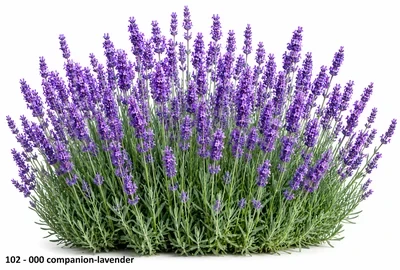
💜 Lavender
Attracts pollinators and adds a decorative, low-maintenance border nearby.
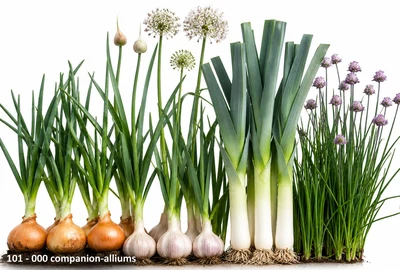
🧄 Alliums
Onion-family plants grown nearby are thought to help deter pests with their strong scent.
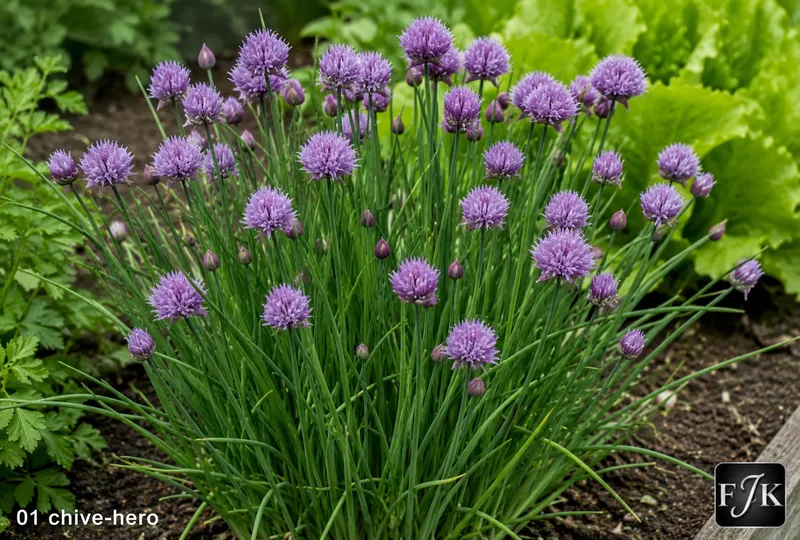
A mild allium companion said to help deter aphids and other pests with its strong scent.
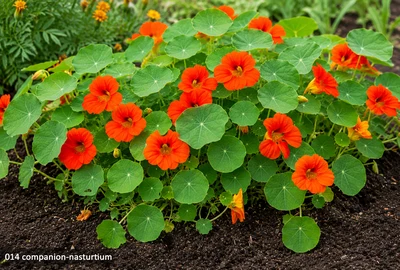
🌸 Nasturtium
Acts as a trap crop for aphids, drawing pests away from the main plant.
07 Sowing — How To
Choose self-fertile variety
All recommended UK apricots are self-fertile. Flavourcot is the first choice — it is the most reliable and widely available. Tomcot for largest fruit. Goldcot for frost tolerance.
Prepare frost protection before first winter
Fleece and hooks must be in place before the first February after planting. The first flowering season is often the most vulnerable.
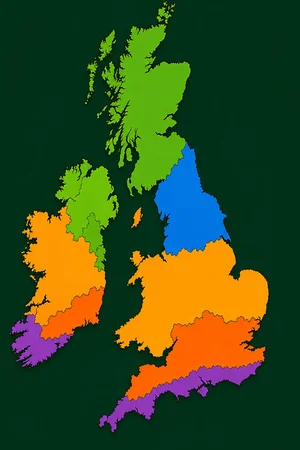
Regional sowing timing
Region
Sow / plant
Harvest
Notes
Scotland & Far North
Nov–Mar
Jul–Aug
Northern England
Nov–Mar
Jul–Aug
Midlands & Wales
Nov–Mar
Jul–Aug
Ireland & Isle of Man
Nov–Mar
Jul–Aug
South & SE England
Nov–Mar
Jul–Aug
South Coast & SW
Nov–Mar
Jul–Aug
08 Using a Propagator
Apricots are grafted by specialist nurseries. Purchase self-fertile varieties on St Julien A for wall training or Pixy for containers.
Heated propagator
Not Applicable — Purchase from specialist fruit nurseries.
Choose variety and system
Flavourcot or Tomcot on St Julien A for walls. Any variety on Pixy or in a container for northern gardens. Prioritise self-fertility — never buy an apricot without confirming it is self-fertile.
09 Soil Requirements
pH
6.5–7.5
Best
Sandy loam, Chalky
Tolerates
Loam
Avoid
Waterlogged, Acid, Heavy clay
💡 Tolerates alkaline and chalky soils well. Free-draining essential.
10 Ongoing Care
❄️ Frost Protection of Blossom
Late frosts in February, March, and April are the single greatest cause of crop failure for apricots. A single night below -2°C during full bloom eliminates the entire year's crop. The management response is simple: monitor weather forecasts from the first signs of bud break in late January, and drape 2 layers of horticultural fleece over the fan whenever frost is forecast. Remove the fleece each morning — it must not be left on in daylight as it traps moisture and prevents hand pollination. This nightly winter routine is the most important management task for outdoor apricots and takes less than 5 minutes each evening.
🌸 Hand Pollination
Apricots are among the earliest flowering of all fruit trees — often in full bloom by February or early March. At these temperatures, bees are completely inactive and no natural pollination occurs at all. Hand pollination with a soft brush, carried out daily at midday on dry, still days during the 2–3 week flowering period, is not a recommendation but an essential requirement for a meaningful fruit set. On cold, still days, pollination is most effective in the middle of the day when the temperature is highest.
✂️ Spring Pruning Only
Apricots, like all stone fruits, should not be pruned in winter. Unlike peaches and nectarines (which are pruned in summer), apricots are best pruned in spring (March–April) as growth begins, or in summer (July) after harvest. Pruning as sap rises in spring allows wounds to seal quickly and reduces the risk of silver leaf disease. Remove dead and diseased wood first, then thin crowded growth to maintain the open fan framework. Fan management follows the same renewal principles as peach — retain young replacement shoots, remove wood that has fruited.
🟡 Fruit Thinning
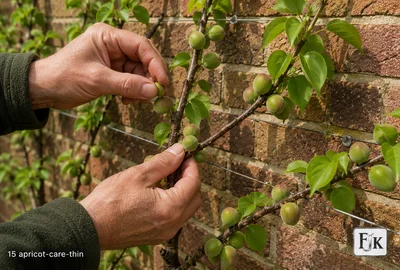
Apricots set heavy crops in good years and must be thinned to prevent exhaustion and biennial bearing (no crop the following year). When fruitlets reach the size of a cherry (1–2cm), thin to one per cluster. When they reach the size of a small marble, thin again to leave one fruit every 8–10cm. The fruits removed are small and unripe but thinning at this stage produces noticeably larger, better-flavoured individual apricots and a healthier tree that crops reliably year after year.
11 Watch Out For
Warning
Late frost is the primary threat — protect blossom every frost-forecast night Feb–Apr without exception. Silver leaf disease enters through pruning wounds — prune in spring or summer only. Bacterial canker produces oozing lesions on bark — remove in spring. Aphids attack young shoots in spring — treat with soap spray. Wasps take ripe fruit — net if losses are significant. Biennial bearing (no crop one year after a very heavy crop) is prevented by thinning.
🐛 Insects & pests
🟤 Scale Insect — Small brown or grey bumps on stems, branches, and the underside of leaves — the scale covers themselves
🐜 Aphids (Blackfly & Greenfly) — Curled, distorted, or stunted growing tips — aphids inject saliva that causes leaf curl to protect them
🤍 Mealybug — White, fluffy or mealy patches in leaf axils, stem joints, and under leaves — the insects themselves
🍄 Diseases to watch
🌿 Bacterial Canker — Bacterial canker (Pseudomonas syringae pv. morsprunorum) is the most serious disease of stone fruit trees in the UK. It kills whole branches and can destroy a young tree in 2–3 years if unchecked. The bacteria enter through winter pruning wounds, leaf scars, and bud scale scars — which is why pruning stone fruit in winter is so dangerous.
🍑 Peach Leaf Curl — Peach leaf curl (Taphrina deformans) is the most damaging disease of peaches and nectarines in the UK. It infects the developing leaves in spring, causing them to blister, redden, and fall prematurely. Repeated defoliation over several years progressively weakens and eventually kills the tree. Rain exclusion is the only reliable prevention.
Full identification and treatment advice is in the Pests and Diseases sections.
12 Storage & Preserving
🟡 Fresh (Eat Within Days)
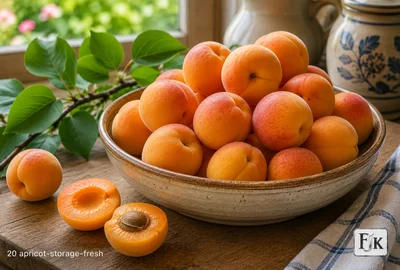
Home-grown apricots at peak ripeness are incomparably better than shop-bought ones, which are always picked underripe for transport. Ripe when golden-orange, yielding slightly to gentle pressure, and coming away from the spur cleanly. Eat within 2–4 days of picking. Refrigerate to extend, but serve at room temperature for maximum flavour — cold apricots are flat and disappointing.
🫙 Jam, Compote & Preserves
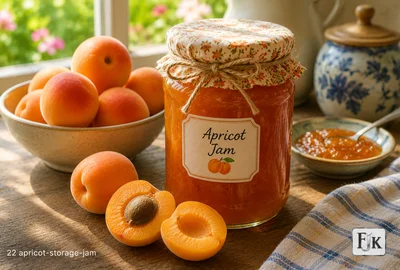
Apricot jam is one of the finest fruit preserves — bright orange, fragrant, and outstanding on croissants and pastries. Follow a tested recipe. Apricot compote with vanilla is outstanding with yoghurt and cream. Dried apricots (40°C for 8–10 hours in a dehydrator) from home-grown fruit are incomparably better than commercial ones.
❄️ Frozen
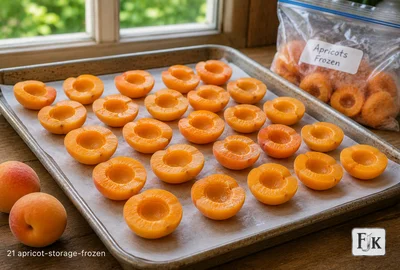
Halve and stone apricots, toss in lemon juice, open freeze on a tray, then bag. Use within 12 months. Frozen apricots make excellent crumbles, pies, and sauces. A surplus crop frozen at peak ripeness provides outstanding fruit through winter — far superior to commercial apricots.
13 Expert Tips
💡 The cool greenhouse solution for northern UK
A container apricot brought into an unheated greenhouse for the winter flowering period is the most reliable approach for gardeners in the Midlands and north. The greenhouse provides frost protection without nightly fleece application, advances the season by 2–3 weeks, and allows hand pollination in a controlled environment. Brought outside in May after frost risk, the container plant enjoys the summer warmth on a sunny patio. This approach makes apricots genuinely achievable anywhere in England and Wales.
💡 Flavourcot is the reliable choice
Of all apricot varieties adapted to UK growing, Flavourcot consistently performs best — reliable fruit set, good disease resistance, and excellent flavour. It is the closest thing to a foolproof apricot for UK conditions. Start with Flavourcot and only add other varieties once you have mastered the management routine.
💡 The difference from shop apricots
A fully tree-ripened home-grown apricot — fragrant, yielding, golden, with intensely sweet flesh — bears no resemblance to the hard, pale, flavourless fruit sold in supermarkets. The commercial apricot is picked weeks underripe to survive transport. Growing your own and picking at exact ripeness reveals what an apricot actually tastes like.
14 Common Mistakes
⚠ Not monitoring forecasts through February
⚠ Assuming no frost protection is needed in the south