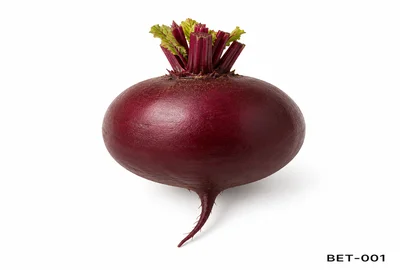
Boltardy
Red round · Seed
A classic UK favourite with excellent bolt resistance, making it ideal for early sowings. Deep red, smooth, and sweet with reliable performance in most soils.
- AGM
- Bolt-resistant
- Beginners
Beta vulgaris
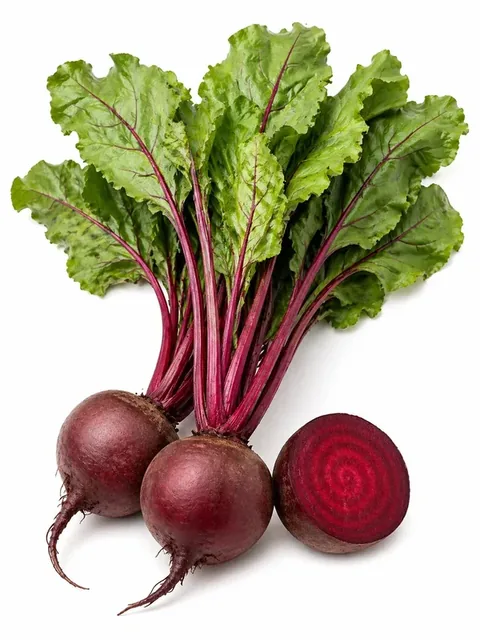
Fast, colourful, and delicious roasted, pickled, or raw in salads. Beetroot is one of the most forgiving and rewarding crops for beginners. Sow directly from April and you can be harvesting sweet baby beets within 10 weeks.
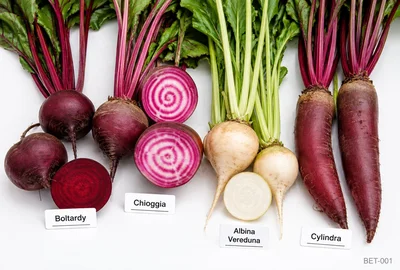
Beetroot offers far more variety than the standard dark red globe. Golden and striped Chioggia types add colour to salads and roasting trays, while long cylindrical forms like Cylindra slice into perfect even rounds for pickling. For beginners, bolt-resistant varieties like Boltardy are the safest choice for early sowings. Baby beet specialists like Babybeat can be harvested within 8 weeks.
The number of varieties shown for each crop is based on UK consumption data (2025/26) — the more popular the crop, the more variety choices we include.
The dependable red globe beetroots that form the backbone of any kitchen garden. Smooth, sweet, and reliable.
A classic UK favourite with excellent bolt resistance, making it ideal for early sowings. Deep red, smooth, and sweet with reliable performance in most soils.
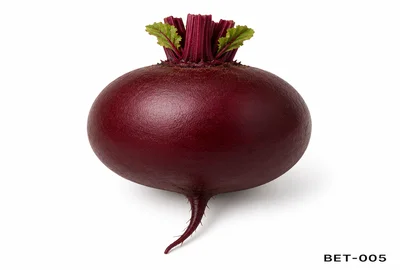
A reliable hybrid with smooth round roots and strong bolt resistance. Useful for successional sowing with a sweet, tender texture when harvested young.
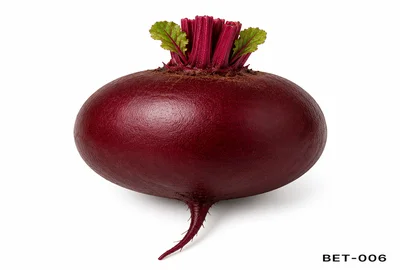
A dependable globe beetroot with deep red flesh and good uniformity. Popular with UK growers for steady cropping and rich traditional flavour.
Golden, striped, and white forms that add drama to the table. Milder in flavour and non-staining.
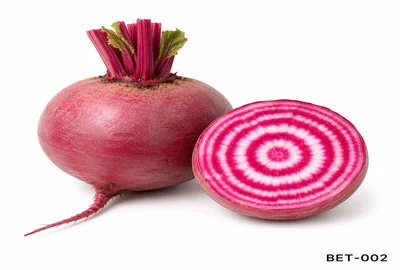
An Italian heritage variety with spectacular red and white ringed flesh. Mild and sweet, excellent for salads and roasting.
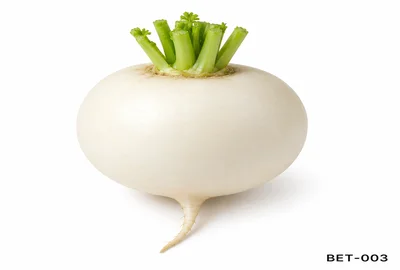
A pale white beetroot that does not bleed when cooked. Sweet, earthy flavour and a useful novelty crop for UK gardens.
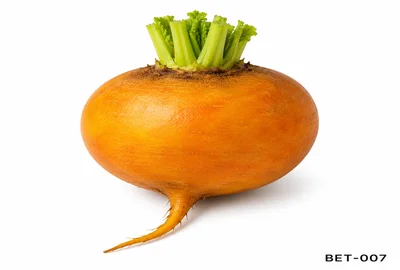
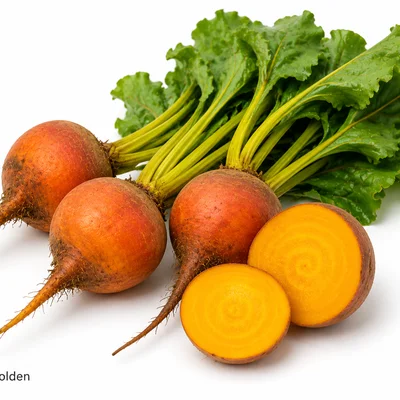
A round, smooth-skinned golden beetroot with bright yellow-orange flesh and a mild, sweet flavour. Bleeds far less than red types and holds its colour when cooked. Sow Apr–Jul; pull at golf-ball to tennis-ball size.
Long cylindrical and baby types that offer different kitchen uses and harvesting options.
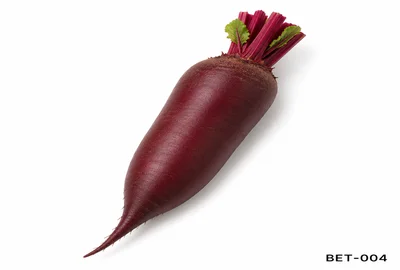
A distinctive long-rooted beetroot that slices into even rounds, ideal for pickling. Good yields from limited space.
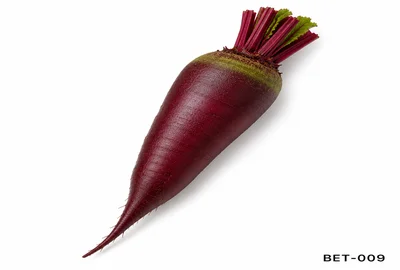
An old British variety with long tapering roots and excellent keeping ability. Traditional earthy flavour, well suited to autumn lifting and winter storage.
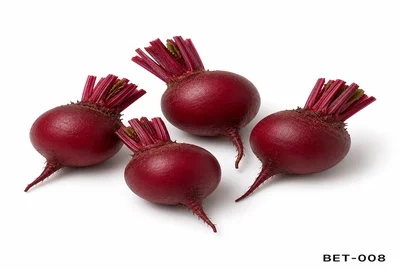
A fast-maturing variety bred specifically for small, tender roots. Ideal for containers and successional sowing where quick harvests are wanted.
Dual-purpose and heritage varieties valued for foliage as well as roots.
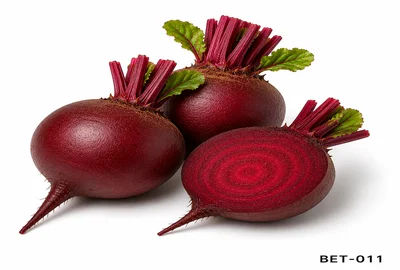
Valued for its deep red leaves as much as its small sweet roots. Attractive in beds and useful for baby leaf salads.
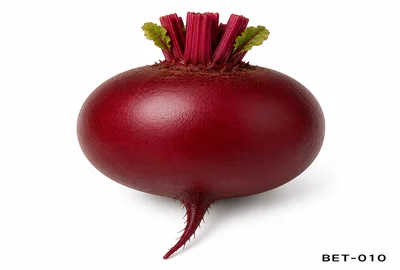
A monogerm variety that produces single seeds, reducing the need for thinning. Round roots with good flavour and reliable results.
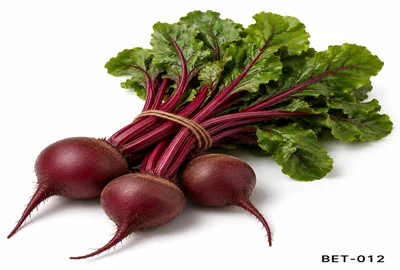
A modern monogerm beetroot producing neat, uniform round roots useful for close spacing and steady crops.
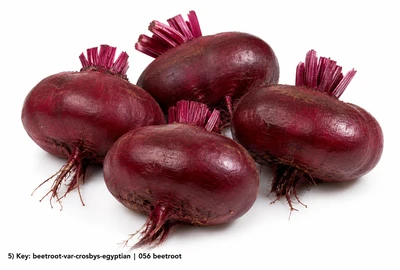
A very early flat-topped Victorian heritage variety of American origin. Small to medium roots with dark red skin and sweet, tender flesh. One of the oldest named beetroot still in cultivation. Good for early sowing and baby beet production.
A Scottish heritage beetroot prized almost entirely for its extraordinary deep blood-red foliage. Tall, ornamental leaves make it highly decorative in the kitchen garden bed. Small, sweet roots. Primarily grown as an ornamental heritage variety with some culinary merit.
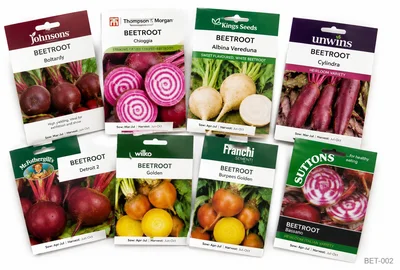
Beetroot is almost always grown from seed, widely available from garden centres and online. Each cluster contains 2–3 seeds — monogerm varieties like Moneta produce single seeds, reducing thinning. Sets are not used for beetroot.
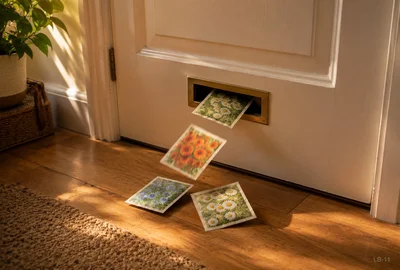
Online seed companies offer the widest variety range — including monogerm types, heritage colours, and bolt-resistant selections unavailable in garden centres. Order from January for the first April sowings. Seed is inexpensive — buy several varieties to sow in succession.
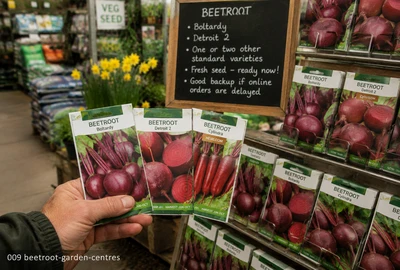
Garden centres reliably stock Boltardy, Detroit 2, and one or two other standard varieties from February onwards. Selection is limited but the seed is fresh and ready immediately. A good backup if online orders are delayed.
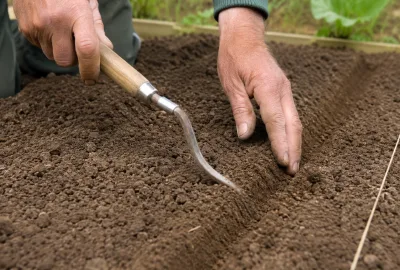
The most natural and productive method. Beetroot is always direct-sown — it dislikes transplanting. Prepare a fine, stone-free seedbed. Sow in shallow 2cm drills, 30cm apart. Each seed cluster contains 2–3 seeds; thin to the strongest seedling once established. Sow every 3–4 weeks from April to July for a continuous harvest of baby and full-sized roots.
Suitable varieties: All varieties. Full-sized maincrop types like Detroit 2 and long Cylindra types perform best with the unrestricted root run of open ground.
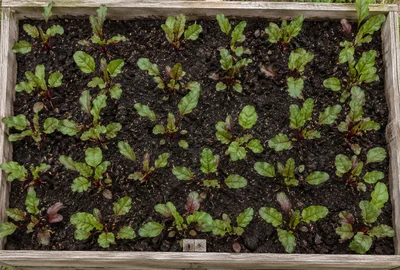
Raised beds warm earlier in spring and drain freely — both of which suit beetroot well. The loose, deep growing medium allows roots to develop without compaction. Sow direct as for open ground. Raised beds give particularly good results for early sowings as the soil warms 2–3 weeks ahead of open ground. Successional sowings every 3–4 weeks maintain a steady supply.
Suitable varieties: All varieties. Baby beet types like Babybeat and Moneta are especially productive in raised beds — harvest at golf-ball size for the finest flavour.
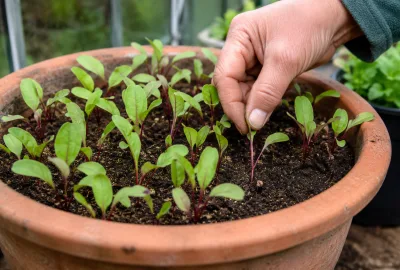
Beetroot grows well in containers provided the pot is at least 25–30cm deep. Use peat-free multi-purpose compost. Sow seeds directly into the container and thin to one plant per 8–10cm once established. Baby beet varieties are the best choice — harvest small for the finest flavour. Water consistently; containers dry out quickly in warm weather. Feed fortnightly with a balanced liquid fertiliser once plants are established.
Suitable varieties: Baby beet varieties — Babybeat, Moneta, and Boltardy. Avoid long-rooted Cylindra types which need greater depth.
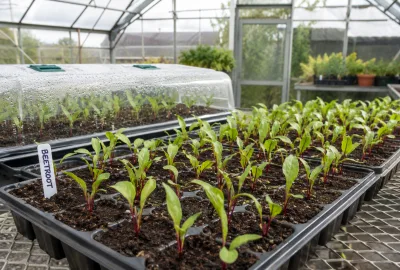
Beetroot does not need a greenhouse to succeed but an early start under glass or cloches gives a 3–4 week advantage in the North. Sow into modules or deep root trainers in a cool greenhouse from mid-March — not heated above 15°C, as warmth triggers bolting. Transplant carefully at the two-leaf stage, disturbing roots as little as possible. Alternatively, warm open ground with cloches for two weeks before direct sowing from mid-March.
Suitable varieties: Bolt-resistant varieties only for early starts — Boltardy is the benchmark. Avoid non-bolt-resistant varieties before late April in the North.
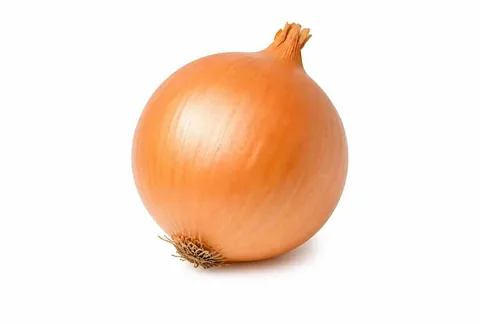
Onions and beetroot are said to benefit each other when grown in close proximity. Onion scent may help deter pests, and both crops have complementary root depths and similar soil requirements.
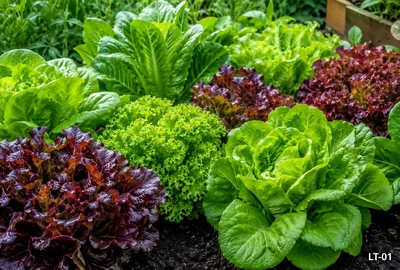
A classic catch crop pairing. Lettuce fills the space between beetroot rows and is harvested before the beetroot needs the full space. Both prefer similar cool, moist conditions.
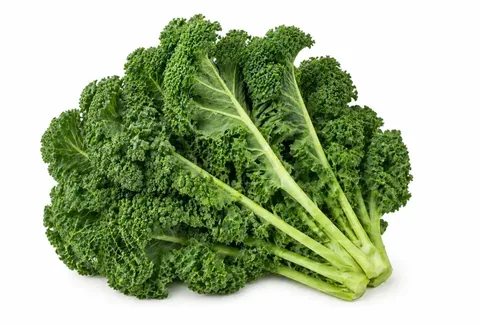
Beetroot grows well alongside brassicas and is a good companion in the brassica rotation bed. It takes up little space and shares no significant pests with the brassica family.
Beetroot is always sown direct — it dislikes transplanting and the multi-germ seed clusters can produce 2–3 seedlings per station that need thinning once established. Sow from April when soil has warmed to at least 7°C. For earlier crops, warm the soil with cloches two weeks before sowing. Bolt-resistant varieties allow sowings from mid-March.
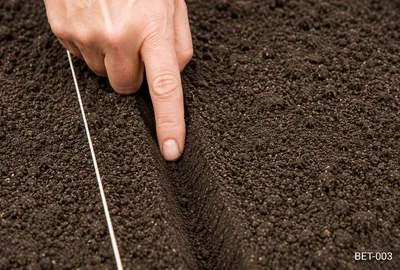
Rake to a fine, stone-free tilth. Draw shallow drills 2.5cm deep, 30cm apart. Firm the base of each drill gently.
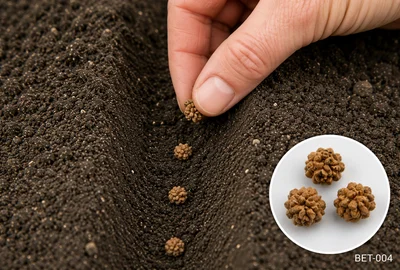
Sow seed clusters 10cm apart along the drill. Each cluster may produce 2–3 seedlings — thinning is essential. Space clusters evenly.
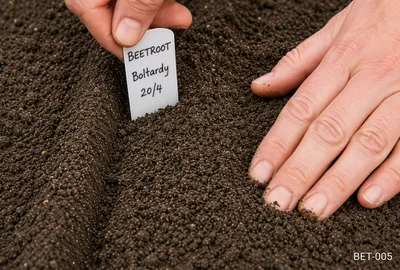
Gently rake fine soil back over the seeds to cover to 2.5cm. Firm lightly with the back of the rake and water in with a fine rose.
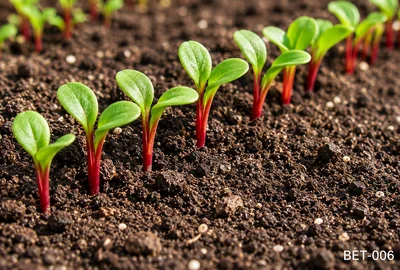
Germination takes 10–14 days in warm soil. Do not re-sow for at least 3 weeks — cold soils slow germination significantly.
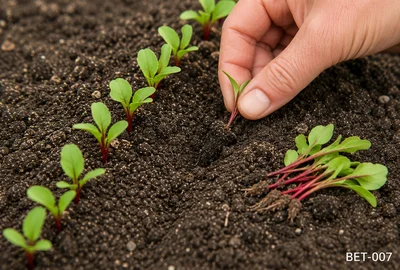
Once seedlings are 5cm tall, thin to one per station. Use thinnings as baby salad leaves — the red leaves are excellent raw.
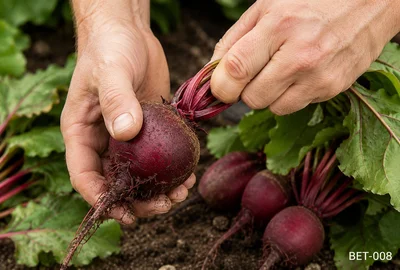
Begin harvesting when roots are golf-ball to tennis-ball size for the best flavour. Twist off leaves rather than cutting to prevent bleeding.
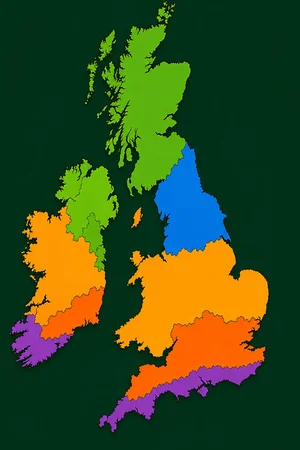
| Region | Sow / plant | Harvest | Notes |
|---|---|---|---|
| Scotland & Far North | Apr–Jul | Jul–Oct | Wait until April — cold soils cause bolting in unresistant varieties. Choose Boltardy for earliest sowings · Apr–Jul |
| Northern England | Apr–Jul | Jul–Oct | Sow from mid-April under cloches; open ground from late April. Successional sowing every 3 weeks gives steady harvest · Apr–Jul |
| Midlands & Wales | Mar–Aug | Jun–Oct | Bolt-resistant varieties can go in from late March. Successional sowing through to August for autumn roots · Mar–Aug |
| Ireland & Isle of Man | Apr–Jul | Jul–Oct | Sow from April in most areas; bolt-resistant varieties from late March. Regular watering essential in drier easterly areas · Apr–Jul |
| South & SE England | Mar–Aug | Jun–Oct | Earliest UK sowings from mid-March under cloches; open ground from late March. Long season into October · Mar–Aug |
| South Coast & SW | Mar–Aug | Jun–Nov | Longest season — sow from mid-March, harvest into November. Mild autumns allow very late sowings · Mar–Aug |
A propagator is useful for beetroot only for very early sowings in late February or March, when outdoor soil is still too cold. Use a cool propagator — no more than 15°C. Higher temperatures encourage bolting in seedlings before they are even established.
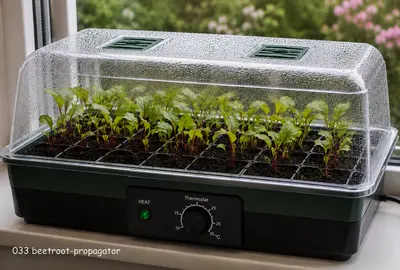
Set to no more than 15°C — beetroot is unusual in that excessive warmth triggers bolting rather than helping germination. A gentle bottom heat of 12–15°C is sufficient to bring seeds up in 7–10 days from late February. Remove seedlings from the propagator immediately after germination and move to a cool, bright windowsill.
An unheated propagator on a cool windowsill is actually well-suited to beetroot — it provides the humidity and protection needed without the risk of warmth-induced bolting. Use from mid-March when ambient temperatures are reliably above 10°C. Remove the lid the moment seedlings emerge.
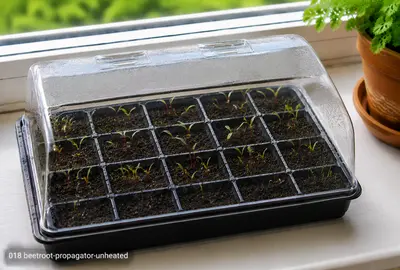
Standard unheated propagator — A lidded seed tray traps warmth and humidity around germinating seeds without electricity. Performance depends entirely on room temperature — best placed on a warm windowsill and used from March onwards. Replace the lid promptly after watering. Remove it completely the moment seedlings emerge to prevent damping off.
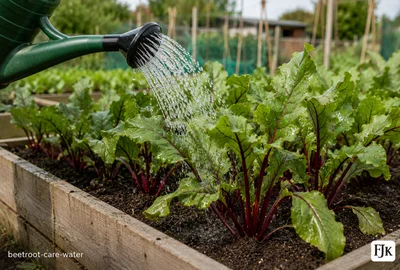
Water regularly in dry spells to keep growth steady and even. Inconsistent watering — long dry periods followed by heavy rain — causes the roots to split and develop a tough, woody texture. Aim for even moisture throughout the growing season rather than irregular soakings.
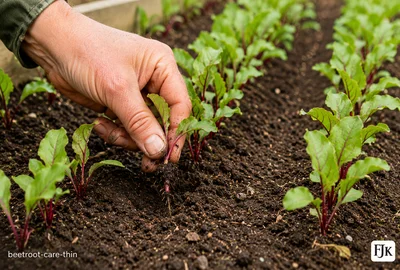
Beetroot seeds are actually clusters of 2–3 seeds — each sowing position will produce multiple seedlings. Thin to one seedling per position when plants are 5cm tall, spacing to 10cm. The thinnings are edible — use them in salads.
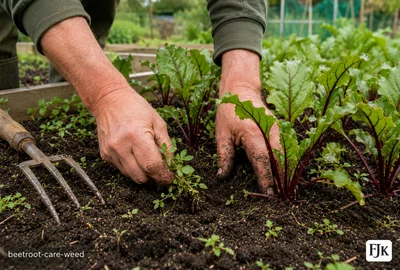
Keep the bed weed-free, especially in the early stages when seedlings are small and easily overwhelmed. Hoe between rows carefully — beetroot has shallow surface roots that are easily damaged by deep hoeing. Hand weed close to the plants.
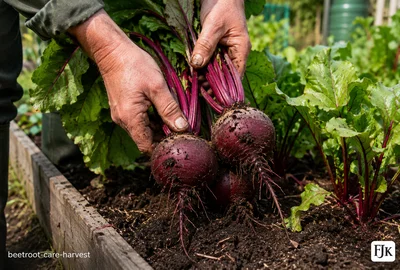
Harvest beetroot when the size of a golf ball to a tennis ball — at this stage they are sweet, tender, and at their best. Larger roots become woody and tough. Pull carefully by hand or ease out with a fork. Twist off the leaves rather than cutting to prevent bleeding.
Bolting (going to seed) is triggered by cold spells followed by warmth. Choose bolt-resistant varieties like Boltardy for early sowings.
Full identification and treatment advice is in the Pests and Diseases sections.
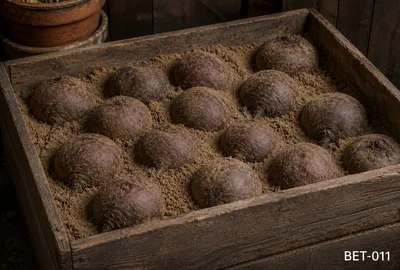
Lift roots in October before hard frosts. Twist off leaves and store layered in dry sand in a cool, frost-free shed. Will keep for several months.
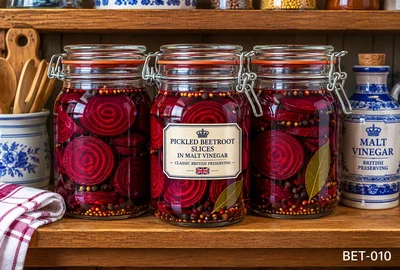
Small beetroots are ideal for pickling. A British kitchen garden classic. Follow a tested recipe.
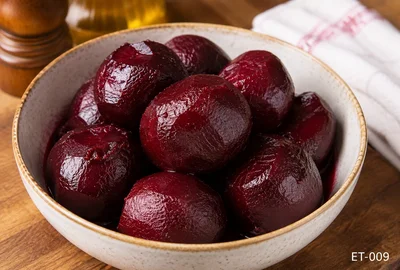
Roast, peel and store in the fridge for up to a week, or freeze in portions for up to 6 months.
Soaking beetroot seed clusters in warm water for 30 minutes before sowing speeds germination significantly — particularly useful for early cold-soil sowings in March and April.
Each beetroot "seed" is actually a corky cluster of 2–3 true seeds. Monogerm varieties like Moneta contain just one seed per cluster, removing the need to thin and saving considerable time across a large sowing.
Harvest baby beets at golf-ball size (4–5cm) for the finest flavour and texture. Left to grow larger they develop a coarser texture — though maincrops like Detroit 2 are bred for full-size harvest and handle it well.
Beetroot foliage is fully edible — young leaves are excellent raw in salads and mature leaves can be cooked like chard. Harvesting outer leaves does not harm the developing root provided you leave the central rosette intact.