⚡ Quick facts
- Difficulty
- Easy
- Crop type
- Hardy Annual
- Position
- Full Sun or Light Shade
- Soil
- Moisture-Retentive, Well-Drained
- Container friendly
- Yes — all types
- Greenhouse recommended
- For early and late crops
- Outdoor suitable
- Yes — all UK
- Frost hardy
- Partial — hardened plants tolerate light frost
01 About
Lettuce is one of the most rewarding crops in the kitchen garden — fast, generous, and endlessly varied. From crisp butterheads to upright cos, cut-and-come-again loose-leaves to tight icebergs, a well-managed lettuce bed can provide fresh salad leaves every week from April to November.
02 What to Grow
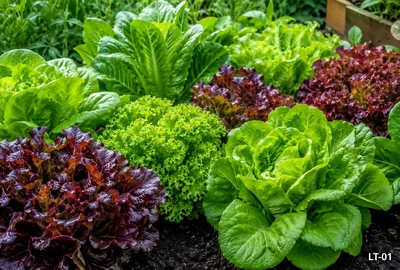
Lettuce divides into five main types: butterhead (soft, rounded heads with tender leaves), cos and romaine (upright, crisp-ribbed heads), loose-leaf (no heart, leaves picked continuously), iceberg and crisphead (tight dense heads for crunch), and Little Gem (a compact cos hybrid that is one of the most reliable and popular lettuces in UK gardens). For a long season choose a mix — an early butterhead, a reliable Little Gem, a cut-and-come-again loose-leaf, and an iceberg for summer. Red and bronze varieties add dramatic colour to both the garden and the plate.
03 Varieties
The number of varieties shown for each crop is based on UK consumption data (2025/26) — the more popular the crop, the more variety choices we include.
🟢 Butterhead
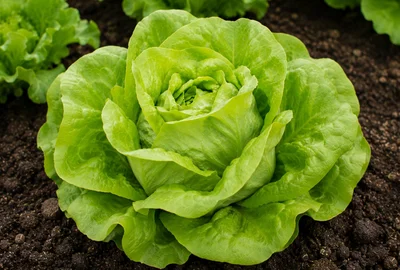
The classic British lettuce — soft, rounded heads with buttery, tender inner leaves. The easiest type to grow and the fastest to heart up. Reliable performers across all UK conditions and seasons.
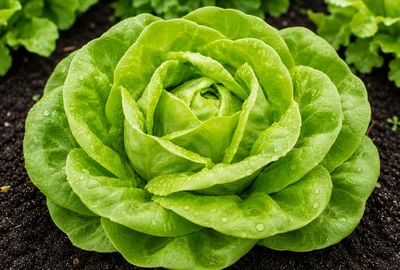
Butterhead 1
Butterhead · Green
Reliable green butterhead producing well-rounded, firm hearts with tender pale inner leaves. Fast to mature and tolerant of variable conditions. Excellent for successional sowings from March to July.
- Beginners
- Direct Sow
- Successional

Butterhead 2
Butterhead · Bronze
Striking bronze-edged butterhead with the same soft, rounded head structure. The red-bronze colouring intensifies in full sun. Adds colour to the salad bed and the bowl. Equally reliable as a green butterhead.
- Ornamental
- Direct Sow
- Successional
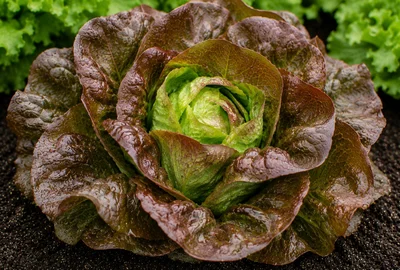
Butterhead 3
Butterhead · Red
Deep red-burgundy butterhead with a vivid green centre. Rich colour throughout the outer leaves with characteristic butterhead tenderness. A dramatic and productive variety for summer growing.
- Ornamental
- Direct Sow
- Successional
🌿 Cos & Little Gem
Upright, crisp-ribbed lettuces with a firm central heart. Cos varieties are tall and stately; Little Gem is a compact hybrid with outstanding flavour and reliability. All three carry strong garden performance.

Cos 1
Cos · Full-Sized
Classic upright cos lettuce with long, crisp, ribbed leaves and a firm pale heart. Strong flavour and satisfying crunch. Tall plants to 30cm needing 30cm spacing. The essential Caesar salad lettuce.
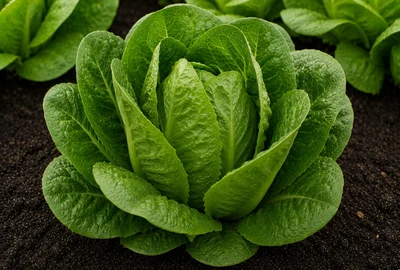
Cos 2
Cos · Compact
Compact cos variety producing shorter, denser heads than full-sized types. Ideal for raised beds and closer spacing at 20cm. Good resistance to bolting. Reliable flavour and crisp texture.
- Direct Sow
- Compact
- Raised Bed
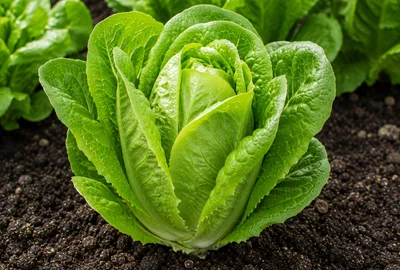
Little Gem
Cos · Little Gem
The most popular lettuce in British gardens. Small, tight, sweet-hearted cos heads with crisp ribs and outstanding flavour. Fast to mature — ready in as little as 8 weeks from sowing. Excellent for containers and successional growing.
- AGM
- Beginners
- Containers
- ⭐ Flavour
- Classic
🍃 Loose-Leaf & Cut-and-Come-Again
Non-hearting lettuces where outer leaves are picked repeatedly over many weeks. The most productive type per plant and ideal for continuous harvesting. Pick from the outside, leaving the centre to keep growing.

Loose-Leaf 1
Loose-Leaf · Green Frilly
Bright lime-green, densely frilled loose-leaf variety. Highly productive cut-and-come-again type — pick outer leaves and the plant regrows quickly. Mild, fresh flavour. One of the fastest loose-leaf types to produce pickable leaves.
- Beginners
- Cut-and-Come-Again
- Containers
- ⭐ Yield
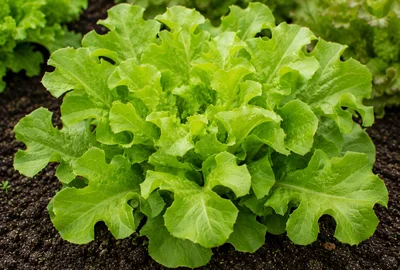
Loose-Leaf 2
Loose-Leaf · Green Batavia
Batavia-type loose-leaf with broad, slightly crinkled bright green leaves. Slower to bolt than many loose-leaf types in warm weather. Excellent flavour — crisper texture than a typical loose-leaf. Very productive over a long picking season.
- Direct Sow
- Bolt Resistant
- Cut-and-Come-Again
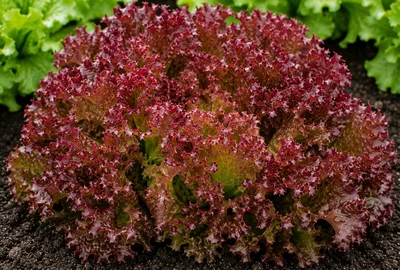
Loose-Leaf 3
Loose-Leaf · Red
Deep red loose-leaf variety with intensely coloured, ruffled leaves. Dramatic in the garden and on the plate. Cut-and-come-again over many weeks. Colour deepens in full sun.
- Ornamental
- Cut-and-Come-Again
- ⭐ Wow Factor
🧊 Iceberg & Crisphead
Tight, dense-headed lettuces with crisp, crunchy leaves and a firm heart. Iceberg types need more space and a longer growing season than butterheads but deliver outstanding texture. Excellent for summer production.
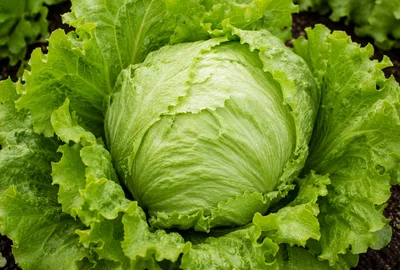
Iceberg 1
Iceberg · Classic
Classic iceberg type producing tight, firm, pale-green heads with characteristic crunch. Needs consistent watering to prevent tipburn. Allow 30cm between plants. Ready in 10–12 weeks from transplanting.

Iceberg 2
Crisphead · Green
Dense crisphead type — tighter and slightly smaller than a full iceberg but with excellent crunch and a longer growing season. Good resistance to bolting. Reliable summer variety for UK conditions.
- Direct Sow
- Bolt Resistant
- Summer
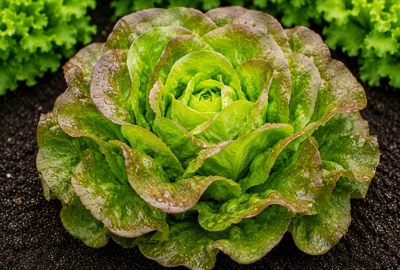
Iceberg 3
Crisphead · Red
Red-tinged crisphead combining the crunchy texture of an iceberg with dramatic colouring. Unusual and decorative in the kitchen garden. Firm heart with vibrant outer leaves. A striking alternative to standard green iceberg.
- Ornamental
- Direct Sow
- Crisp
- ⭐ Wow Factor
04 Where to Source
Lettuce plants and seeds are widely available through garden centres, online seed companies, and seed libraries. Plants are available as plugs from late March; seeds from January. For the widest variety choice including heritage and unusual types, specialist online seed companies are the best source. Garden centres carry reliable mainstream varieties as seed packets from January and plug plants from March — an excellent option if you miss the early sowing window.
🏪 Garden Centres
Garden centres stock young lettuce plug plants through spring and summer — a quick way to fill gaps or get a head start if you missed a sowing window. Seed still offers by far the widest choice of varieties and colours.
Timing tip: Order seeds in January and February. Popular varieties sell out quickly. Garden centres and markets are a reliable backup from April onwards.
05 Planting Options
🌿 Open Ground
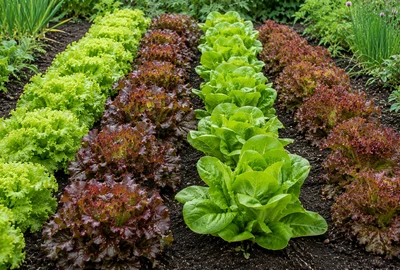
The standard method. Prepare a fine, firm seedbed with good moisture retention. Sow direct in shallow drills 1cm deep, 30cm apart, and thin to final spacing when seedlings are large enough to handle — or transplant indoor-raised seedlings. Lettuce roots are shallow so soil needs to hold moisture without waterlogging.
Suitable varieties: All varieties. Best for succession plantings through spring and summer.
🪵 Raised Bed
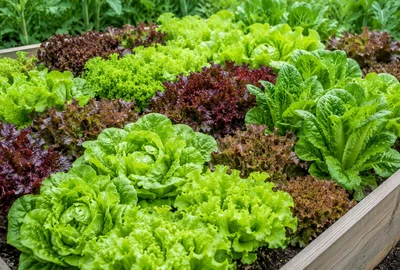
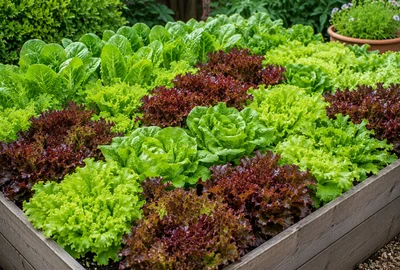
Raised beds are ideal for lettuce — the improved drainage, warmer soil, and easy access suit the crop perfectly. Interplant between slower-growing brassicas or squash to make use of space. Loose-leaf types grown at closer spacing (15cm) give a continuous harvest from a small area.
Suitable varieties: All types. Especially productive for cut-and-come-again varieties.
🪴 Containers & Pots
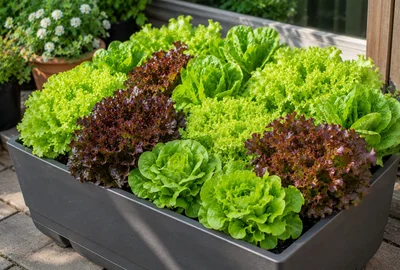
Lettuce is one of the best crops for containers. Use a trough at least 20cm deep and fill with good multipurpose compost. Cut-and-come-again and Little Gem types are particularly well suited. A 60cm trough will support 4–6 plants. Water daily in warm weather — containers dry out quickly.
Suitable varieties: All types, especially loose-leaf, Little Gem, and compact butterhead.
06 Companion Planting
✅ Grow nearby

A classic combination. Carrots and lettuce make excellent use of the same bed — lettuce matures quickly and is cleared before carrots need the full space. Interplanting at the row edges is particularly effective.

Fast-maturing radishes sown between lettuce rows are harvested well before the lettuce needs the space. The combination also helps break up the soil surface, reducing capping around shallow lettuce roots.

Lettuce grown as ground cover between strawberry plants makes efficient use of space and helps suppress weeds. The lettuce benefits from the light shade of strawberry foliage in midsummer.
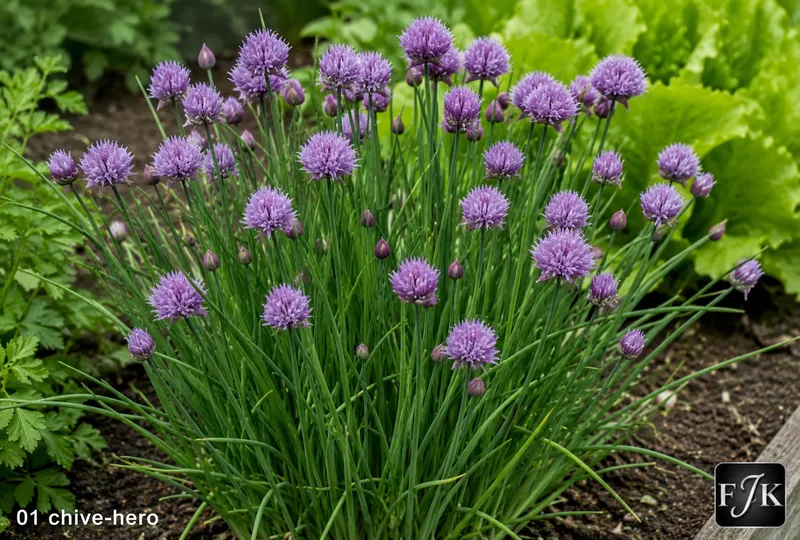
Chives are said to repel aphids and improve the vigour of nearby plants. Growing around the edges of a lettuce bed is a traditional kitchen garden combination.
❌ Keep apart
- 🥬 Celery — Celery and lettuce compete strongly for water and nutrients when planted in close proximity. Keep at least 60cm apart or in separate beds.
- 🌿 Parsley — Parsley is thought to inhibit lettuce germination when grown nearby. Sow in separate areas of the bed or plot.
- 🌿 Fennel — Fennel is allelopathic to most vegetables including lettuce. Keep fennel well away from all salad crops.
07 Sowing — How To
Lettuce is one of the most flexible crops to sow — indoors from February, or direct outdoors from March once the soil reaches 7°C. The key to a continuous supply is little-and-often sowing: a short row or half-tray every 2–3 weeks gives a steady harvest rather than a feast-and-famine glut. Lettuce seed is tiny and needs only the shallowest covering.
Prepare the tray
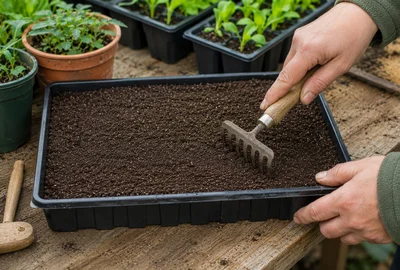
Fill a seed tray or modules to within 1cm of the rim with fine seed compost. Firm lightly and water gently before sowing. The surface should be level and evenly moist.
Sow the seeds
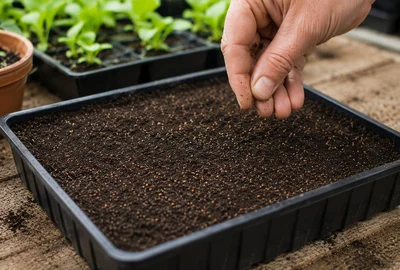
Sprinkle seed thinly across the surface of the tray, or place 3–4 seeds per module. Lettuce seed is very fine — mix with dry sand for more even distribution if sowing in trays.
Cover lightly
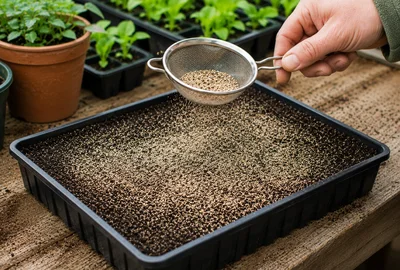
Sieve a very thin layer of fine compost or vermiculite over the seeds — no more than 2–3mm. Lettuce needs light to germinate well; deep covering inhibits germination.
Water gently
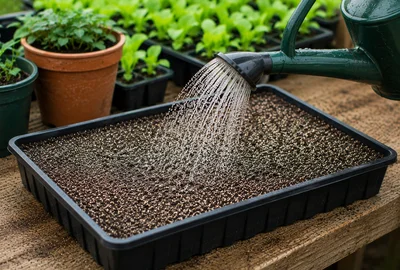
Water with a fine rose or mist. Avoid disturbing the surface. Keep the compost consistently moist but not waterlogged throughout germination.
Thin the seedlings
When seedlings are large enough to handle, thin to one per module or to 5cm spacing in the tray. Remove weakest seedlings cleanly at soil level with scissors rather than pulling.
Transplant out
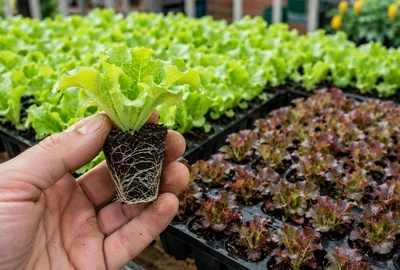
Transplant when seedlings have 3–4 true leaves, usually 3–4 weeks after sowing. Firm in well, water thoroughly, and keep moist for the first week while roots establish.
Regional sowing timing| Region | Sow / plant | Harvest | Notes |
|---|
| Scotland & Far North | Mar–May | Jun–Sep | Fleece or cloche protection recommended for early and late crops · Mar – mid-May (direct); Feb–Apr (indoor) |
|---|
| Northern England | Mar–Jun | May–Sep | Successional sowing every 3 weeks from March · Mar – Jun (direct); Feb–May (indoor) |
|---|
| Midlands & Wales | Feb–Jul | Apr–Oct | Avoid peak heat of July — sow in evening, water in · Feb – Aug (direct); Feb–May (indoor) |
|---|
| Ireland & Isle of Man | Feb–Jul | Apr–Oct | Avoid peak heat of July — sow in evening, water in · Feb – Aug (direct); Feb–May (indoor) |
|---|
| South & SE England | Feb–Aug | Apr–Oct | Long season with successive sowings; autumn sowing under cover · Feb – Aug (direct); Feb–May (indoor) |
|---|
| South Coast & SW | Feb–Aug | Apr–Nov | Earliest outdoor sowings; fleece extends to November · Feb – Sep (direct); Feb–May (indoor) |
|---|
08 Soil Requirements
- pH
- 6.0–7.0
- Best
- Loam, Sandy loam
- Tolerates
- Clay loam, Sandy
- Avoid
- Waterlogged, Very poor
💡 Moisture-retentive, fertile soil. Tolerates light shade and most soils.
09 Ongoing Care
💧 Watering
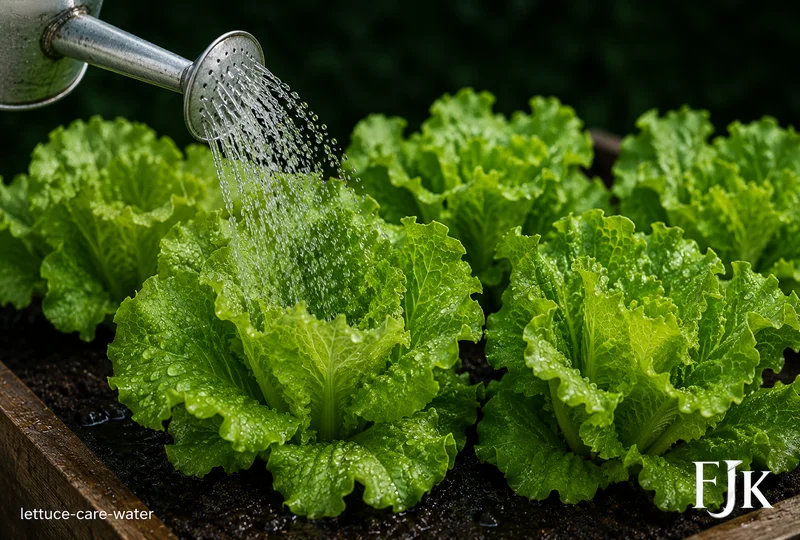
Lettuce is shallow-rooted and feels drought stress almost immediately. Water little and often rather than in infrequent heavy doses — the goal is consistently moist soil, never waterlogged and never dry. In warm weather, water in the morning rather than the evening to reduce slug activity at night and avoid wet foliage overnight which encourages mildew. Containers need daily watering in summer. Irregular watering is the main cause of bolting and bitter-tasting leaves.
✂️ Thinning & Spacing
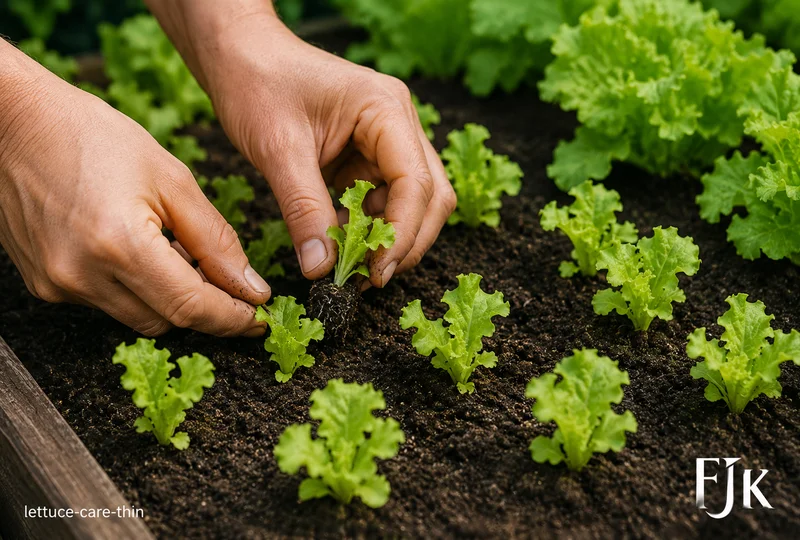
Thin seedlings early and without hesitation — crowded plants bolt quickly and produce drawn, bitter leaves. Thinnings are entirely edible and make excellent salad leaves in their own right. For hearting types (butterhead, cos, iceberg), thin to final spacing (25–30cm) in two stages: first to 10cm, then to final distance once plants are established. For loose-leaf types, 15cm is sufficient. Never pull thinnings — cut at soil level to avoid disturbing neighbouring roots.
🪲 Pest Protection
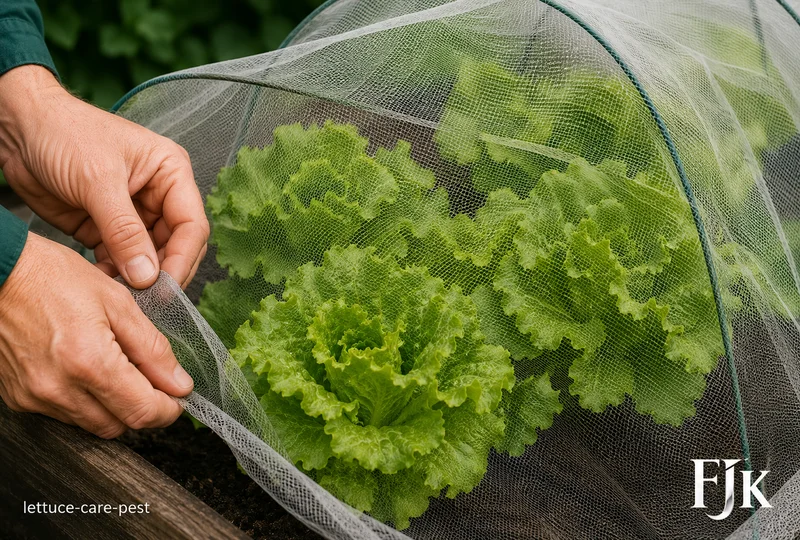
Slugs are the primary threat to lettuce, particularly to young transplants and seedlings. Use nematode drench at planting and again after 6 weeks. Flea beetle creates distinctive small round holes in leaves during hot, dry spells — covering with fine insect mesh from the start is the most effective prevention. Aphids cluster in the hearts of cos and iceberg types from June; check weekly and blast off with water. Downy mildew appears as pale patches on upper leaves with grey fuzz beneath in wet conditions — improve spacing and airflow and remove affected leaves promptly.
10 Watch Out For
WarningSlugs are the single biggest threat to lettuce — a single night can destroy an entire planting of young transplants. Use nematode drench at planting and repeat after 6 weeks. Flea beetle creates small round holes in leaves in hot dry weather; fine insect mesh from planting prevents this entirely. Downy mildew appears as pale patches on upper leaves with grey fuzz beneath in wet, cool conditions — remove affected leaves immediately and improve spacing. Lettuce aphids cluster in the hearts of cos and iceberg types from June; check weekly and deal with early infestations promptly.
🐛 Insects & pests
- 🐌 Slugs & Snails — Silver slime trails on leaves, soil, and pots — often the first sign before damage is found
- 🐜 Aphids (Blackfly & Greenfly) — Curled, distorted, or stunted growing tips — aphids inject saliva that causes leaf curl to protect them
🍄 Diseases to watch
- 🔵 Downy Mildew — Downy mildew is caused by oomycetes (water moulds) and is completely unrelated to powdery mildew despite the similar name. It thrives in cool, wet, humid conditions and is most damaging in spring and autumn. Each host plant has its own specific downy mildew species. Lettuce downy mildew can destroy an entire bed within days in the right conditions.
- 🩶 Botrytis (Grey Mould) — Botrytis cinerea (grey mould) is the most ubiquitous fungal pathogen in temperate gardens — present in virtually every garden soil and on plant debris. It becomes a disease only when conditions favour it: cool, humid, poorly ventilated environments with damaged or senescent plant tissue. In a greenhouse in autumn it can destroy an entire tomato or grape crop.
- ⬜ Sclerotinia (White Mould) — Sclerotinia sclerotiorum causes a sudden, dramatic collapse of apparently healthy plants. It produces dense white cotton-wool-like mycelium and large black resting bodies (sclerotia) that persist in soil for up to 10 years. A single severely affected bed can remain a reservoir for re-infection for a decade.
Full identification and treatment advice is in the Pests and Diseases sections.
11 Storage & Preserving
🥬 Fridge Storage
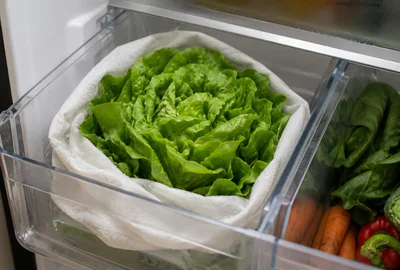
Whole heads keep best unwashed in the fridge. Wrap loosely in a damp paper towel and place in the salad drawer. Butterhead and cos types will keep 3–5 days; iceberg up to a week. Loose-leaf types are best eaten on the day of picking — they deteriorate quickly once cut. Never store lettuce next to apples, pears, or bananas — ethylene gas from ripening fruit causes rapid browning and decay.
🌞 Harvest at its Best
Pick lettuce in the morning before the heat of the day. Leaves are at their most crisp and hydrated first thing. Harvest whole heads by cutting the stem at soil level with a sharp knife. Cut-and-come-again types: take outer leaves only, never more than one third of the plant at once. Rinse in cold water immediately after picking and shake dry — this alone significantly extends crispness.
✂️ Cut-and-Come-Again
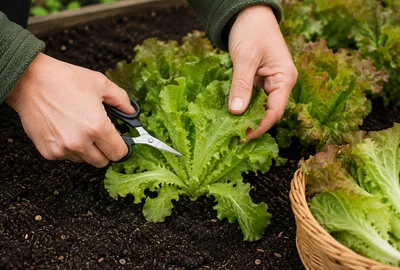
Loose-leaf and some cos varieties can be harvested repeatedly over many weeks. Cut outer leaves 2–3cm above soil level with scissors — the growing point in the centre is undamaged and the plant regrows within 7–10 days. A single planting of 6 loose-leaf plants can supply a household with fresh salad leaves for 4–6 weeks continuously.
💧 Reviving Wilted Lettuce
Wilted lettuce leaves can almost always be revived. Submerge the leaves in a bowl of ice-cold water for 15–20 minutes — the cells rehydrate and the leaves firm up dramatically. Spin dry thoroughly before use. This works particularly well for cos and loose-leaf types. Whole heads that have become limp in the fridge can be revived by trimming the base and standing in 2cm of cold water for 30 minutes.
12 Expert Tips
💡 Chill seed for summer sowings
Lettuce seed enters thermodormancy above 25°C and will not germinate reliably in midsummer heat. For July and August sowings, pre-chill the seed packet in the fridge for 48 hours, then sow in the evening after the soil has cooled. Water in with cool water. This is the single most effective trick for maintaining summer succession.
💡 Four plants a fortnight
Sow little and often — a half-tray or a short row every 2–3 weeks gives continuous leaves through the season. A single sowing of 12 plants all mature at once is a glut. Four plants every fortnight is a salad every day.
💡 Water in the morning
Consistent moisture is essential. Irregular watering — wet then dry then wet — is the primary cause of bolting and bitter leaves. In hot weather, water in the morning rather than the evening to reduce slug damage at night and avoid mildew on overnight-wet foliage.
💡 Interplant with slower crops
Interplant lettuce between slower crops — between young brassicas, along the edges of squash beds, or in the gaps between leeks. Lettuce matures and is harvested before the companion crop needs the space. This intercropping approach is one of the most efficient ways to use a kitchen garden bed.
13 Common Mistakes
⚠ Sowing & Succession
- Sowing too thickly and not thinning — crowded plants bolt early and produce bitter drawn leaves; thin without hesitation as thinnings are edible
- Sowing all in one go — a dozen plants maturing at once is a glut; sow a short row or half-tray every 2–3 weeks for continuous harvest
- Sowing in peak summer heat without pre-chilling seed — lettuce enters thermodormancy above 25°C; chill seed for 48 hours and sow in the evening
⚠ Ongoing Care
- Letting the soil dry out — lettuce is shallow-rooted and feels drought stress quickly; water little and often rather than in infrequent heavy doses
- Leaving plants too long without harvesting — hearting types split and loose-leaf types bolt within days in warm weather; harvest promptly and cut regularly
- Not protecting from slugs — young transplants and seedlings are devastated overnight; nematodes at planting and fine mesh are both essential