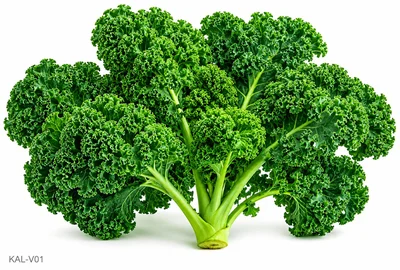
Dwarf Green Curled
Curly Green
The traditional British allotment kale. Compact, very hardy, and reliable. Excellent flavour after frost. The benchmark for curly kale.
- Beginners
- Hardy
Brassica oleracea (Acephala)
The most nutritious and cold-hardy crop you can grow. Kale soldiers on through the coldest winters and actually improves with frost. Available in curly green, flat Cavolo Nero, and red types, it fills the hungry gap from October through to March when little else is growing. A true allotment workhorse that deserves a place in every UK kitchen garden.
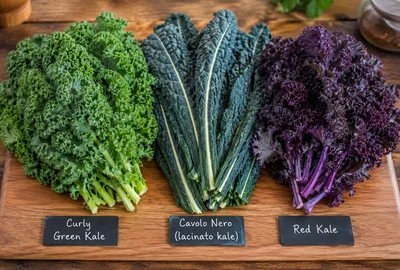
Kale divides into three main types. Curly green kale — the classic allotment variety — produces dense, tightly frilled leaves and is the hardiest of all. Cavolo Nero (Tuscan or Black kale) has long, dark, pebbled leaves with an earthy, rich flavour that is outstanding braised or in soups. Red kale varieties add colour to the plot and have a milder, sweeter taste excellent raw in salads. All three are highly productive, harvesting continuously from a single plant from October through to March.
The number of varieties shown for each crop is based on UK consumption data (2025/26) — the more popular the crop, the more variety choices we include.
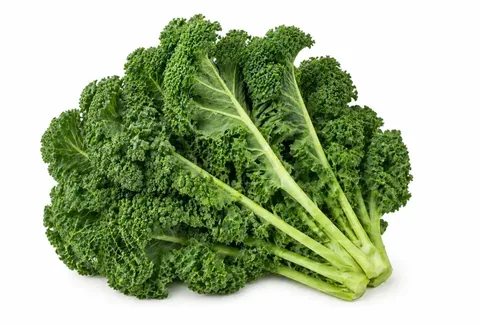
The classic British allotment kale. Tightly frilled leaves, very hardy, and productive from October to March. Real-life photography.
The traditional British allotment kale. Compact, very hardy, and reliable. Excellent flavour after frost. The benchmark for curly kale.
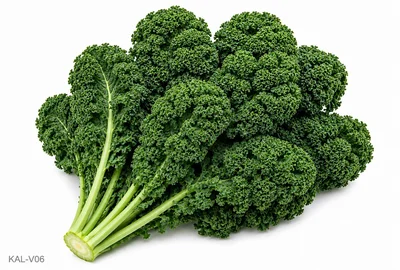
Very uniform, tightly curled dark green leaves. Strong upright habit and excellent mildew resistance. Good for successional picking over a long season.
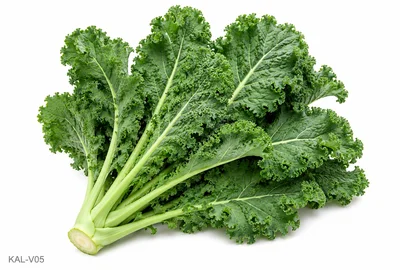
Tall, vigorous curly kale with very high yields. Outstanding frost hardiness — one of the best for overwintering in exposed northern plots.
Elegant dark blue-green leaves with a rich, earthy flavour. Outstanding in soups and braised dishes. Real-life photography.
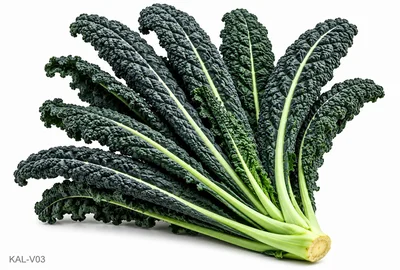
The definitive Italian kale. Long, dark, pebbled leaves with exceptional depth of flavour. Best picked young for salads or braised for soups.
More uniform than open-pollinated Cavolo Nero with heavier yields. Dark, deeply blistered leaves. Excellent bolt resistance and a long cropping season.
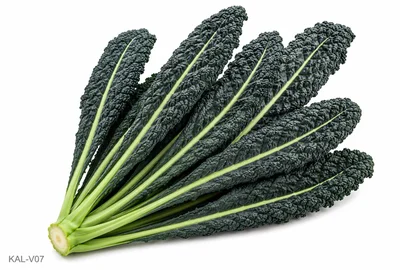
Heritage Italian variety with very dark, strap-like leaves. Superb flavour when braised or added to ribollita. A staple of Italian cucina povera.
Striking colour in the kitchen garden and on the plate. Milder flavour than green types — excellent raw in salads. Real-life photography.
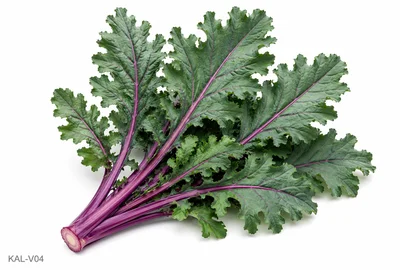
Flat, lobed leaves with purple stems and a mild, sweet flavour. One of the best kales for raw use in salads. Less hardy than curly types but very productive.
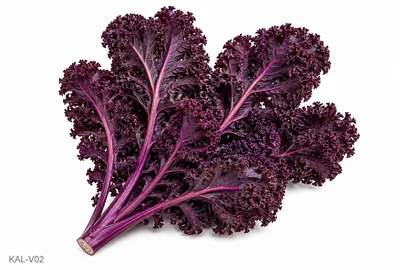
Deeply frilled, rich purple leaves that are highly ornamental as well as delicious. Very hardy and productive. One of the most striking brassicas in the winter garden.
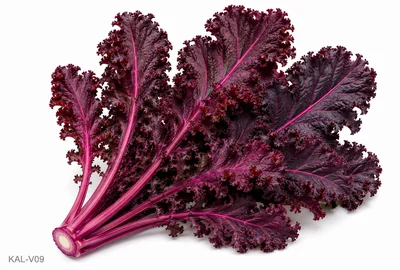
Compact red kale with good cold hardiness. Produces from October onwards. Colour intensifies after frost. Works well in mixed plantings and smaller gardens.
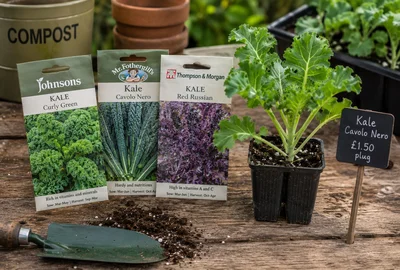
Kale seed is among the most affordable and widely available vegetable seed in the UK. Online seed companies carry the fullest range including heritage varieties. Garden centres stock plug plants from April, which are useful if sowing time has passed. Market stalls often sell all three types as plugs in spring.
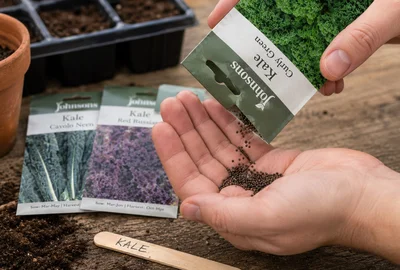
Seed offers by far the widest choice of kale types — curly, Cavolo Nero, Red Russian, and more — and is cheap enough to try several varieties in one season.
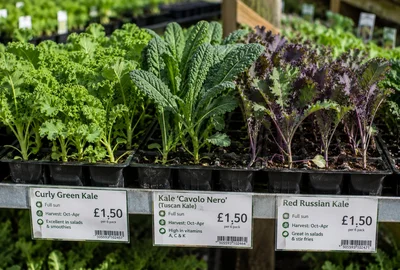
Garden centres stock young kale plug plants from mid-spring, a convenient option if you missed the sowing window or only need a handful of plants.
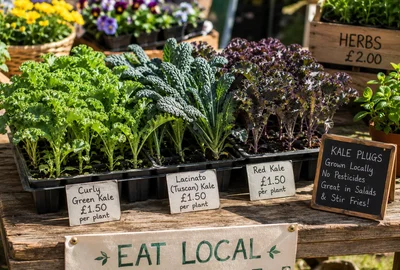
Local nurseries and market stalls often sell kale as sturdy young plants alongside other brassicas, a good option for a small number of ready-to-plant seedlings.
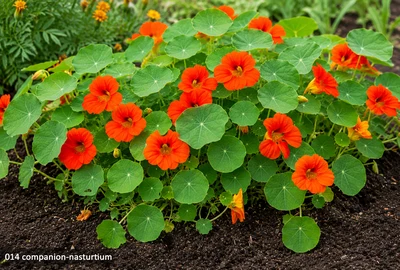
Trap crop for cabbage white butterflies and aphids. Nasturtiums planted at the bed perimeter draw egg-laying butterflies away from the kale plants. Check nasturtiums regularly for caterpillars.
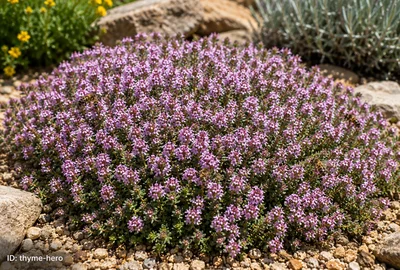
Thyme planted near kale is said to deter cabbage white butterfly. Its aromatic oils may confuse egg-laying females and reduce pest pressure across the brassica bed.
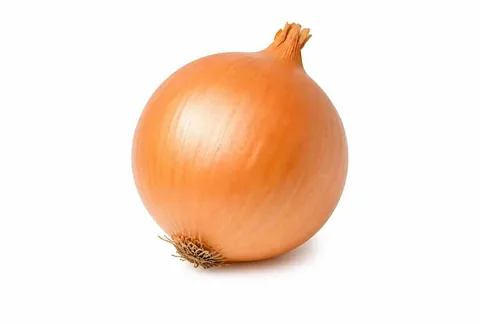
Onions and brassicas grow well as neighbours — onion scent may help deter aphids and cabbage white butterflies from settling on nearby kale plants.
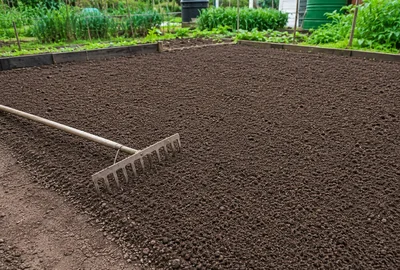
Rake a fine, level seedbed or fill modules with seed compost. Kale is unfussy but prefers firm, fertile soil with good moisture retention.
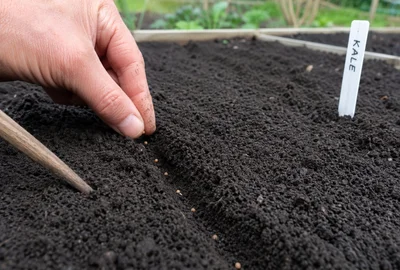
Sow two seeds per station at 1cm depth, 15cm apart in a seedbed. In modules, one seed per cell. Germination in 5–7 days at 15–20°C.
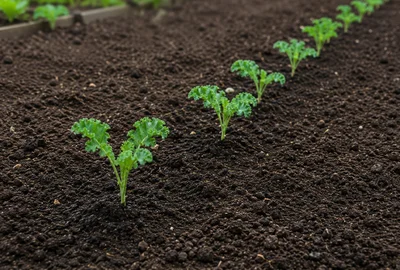
Thin to the strongest seedling once both have germinated. Grow on in the seedbed or modules until plants reach 10–15cm.
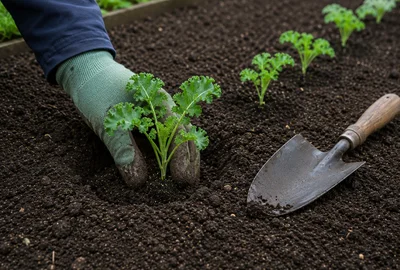
Plant out at 45–60cm spacing. Firm the soil well around each plant — stability is critical for overwintering kale.
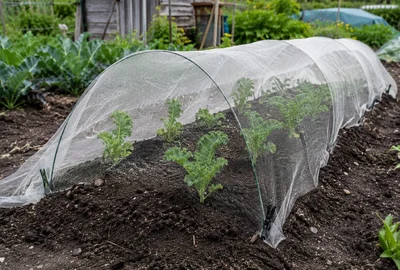
Pigeons are the number one threat. Net immediately after transplanting with fine mesh held clear of the leaves. Keep nets in place throughout the season.
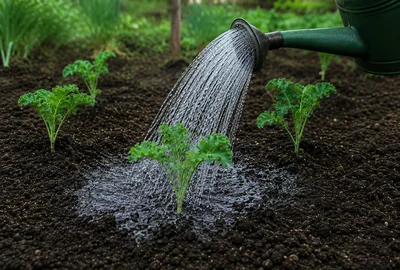
Water in well after planting. A mulch of compost or bark helps retain moisture and suppresses weeds through the growing season.
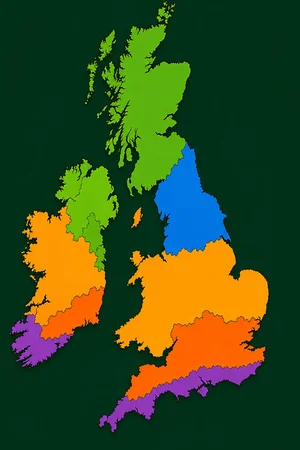
| Region | Sow / plant | Harvest | Notes |
|---|---|---|---|
| Scotland & Far North | Apr–Jun | Oct–Mar | Direct sow or modules from April. Hardy enough for all Scottish gardens. · Apr – early Jun |
| Northern England | Apr–Jun | Oct–Mar | Direct sow from April. Transplant by late June for winter harvest. · Apr – Jun |
| Midlands & Wales | Apr–Jun | Oct–Mar | April sowings give the longest cropping season from October onwards. · Apr – Jun |
| Ireland & Isle of Man | Apr–Jun | Oct–Mar | April sowings give the longest cropping season from October onwards. · Apr – Jun |
| South & SE England | Apr–Jun | Oct–Mar | Sow by late June. Later sowings still crop well but for a shorter season. · Apr – Jun |
| South Coast & SW | Apr–Jun | Oct–Mar | Sow by late June. Mild winters allow near year-round harvest. · Apr – Jun |
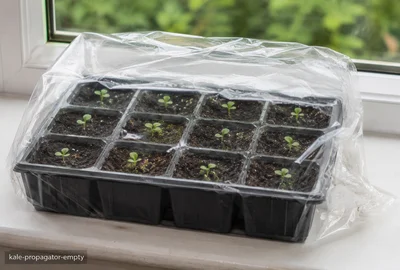
Kale germinates readily at cool temperatures and does not need a heated propagator. A lidded seed tray on a windowsill or in a cold frame is sufficient. Kale sown with artificial heat often produces drawn, weak seedlings — cool, steady conditions produce stronger plants.
Not required for kale. If you do use a heated propagator, set it to no more than 15°C and remove seedlings to a cooler spot as soon as they germinate. Excess heat at this stage produces leggy growth that never fully recovers.
The right choice for kale. A lidded tray placed in a cold frame, unheated greenhouse, or sheltered windowsill gives reliable germination in 5–7 days from April onwards. No additional warmth is needed.
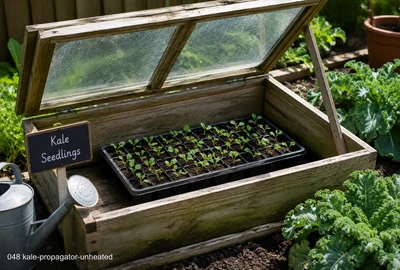
Standard unheated propagator — A lidded seed tray traps warmth and humidity around germinating seeds without electricity. Performance depends entirely on room temperature — best placed on a warm windowsill and used from March onwards. Replace the lid promptly after watering. Remove it completely the moment seedlings emerge to prevent damping off.
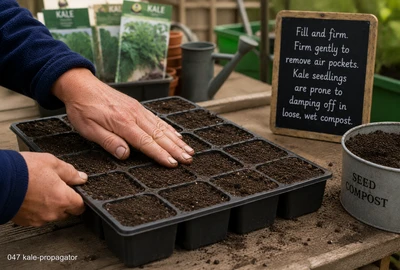
Fill modules or a seed tray with fresh seed compost. Firm gently to remove air pockets — kale seedlings are prone to damping off in loose, wet compost.
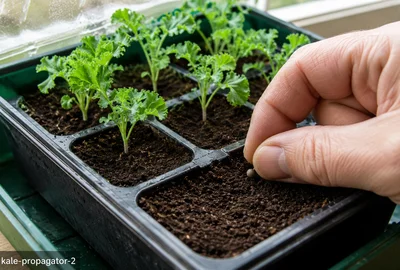
Press one seed per module to 1cm depth. In an open tray, sow thinly in rows 2–3cm apart. Cover lightly with compost and water with a fine rose.
Set the tray in a cold frame, unheated greenhouse, or on a sheltered windowsill. Close the lid at night. No additional heat needed.
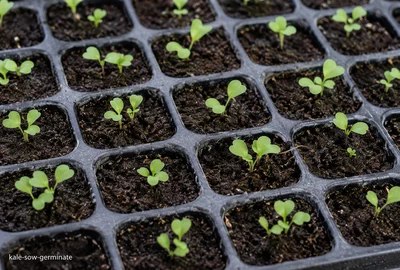
Kale germinates in 5–10 days at 10–15°C. Once seedlings are through, prop the lid open slightly during the day to improve air circulation and reduce damping off risk.
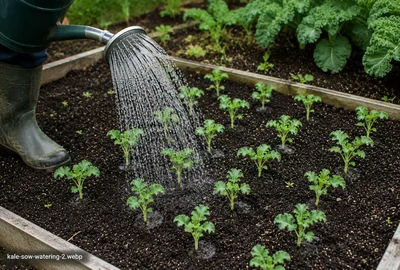
Water regularly through the first few weeks after transplanting. Once established, kale is remarkably drought tolerant but benefits from a thorough soaking during dry spells in summer.
Apply a balanced granular fertiliser at planting. A nitrogen-rich liquid feed in mid-summer encourages the lush leaf growth that makes kale so productive.
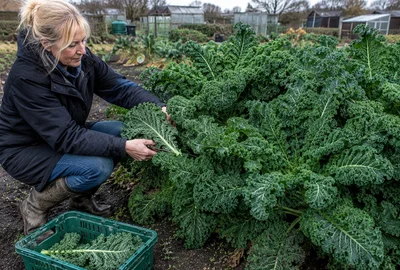
Pick outer leaves from October onwards, working from the bottom of the plant upwards. Never remove the growing tip — it produces new leaves all season. Flavour genuinely improves after the first hard frosts.
Pigeons are the single biggest threat to kale. A bed left unnetted can be stripped overnight. Use fine mesh netting supported well clear of the leaves — birds will peck through netting that rests directly on the plants.
Full identification and treatment advice is in the Pests and Diseases sections.
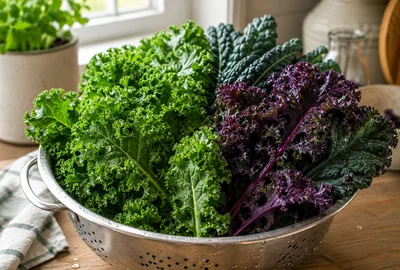
Freshly cut kale keeps for up to 5 days in the fridge. Store unwashed in a sealed bag or container. Wash just before use.
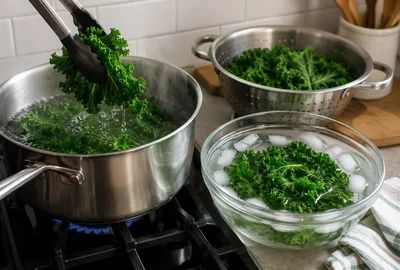
Blanch leaves for 2 minutes in boiling water, plunge into ice water, drain and freeze in portions. Frozen kale is excellent for soups, stews, and smoothies.
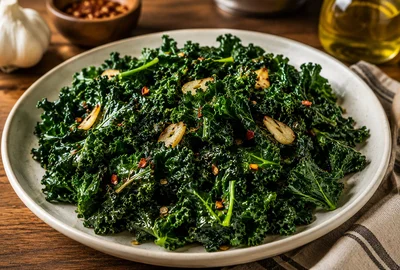
Kale is best cooked simply — sautéed in olive oil with garlic, or blanched and added to soups and pasta. Massage raw kale with oil to soften it for salads.
Sow a second batch in June for late-season plants that will produce right through until March. Succession sowing gives you a longer, more reliable harvest window.
Leave a few plants to flower in spring — the yellow flowers are edible and attract beneficial insects early in the season when little else is in bloom.
After the main stem is cut, side shoots will often regrow and provide a second flush of tender leaves in spring. Do not pull plants too early.