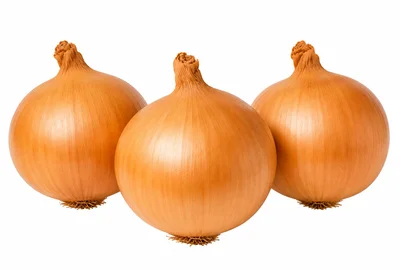
Sturon
Main Crop · Sets
The most widely grown onion variety in UK gardens and allotments. Round, firm, golden-brown bulbs with excellent keeping quality. Stores reliably until March. The benchmark main-crop set onion.
- Sets
- AGM
- Beginners
- Long Storage
Allium cepa
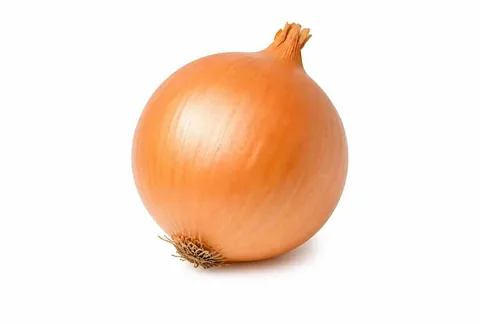
Onions are the foundation of almost every savoury dish in British cooking, and growing your own from sets is one of the easiest and most reliable crops available. Push sets into firm soil in March, water occasionally, and lift golden-skinned bulbs in July and August. They store for months in a cool dry place, giving you onions all the way through to the following spring. Grown from seed, onions require more patience but offer access to a much wider range of varieties — including the sweet, mild types and deep red forms that transform a salad.
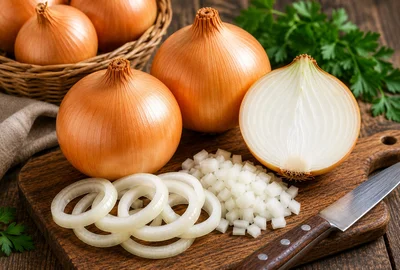
Onions fall into three groups — main-crop bulbing onions grown from sets or seed, Japanese overwintering onions planted in autumn for an early summer harvest, and red onions which are milder, sweeter, and spectacular in salads. Within main-crop types, skin colour ranges from golden-brown through straw-yellow to white. Size, skin texture, flavour intensity, and storage life all vary significantly by variety. The simplest choice for most UK growers: a reliable golden main-crop variety from sets for bulk storage, supplemented with a red variety from sets for fresh use.
The number of varieties shown for each crop is based on UK consumption data (2025/26) — the more popular the crop, the more variety choices we include.
The backbone of the UK kitchen garden — golden set onions for the main-season crop. Easy, reliable, and widely available. Plant in spring, harvest in late summer. White background images.
The most widely grown onion variety in UK gardens and allotments. Round, firm, golden-brown bulbs with excellent keeping quality. Stores reliably until March. The benchmark main-crop set onion.
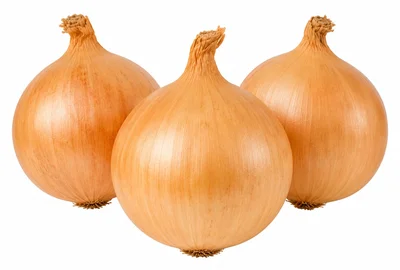
The most popular F1 main-crop set onion. Early to mature, high-yielding, excellent skin finish. Good disease resistance. Stores well into late winter. More consistent bulb size and better bolt resistance than traditional sets.
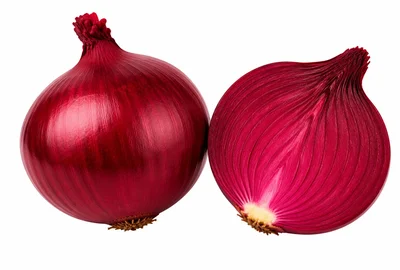
Traditional flattened-globe German variety widely available as sets. Good yields, strong-flavoured, and one of the oldest and most reliable set onions. Excellent keeping quality. One of the most widely grown set onions in British kitchen gardens for over 100 years.
Mild, sweet, and beautiful in salads and cooking. Less pungent than golden types. Skin colour ranges from deep burgundy to rose. White background images.
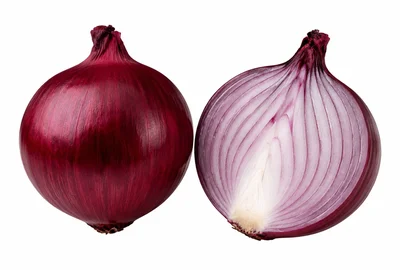
The most popular red onion for UK growing from sets. Deep burgundy-red skin and rings with a mild, sweet flavour. Good bolt resistance. Reliable yields. Stores well for a red type — up to 4 months. Excellent raw in salads and pickled.
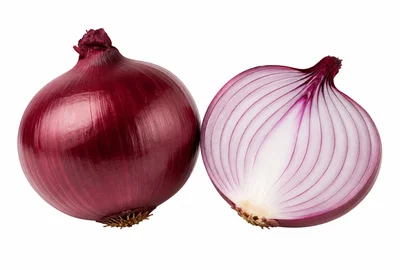
Deep red, almost mahogany skin with mild, sweet, juicy flesh. Excellent keeping quality for a red type. Can be grown from sets or seed. One of the finest red onions for both fresh use and storage.
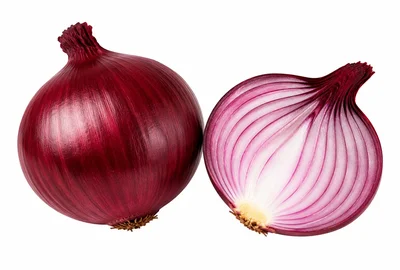
Vivid deep red skin and rings throughout the bulb — one of the most intensely coloured red onions available. Sweet, mild flavour. Grown from seed only for the finest bulb quality. Very decorative in the garden and on the plate.
Planted in autumn, harvested early the following summer before main-crop varieties are ready. Fills the hungry gap between stored onions and the new season. White background images.
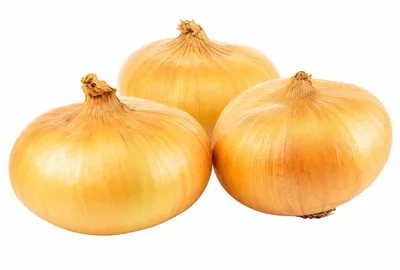
The most reliable Japanese overwintering onion from sets. Semi-flat golden bulbs ready in June — weeks ahead of spring-planted main-crop varieties. Good bolt resistance. Plant September to October for harvest June to July.
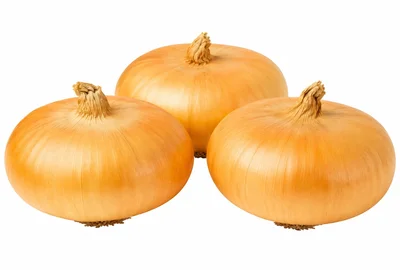
Very hardy overwintering onion from sets. Round, straw-yellow bulbs with excellent flavour. Good resistance to bolting in spring. One of the hardiest overwintering varieties — reliable even in Northern England and Scotland.
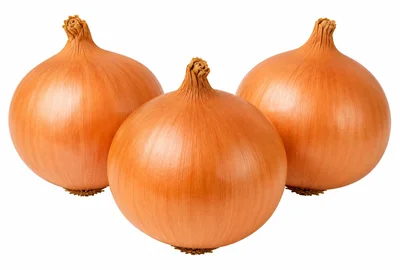
Round-globe overwintering onion with good bolting resistance. Reliable, even-sized bulbs. Plant in autumn, harvest in June. A dependable variety that performs consistently across UK regions and fills the early summer gap effectively.
Pale-skinned, mild, and sweet varieties grown from seed. Lower pungency than golden types — excellent raw, for long slow-cooking, and for those who find standard onions too sharp. White background images.
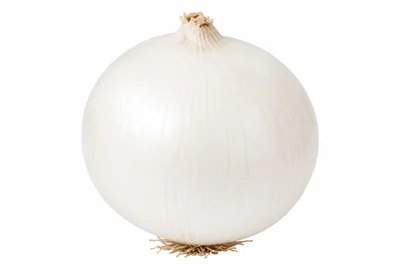
A versatile white-skinned onion grown from seed. Clean, bright white bulbs with a sweet, mild flavour. Can be harvested young as a spring/salad onion or left to develop into full-sized bulbs. Very fast-maturing — one of the quickest onions to produce a usable crop.
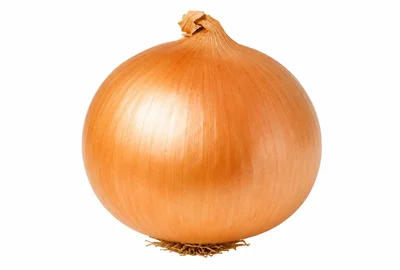
An American sweet onion from Washington State with exceptionally mild, juicy flesh and very low pungency. Large, round, pale golden bulbs. Excellent eaten raw in salads and sandwiches. Does not store as long as European varieties — best used fresh.
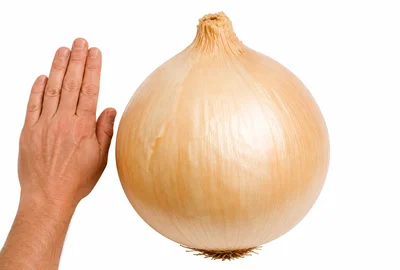
A large heritage globe onion from Germany with outstanding storage qualities — keeps in perfect condition until the following spring. Bronze-golden skin, firm flesh, strong traditional flavour. One of the finest long-keeping seed-grown onions.
Small-bulbed varieties grown specifically for pickling in malt vinegar. Tight, firm flesh that stays crisp after pickling. All grown from seed sown thickly to keep bulbs small. White background images.
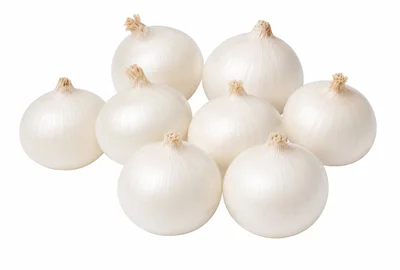
The classic British pickling onion. Small, round, silver-white bulbs with firm, crisp flesh that holds its texture beautifully in malt vinegar. Sow thickly in spring for small uniform bulbs by August. The standard variety for making pickled onions for Christmas.
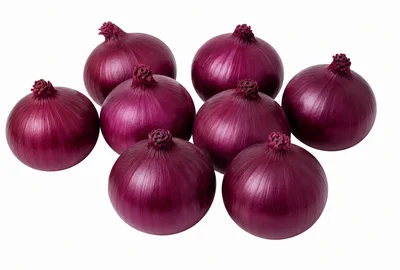
A small red-purple pickling onion with attractive deep colour that intensifies when pickled in white wine vinegar. Mild, sweet flavour. Can also be harvested very young as a spring onion. Spectacular in clear preserving jars — far more decorative than traditional silver-skin types.
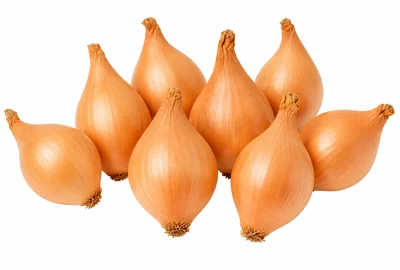
A traditional English pear-shaped pickling onion with golden-brown skin and a distinctive elongated shape. Firm flesh, strong traditional flavour. An heirloom variety grown for pickling in British kitchen gardens for generations. Excellent in spiced malt vinegar.
Large, mild, pale-golden varieties grown from seed for show or exceptional cooking. Some capable of growing to world-record weights under the right conditions. White background images.
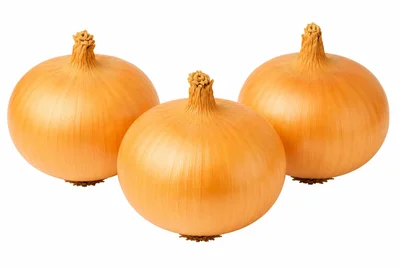
One of the most celebrated British onions. A large, round, pale golden-straw variety with exceptionally mild, sweet flesh. Grown from seed sown in January. Can reach enormous exhibition sizes. Superb for cooking — the classic French onion soup variety.
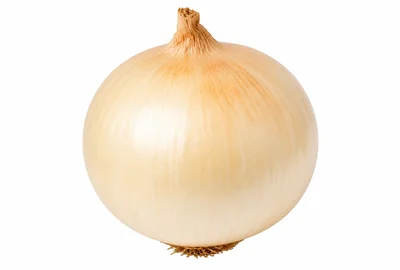
The champion British exhibition onion. A Scottish heritage variety capable of growing to record-breaking sizes over 5kg with specialist cultivation. Round, golden, with a surprisingly mild and sweet flavour. Start under glass in January for the largest bulbs.
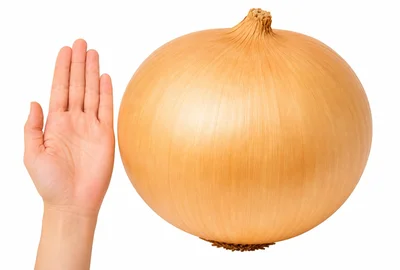
A large, round, pale-golden exhibition and kitchen onion. Reliably produces very large bulbs when grown well from an early indoor sowing. Mild flavour and good skin finish. An accessible exhibition variety without the specialist cultivation needed for Kelsae.
Classic open-pollinated seed-grown varieties with long histories in UK kitchen gardens. Wider genetic diversity than F1 types. Seed can be saved year on year. White background images.
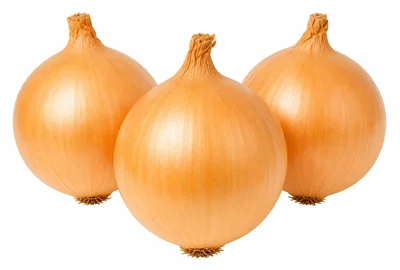
A high-yielding, early-ripening main-crop set onion. Large, round, golden bulbs that mature slightly earlier than Sturon. Excellent skin finish and good bolt resistance. An excellent choice for an early main-crop harvest.
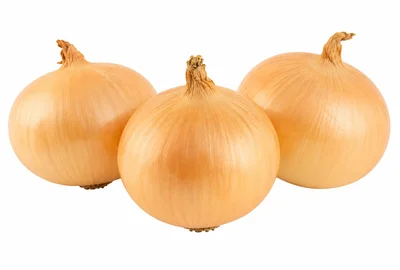
A classic Dutch heritage onion with large, round, golden-straw bulbs and excellent long-term storage. One of the best-keeping onions available. Firm flesh, strong flavour. The traditional choice for self-sufficiency growers who want to store onions through to spring.
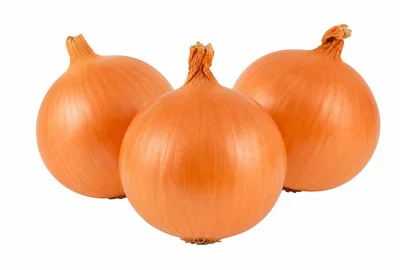
A classic globe onion grown from seed. Reliable, round, golden-brown bulbs with mild, pleasant flavour. One of the most dependable seed-grown onions for UK gardens — consistent yields, good storage, and excellent taste.
Distinctive elongated or unusually shaped onions that stand apart visually and culinarily from standard round types. Grown from seed for the finest results. White background images.
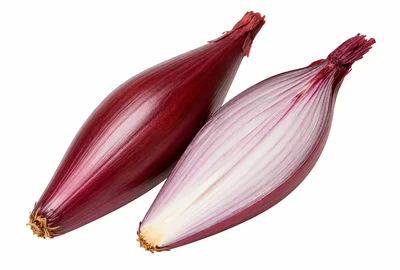
A striking Italian torpedo-shaped onion with long, elegant, deep red-purple bulbs and mild, sweet flesh. Far less pungent than standard red onions — excellent eaten raw in salads. A beautiful and decorative variety, unique on the show bench. Grown from seed only.
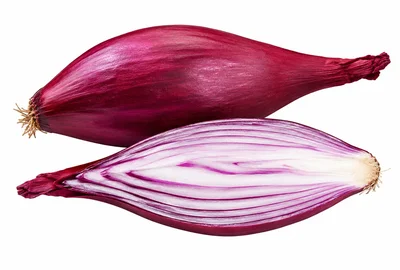
The classic Italian red torpedo onion from Calabria, with long, slender, intensely red-purple bulbs and exceptionally sweet, mild flesh. One of the finest raw-eating onions in the world. Excellent in salads, grilled whole, or caramelised. Grown from seed; needs a long season.
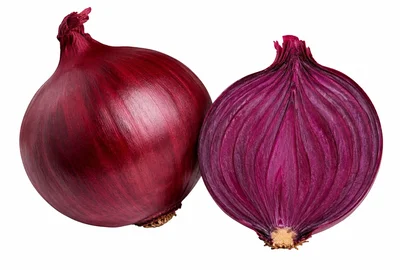
A striking Dutch heritage onion with deep blood-red skin and intensely coloured red-purple flesh right through to the core. Strong, full flavour. Beautiful in pickled jars and adds dramatic colour to cooking. One of the most vividly coloured onions available to UK growers.
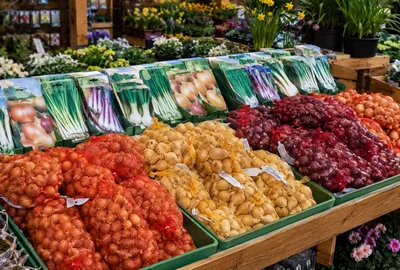
Onion sets and seeds are among the most widely available of all vegetable planting material — supermarkets, garden centres, DIY stores, and online seed companies all stock them. Sets are available from February; overwintering sets from August.

Online seed companies offer the widest variety selection, particularly for seed-grown onions where choice includes Japanese, white, and specialist sweet types unavailable as sets. Order seeds from December for January sowing. Sets are also available online in larger quantities than garden centres at competitive prices.
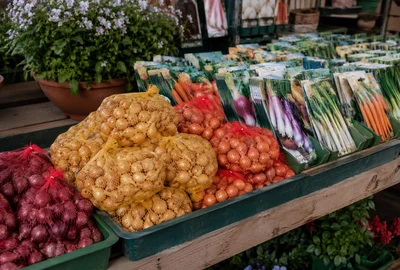
Most garden centres stock onion sets from February and overwintering sets from August. Standard varieties — Sturon, Centurion, Red Baron, Radar — are widely available. Net bags of sets are good value. Check for firm, dry sets without signs of mould or premature shooting.
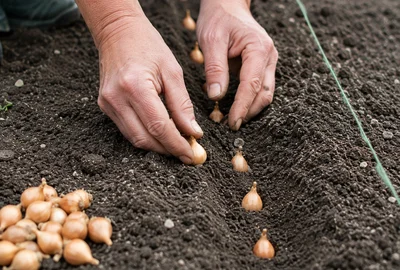
Growing from sets is by far the easiest method and gives near-guaranteed results. Sets are small immature bulbs that have been heat-treated to prevent bolting. Push sets into firm, raked soil with the tip just showing above the surface at 10cm intervals in rows 25–30cm apart. Firm each one in — birds will pull them out if they are loose. Cover with fleece for the first 2 weeks if birds are a persistent problem. Water in dry spells during establishment; once established, onions need very little water until bulbs begin to swell.
Suitable varieties: Sturon, Centurion F1, Stuttgarter Giant, Red Baron, Karmen. Any variety available as sets.
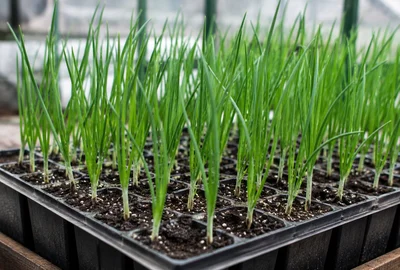
Growing onions from seed gives access to a much wider range of varieties and generally produces firmer, better-skinned bulbs than sets. Sow thinly in module trays indoors in January or February, 3–4 seeds per module. Thin to 2 per module. Plant out in April when 15–20cm tall. Alternatively, sow direct in shallow drills in March once soil temperature reaches 7°C+. Seed-grown onions need a longer growing season so an early start is important.
Suitable varieties: Electric, Karmen (seed strain), White Lisbon, and specialist varieties not available as sets.
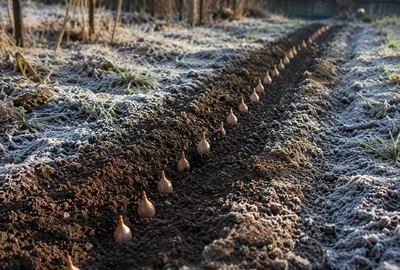
Japanese overwintering varieties are planted as sets in September and October and harvested the following June — significantly earlier than spring-planted main-crop onions. This extends the onion season and fills the hungry gap between stored winter onions and the new summer harvest. Plant at the same spacing as spring sets into firm soil. Overwintering sets are hardier than main-crop types and will survive UK winters without protection in most regions.
Suitable varieties: Senshyu Yellow, Radar, Shakespeare. Japanese overwintering varieties only.
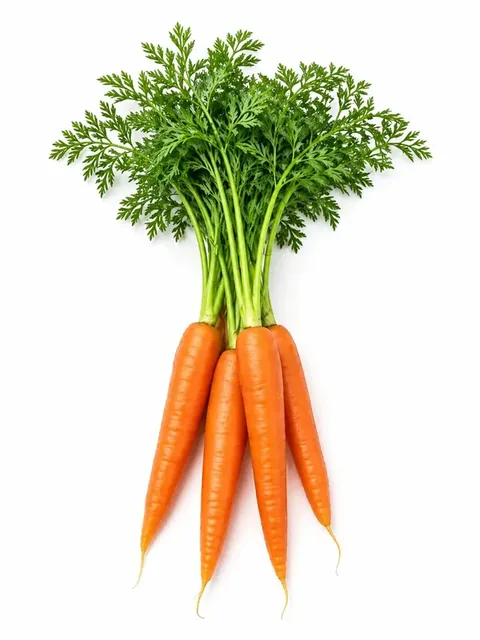
The classic companion combination. Onion scent deters carrot fly; carrot scent deters onion fly. Interplanting the two crops provides mutual protection against their respective primary pests.
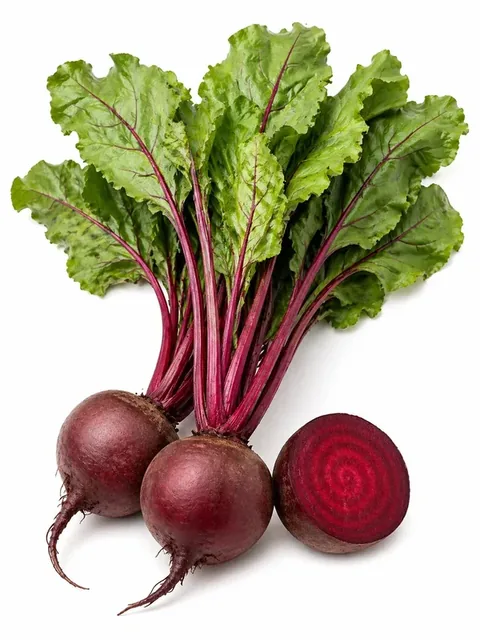
Beetroot and onions are good neighbours — both have similar space and soil requirements, and onions are thought to benefit beetroot growth when planted in close proximity.
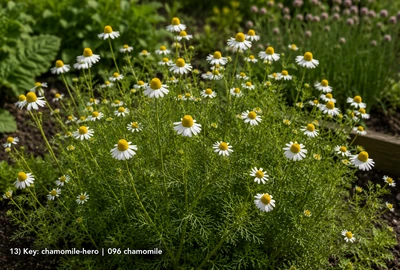
Chamomile planted near onions is said to improve their growth and flavour. The aromatic compounds in chamomile may also help deter some common pests.
Onion sets require no sowing — simply push them into prepared soil. For seed-grown onions, sow in module trays indoors from January or February, or direct into prepared soil from March when soil temperature reaches 7°C. Seeds germinate slowly at low temperatures — 2–3 weeks at 10°C, 7–10 days at 15°C.
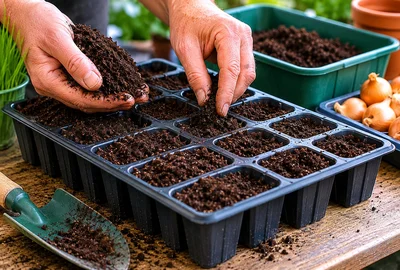
Fill module trays with peat-free seed compost. Onions can be sown 3–4 seeds per module and thinned to 2 after germination — the clump of 2 can be planted out together, producing a pair of bulbs that are easy to separate at harvest.
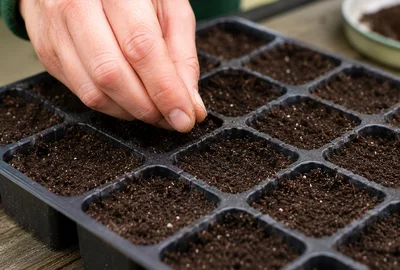
Sow 3–4 seeds per module at 1cm depth. Onion seeds are small — handle carefully and sow thinly to reduce thinning work. Label each tray with variety and date.
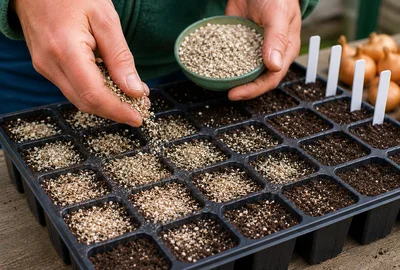
Cover with a thin layer of vermiculite. Label clearly — different onion varieties look identical as seedlings. Water gently with a fine rose.
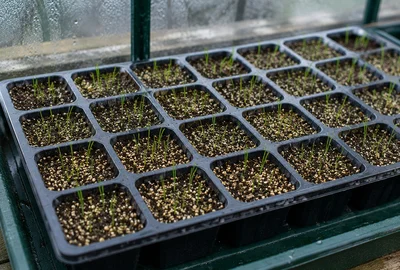
No heat required — a cool greenhouse or unheated windowsill at 10–15°C is ideal. Germination takes 10–14 days at this temperature. Avoid overheating — onions prefer cool conditions at all stages.
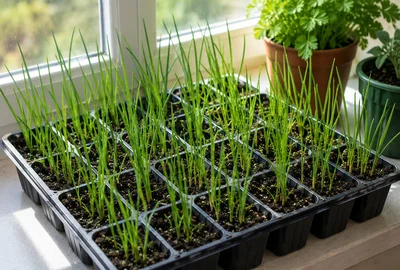
Once germinated, move to the brightest available position. Onion seedlings grow slowly at first — thin grass-like leaves are normal. Thin to 2 seedlings per module when 5cm tall.
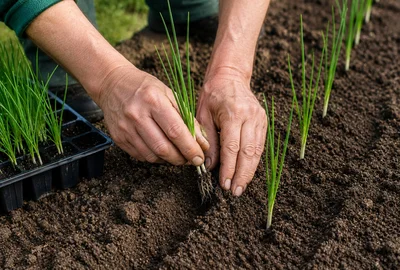
Plant out from April when seedlings are 15–20cm tall and pencil-thickness. Plant at 10cm spacing in firm soil, burying to the base of the leaves. Water in well.

| Region | Sow / plant | Harvest | Notes |
|---|---|---|---|
| Scotland & Far North | Jan–Mar | Aug | Long season needed — early indoor start essential for seed-grown · Late Jan to Feb (indoors); direct March |
| Northern England | Jan–Mar | Jul–Aug | Indoor start gives much better results than direct sowing in North · Late Jan to Feb (indoors); direct March |
| Midlands & Wales | Jan–Mar | Jul–Aug | Good results from indoor module sowing from January · Jan to Feb (indoors); direct March |
| Ireland & Isle of Man | Jan–Mar | Jul–Aug | Good results from indoor module sowing from January · Jan to Feb (indoors); direct March |
| South & SE England | Jan–Mar | Jul–Aug | Earliest start gives largest bulbs · Jan (indoors); direct from mid-March |
| South Coast & SW | Jan–Mar | Jul–Aug | Most favourable UK region for onions · Jan (indoors); direct from mid-March |
Onions prefer cool conditions and do not need a heated propagator. A cool greenhouse, unheated polytunnel, or bright windowsill at 10–15°C gives ideal germination conditions. Heat actually causes problems — temperatures above 25°C inhibit germination entirely.
Not recommended. Onion seeds germinate better in cool conditions (10–15°C). A heated propagator set too warm will reduce germination rates. If using, set no higher than 15°C.
The correct choice for onions. A lidded seed tray on a cool windowsill or in an unheated greenhouse gives consistent, even germination. Remove the lid once seedlings emerge.
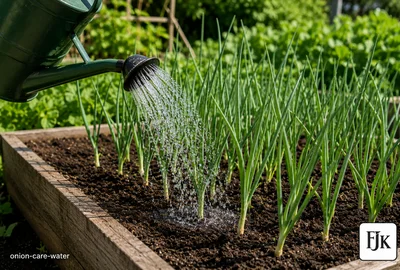
Water regularly in dry spells during the early growing season. Once bulbs begin to swell in early summer, reduce watering — excess moisture at this stage promotes soft bulbs prone to rot and poor storage. Stop watering completely once the foliage begins to flop naturally.
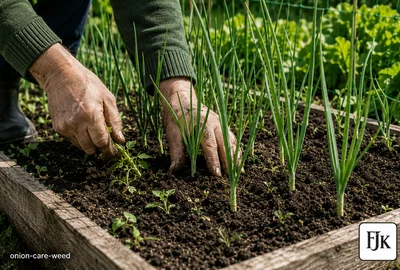
Keep the onion bed meticulously weed-free throughout the growing season. Onions are poor competitors and even moderate weed growth significantly reduces yields. Hoe carefully between rows and hand weed close to bulbs — onion roots are very shallow and easily damaged.
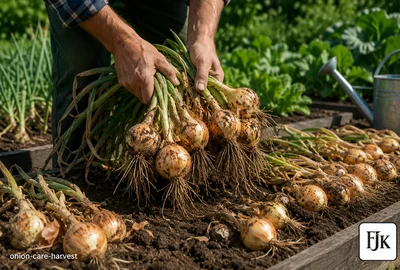
Onions are ready when the foliage flops and turns yellow. Ease bulbs out of the ground with a fork on a dry day. Lay them on the soil surface or move to a dry, airy place. Leave for 2–3 weeks until the skins are dry and papery before storing.
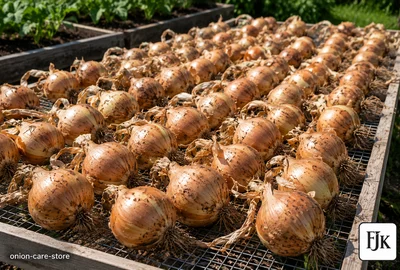
Store only fully dried, undamaged onions. Rope them together or place in nets in a cool, dry, frost-free, well-ventilated location. Check regularly and remove any that show signs of softness or rot. Well-dried onions will store for 6–9 months.
Onion white rot is a devastating soil-borne fungal disease that persists in the soil for up to 20 years. Infected plants show yellowing leaves and white fluffy mould at the base. Remove and destroy all infected material immediately — never compost. Practice strict crop rotation. Onion fly maggots tunnel into bulbs — delay planting until late April to avoid the first egg-laying flush, or grow under fine insect-proof mesh from planting.
Full identification and treatment advice is in the Pests and Diseases sections.
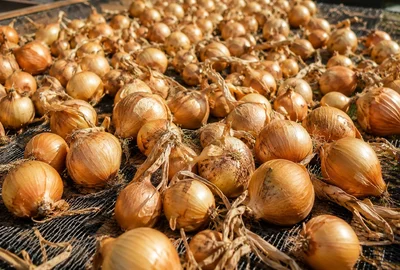
Properly cured onions keep for 6–10 months in a cool, dark, dry, well-ventilated place. After lifting, spread in a single layer on netting in a warm sunny spot (or indoors if weather is poor) for 2–4 weeks until outer skins are papery and the neck is completely dry. Store in net bags, old tights, or slatted trays — never in sealed containers which trap moisture. Check monthly and remove any showing signs of softness or rot before they spread to neighbours.
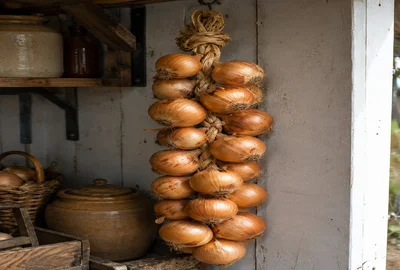
Plaiting onions into a rope is the most traditional storage method and produces a genuinely decorative result. Use onions with stems still intact — do not cut the tops. Braid 3 stems together and tie new onions in as you go, hanging the finished rope in a cool, airy, dry place. A well-made onion rope keeps for 6 months and is one of the most satisfying things to produce from the kitchen garden.
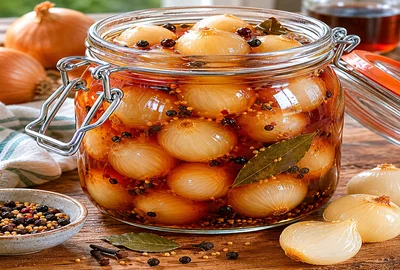
Pickling onions (and small shallot-sized main-crop onions) make classic British pickled onions — crisp, sharp, and excellent with cheese and cold meats. Follow a tested recipe.
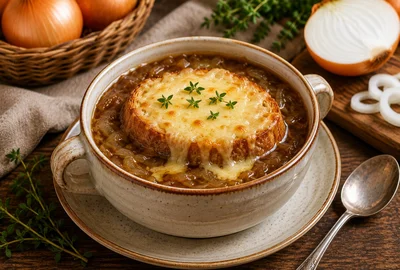
Caramelised onions freeze superbly — slowly cook large quantities in butter and olive oil over 45–60 minutes until deeply golden, sweet, and jammy. Cool, pack into ice-cube trays, freeze, then bag. Drop a cube or two directly into soups, stews, and pasta sauces from frozen. French onion soup uses enormous quantities of onions and freezes well. Onion marmalade (onions slowly cooked down with sugar, vinegar, and thyme) is one of the finest condiments from the kitchen garden.
Onion seeds sown in modules at 3–4 per module and thinned to 2 can be planted out as a pair — the two bulbs develop side by side and are very easy to separate at harvest. This gives more bulbs per module tray than single sowing and simplifies transplanting.
The most common cause of bolting in set-grown onions is a cold spell (below 10°C for more than a week) after planting. Always use heat-treated sets, which have had the bolting mechanism disrupted. If using untreated sets, delay planting until the soil has genuinely warmed in April.
The single most important thing for long storage life is perfect curing. Onions with even a trace of moisture in the neck will rot within weeks. In a wet summer, bring lifted onions indoors to a warm shed or greenhouse to cure — outdoor curing on netting often fails in a poor summer.
Onion white rot is impossible to eradicate once present in the soil. If you have had it, grow alliums in containers of fresh compost for several years and never return to the infected bed. The sclerotia persist for 20 years without a host.