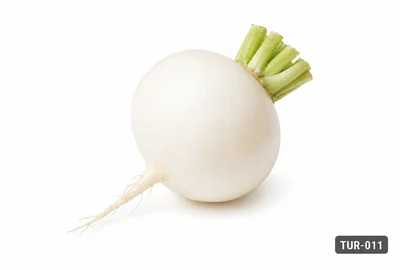
Tokyo Cross F1
White globe · Seed
A fast-maturing hybrid producing smooth white roots with mild, sweet flesh. Excellent for successional sowing and baby turnips.
- AGM
- F1
- Fast-maturing
Brassica rapa
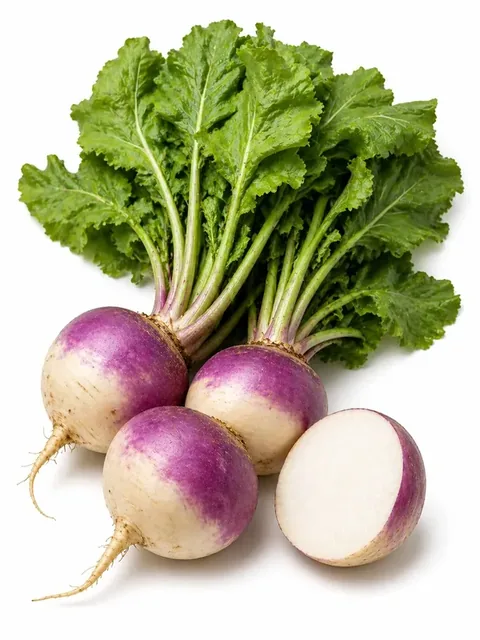
One of the fastest root vegetables you can grow — baby turnips can be pulled about six weeks after sowing. Sow in spring for tender early crops, or in summer for autumn and early winter roots.
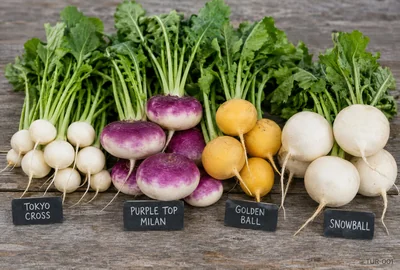
Turnips divide into fast early types like Tokyo Cross F1, Purple Top Milan and Atlantic F1, sown from March to June for tender baby roots, and maincrop sowings made in July or the first half of August, which crop in autumn. Golden Ball has golden skin and yellow flesh, and Petrowski is a sweet, mild yellow turnip from Poland. The young leaves of any turnip can be picked as greens.
The number of varieties shown for each crop is based on UK consumption data (2025/26) — the more popular the crop, the more variety choices we include.
Quick-maturing varieties for baby turnips and summer harvests. Ready in 6–8 weeks.
A fast-maturing hybrid producing smooth white roots with mild, sweet flesh. Excellent for successional sowing and baby turnips.
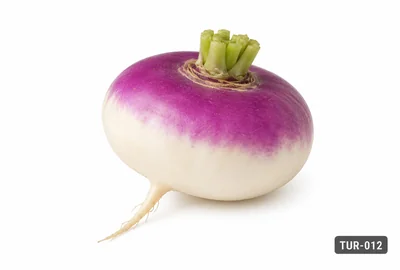
A quick early variety with attractive purple and white flat roots. Mild flavour when lifted young. Good for spring and late summer sowing.
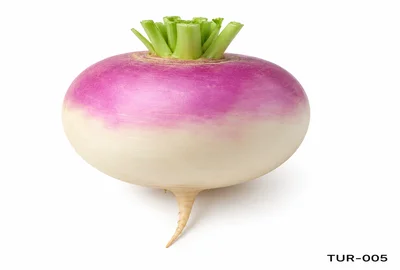
A sweet, juicy white turnip that can be eaten raw when young. Excellent for containers and raised beds.
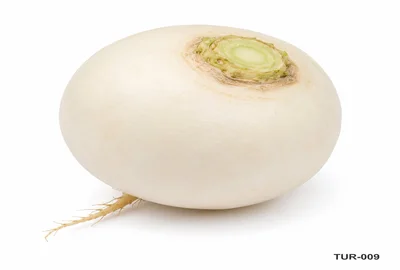
Quick-growing early hybrid. The round white roots are flushed pale purple around the top. Pull them young as baby turnips; it grows well in pots and suits a February start under cloches.
Varieties for sowing in summer and harvesting in autumn and early winter.
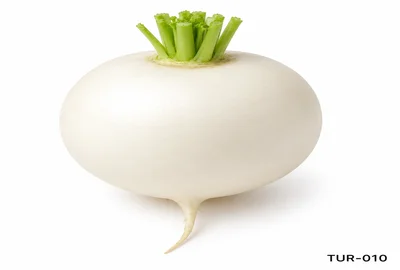
A reliable white turnip producing round, tender roots with crisp flesh. A good beginner variety for summer or autumn harvests.
Yellow-skinned varieties with a sweet flavour.
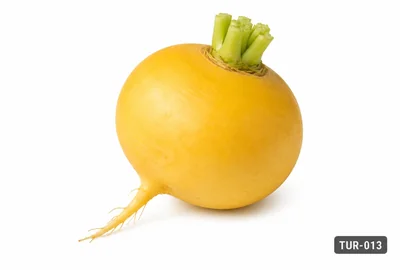
A traditional yellow-fleshed turnip with a sweet, rich flavour. Good for autumn crops, adds colour to stews and roasting dishes.
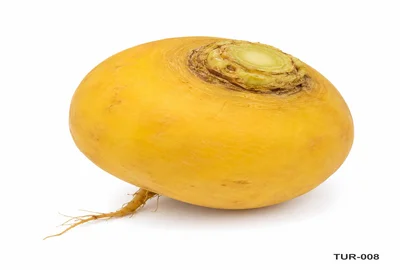
Polish yellow-skinned turnip with a gentle, sweet taste. Can be sown in spring or again in late summer.
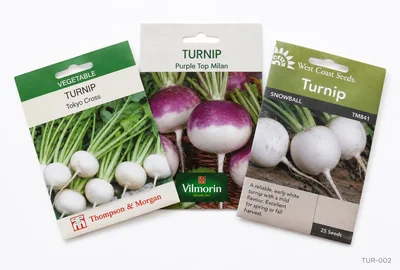
Turnips are always grown from seed, widely available at garden centres and online. Sow direct where they are to grow, or in modules indoors in late winter for an early start. Seed is inexpensive and widely available.

Online seed companies offer the widest selection — including fast-maturing Japanese types and yellow varieties that garden centres rarely stock. Seed is inexpensive; buy several types to extend harvest from spring through winter.
Garden centres stock a reliable core range — Purple Top Milan, Tokyo Cross F1, and Golden Ball are commonly available from February onwards. Good for an immediate start without waiting for a postal order.
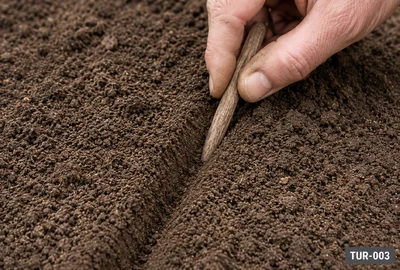
Turnips are best sown direct where they are to grow. Sow in shallow drills 1cm deep and 30cm apart, thinning to 10cm for baby turnips, 15cm for early varieties or 23cm for maincrops. Spring sowings from March provide early baby crops; sowings from July to mid-August produce roots for autumn harvests and storage. Successional sowing every 3 weeks maintains a continuous harvest.
Suitable varieties: All varieties. Snowball and Golden Ball suit sowings for autumn roots. Fast-maturing types like Tokyo Cross F1 and Purple Top Milan are ideal for successional spring and summer sowings.
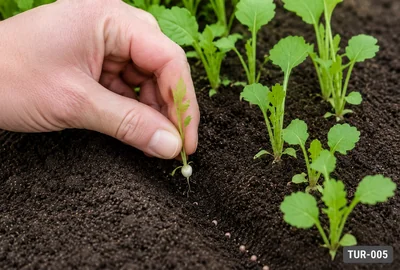
Raised beds are excellent for early spring turnip sowings — the soil warms 2–3 weeks ahead of open ground and drains freely. Sow direct from mid-February under cloches or from March without protection. The loose growing medium produces clean, well-shaped roots. Baby turnip harvests in raised beds are particularly rewarding — harvest at golf-ball size for the finest flavour.
Suitable varieties: Fast-maturing baby types like Tokyo Cross F1, Purple Top Milan and Atlantic F1.
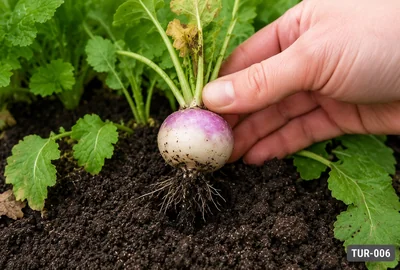
A cloche or cold frame allows turnip sowings from late February, 4–6 weeks ahead of open ground. Place cloches on the bed 2 weeks before sowing to warm the soil. Direct-sow under the cloche and remove it once daytime temperatures reliably exceed 12°C. This method produces the earliest baby turnips of the year — harvested in May when no other outdoor turnip crop is ready.
Suitable varieties: Early varieties only, such as Atlantic F1 and Purple Top Milan — both suited to a February start under cloches. No benefit to cloching maincrop types.
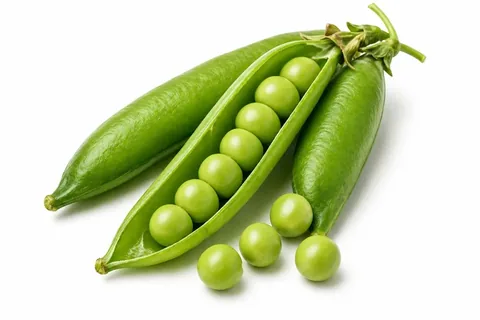
Peas and turnips work well in rotation — peas fix nitrogen that benefits subsequent brassica crops including turnips. Both are cool-season crops that can follow each other in the same bed.
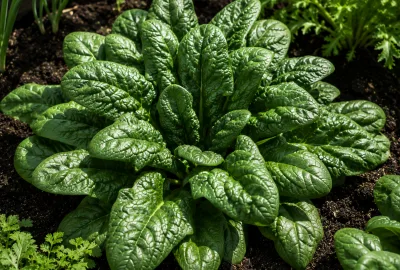
Spinach can be interplanted between turnip rows as a quick catch crop. Spinach matures rapidly and is harvested before turnips need the full space. Both prefer cool, moist conditions.
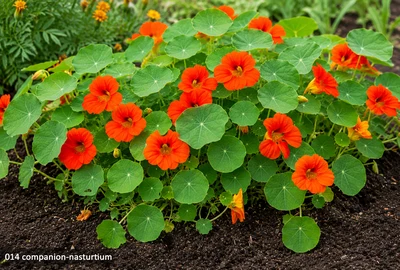
Nasturtiums planted at the bed edge act as a trap crop for aphids and cabbage white butterflies, drawing them away from the nearby turnip plants.
Turnips are usually sown direct and are one of the fastest-growing root vegetables — baby turnips can be pulled about six weeks after sowing. Sow in succession from March for a continuous supply. Avoid midsummer sowings in hot spells as heat causes bolting; late July to August sowings give excellent autumn and early winter crops.
Draw drills 1cm deep, 30cm apart. For baby turnips, rows can be closer at 20cm. The soil does not need deep preparation — turnips grow fast in most reasonable conditions.
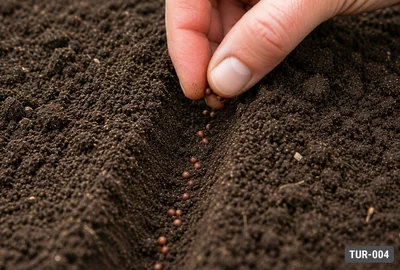
Sow seeds thinly along the drill. Turnip seed is small so take care not to over-sow. Thinning is fiddly work — thin sowing saves time later.
Thin to 10cm apart for baby turnips, 15cm for early varieties or 23cm for maincrops. Use thinnings in salads or stir-fries — the young leaves are delicious.
Pull baby turnips when golf-ball sized for the sweetest, most tender flavour. They can be eaten raw, roasted, or braised whole.
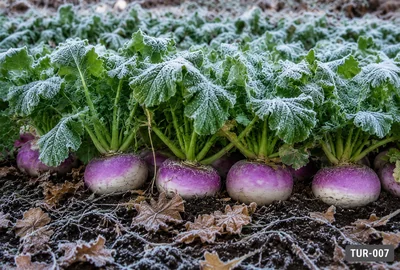
Late-sown turnips (July to mid-August) are left to mature for autumn and early winter harvesting. Hard frost can harm the roots, so lift them before a severe cold spell — or, in milder parts, cover the row and pull them as you need them.
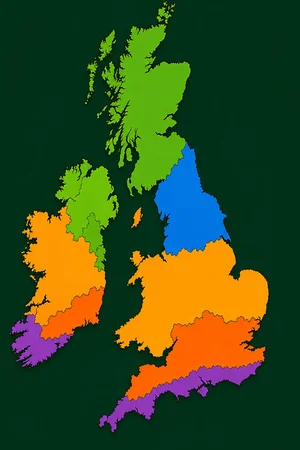
| Region | Sow / plant | Harvest | Notes |
|---|---|---|---|
| Scotland & Far North | Apr–Aug | Jul–Nov | Avoid early March sowings — cold soils cause failure. April most reliable for first sowing; August for winter crop · Apr–Aug |
| Northern England | Mar–Aug | Jun–Nov | First sowings late March to April; avoid July in hot dry spells. August sowing gives excellent winter crop · Mar–Aug |
| Midlands & Wales | Mar–Aug | May–Nov | Sow from late March; successional sowings every 3 weeks. Avoid midsummer if very hot and dry — bolt risk · Mar–Aug |
| Ireland & Isle of Man | Apr–Aug | Jun–Nov | April to August most reliable. Atlantic climate reduces bolt risk in summer. August sowing excels in milder west · Apr–Aug |
| South & SE England | Mar–Aug | May–Nov | From late March; watch for bolting in July heat. August sowing highly productive for autumn and early winter · Mar–Aug |
| South Coast & SW | Mar–Aug | May–Dec | Longest season — mild winters can extend the harvest into December · Mar–Aug |
Turnips are not conventionally started in a propagator as they grow best from direct sowing. However, module-sowing in a cool greenhouse or unheated propagator can give a 3–4 week head start for the first spring crop, particularly in Scotland and Northern England.
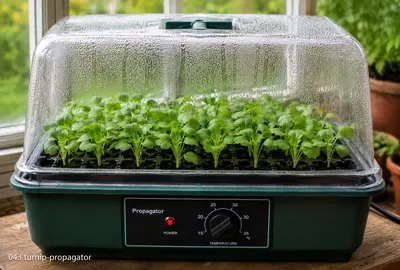
Set no higher than 12–15°C — turnips germinate in as little as 5 days in cool conditions and higher temperatures cause leggy, weak seedlings. Sow 2 seeds per module, 2cm deep, and remove the smaller seedling if both come up. Move them outside while they are still young, easing each plug out gently so the roots stay intact.
An unheated propagator on a cool windowsill from late February is the most practical approach for an early start. Sow into deep root-trainer modules to minimise root disturbance at transplanting. Harden off carefully over 10–14 days, then plant 15–23cm apart. Modules sown with a little cluster of seedlings go in as one plug — keep the cluster together.
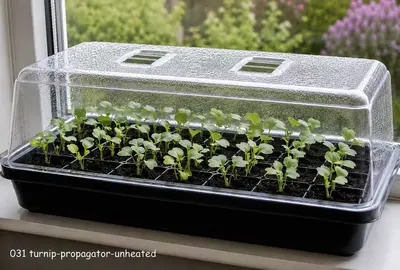
Standard unheated propagator — A lidded seed tray traps warmth and humidity around germinating seeds without electricity. Performance depends entirely on room temperature — best placed on a warm windowsill and used from March onwards. Replace the lid promptly after watering. Remove it completely the moment seedlings emerge to prevent damping off.
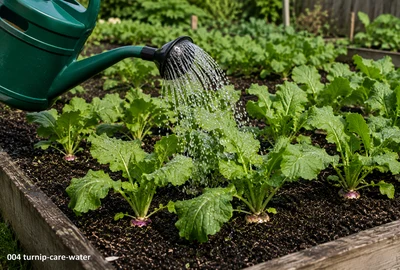
Water regularly during dry spells — turnips need consistent moisture to develop tender, mild-flavoured roots. Drought causes the roots to become tough, woody, and peppery. A weekly deep watering is better than frequent shallow watering. Mulch to retain moisture in summer.
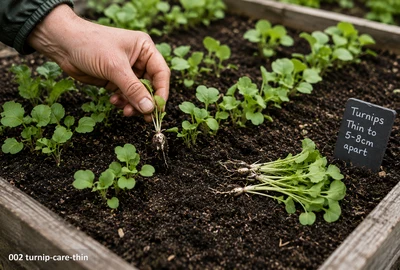
Thin early varieties to 15cm apart and maincrops to 23cm; baby turnips and leafy tops need only about 10cm. Thin in two stages — first to 5cm, then to final spacing. Thinnings can be used as turnip tops. Overcrowded turnips produce small, poorly formed roots with tough flesh.
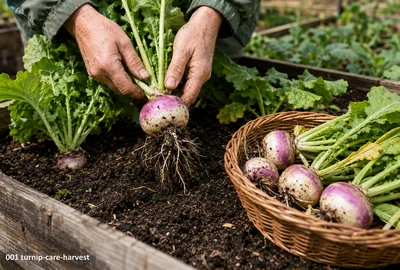
Summer turnips are best harvested small — the size of a golf ball to a tennis ball — when they are sweet and tender. Once they pass tennis-ball size the flesh tends to go tough and bitter. Pull or twist from the ground. Lift late-sown turnips before hard frosts; in mild areas they can stay in the ground under fleece or straw and be lifted as needed.
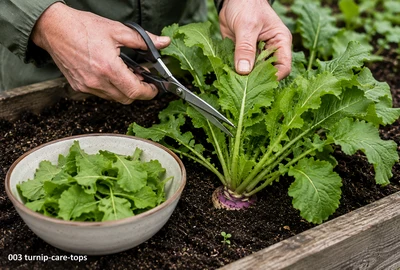
The young leaves of turnips are edible and nutritious — harvest the thinnings and young leaves from established plants as a cut-and-come-again green. Cut plants grow fresh leaves, so you can pick more than once. If it is the roots you are after, leave most of the foliage on each plant so the roots keep swelling.
Flea beetles pepper turnip leaves with small round holes and hit seedlings hardest. A cover of insect-proof mesh put on at sowing time can help keep them off.
Full identification and treatment advice is in the Pests and Diseases sections.
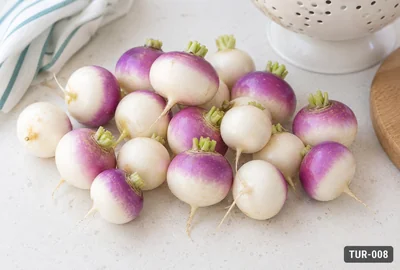
Where winters are mild, leave the roots in the soil and pull them when wanted. To guard against hard frost, lay about 15cm of straw or bracken over the row and pin it down with fleece or netting, and eat them up by late winter. Where winters are cold, lift and store them under cover instead.
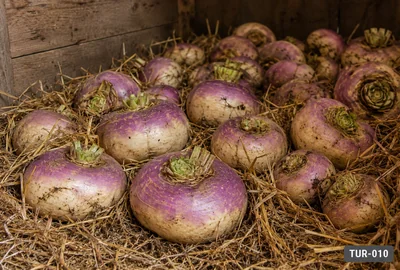
If the ground is needed, or in cold areas, lift the roots, pack them in boxes of barely damp sand or coir and keep them somewhere cool where frost cannot reach, such as a shed. Expect them to last a few weeks.
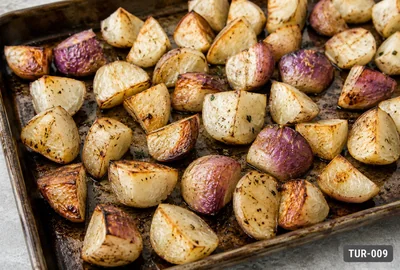
Dice, roast until golden and freeze in portions. Ideal for adding to winter soups, stews, and roasts.
For the very earliest baby turnips, sow an early variety such as Atlantic F1 or Purple Top Milan under cloches in February. Early kinds mature fast — about six weeks from sowing — so expect golf-ball roots from May.
Turnip tops (the young leafy shoots) are a genuine vegetable in their own right. Sow any turnip thickly in August, and cut the tops when 10–15cm tall. Highly nutritious, peppery, and a useful winter crop where root turnips are less practical.
Baby turnips at golf-ball size (4–5cm) are far superior in flavour and texture to larger roots. The window between perfect and overblown is short — check the bed every 2–3 days once the crop nears harvest size.
A turnip root can be damaged by hard frost, so get late sowings out of the ground before a severe cold spell. Gardeners in milder parts can keep them in the soil under fleece or a cloche and pull them when wanted — aim to finish them by late winter. Where winters are cold, lift and store them under cover.