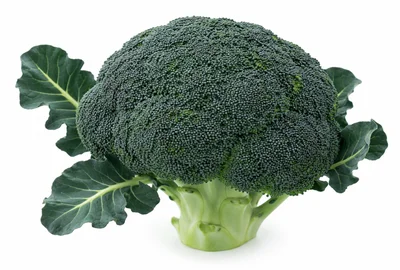
Marathon F1
Classic
The benchmark UK calabrese. Large, tight central head with excellent side shoot production. Good clubroot tolerance. Very consistent across different soil types and weather conditions.
- AGM
- Reliable
- High Yield
- Beginners
Brassica oleracea (Italica)
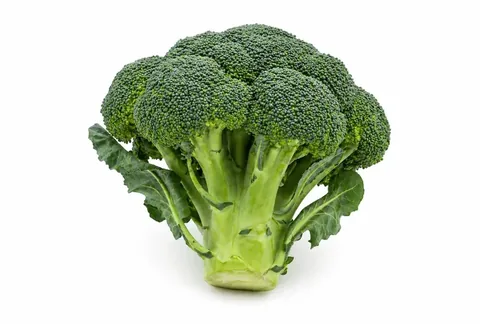
Calabrese is the green-headed broccoli sold in supermarkets — fast-growing, rewarding, and ready in 10–12 weeks from sowing. Cut the large central head first while still tight and dark green, then harvest the flush of side shoots that follow for several more weeks. Sow direct into its final position — calabrese dislikes root disturbance and transplants poorly.
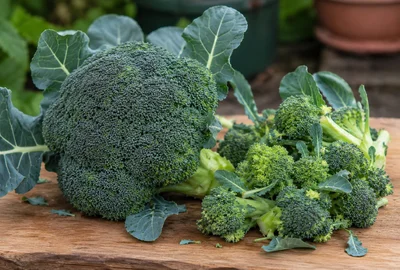
Calabrese is one of the most satisfying crops to grow — it goes from seed to harvest in 10–12 weeks and produces first a large domed central head, then weeks of tender side shoots that many gardeners consider more flavourful than the head itself. Choose F1 varieties for uniformity and reliability; heritage open-pollinated types like Di Cicco and Waltham 29 produce smaller heads but extraordinary side shoot crops over a long season.
The number of varieties shown for each crop is based on UK consumption data (2025/26) — the more popular the crop, the more variety choices we include.
Fast-maturing F1 varieties producing large central heads followed by generous side shoots. The reliable core of calabrese growing.
The benchmark UK calabrese. Large, tight central head with excellent side shoot production. Good clubroot tolerance. Very consistent across different soil types and weather conditions.
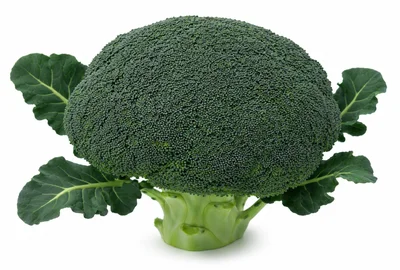
Outstanding heat and drought tolerance. Very uniform, dense heads. Performs well in variable UK summers when other varieties struggle. Good resistance to downy mildew.
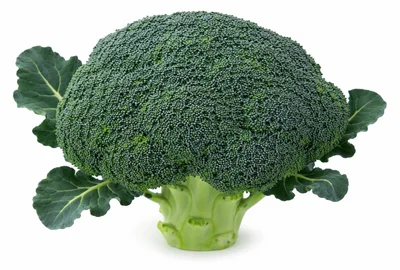
A variety with excellent disease resistance and a large domed head. Generous side shoot production over a long season. Tolerates variable weather better than most calabrese varieties.
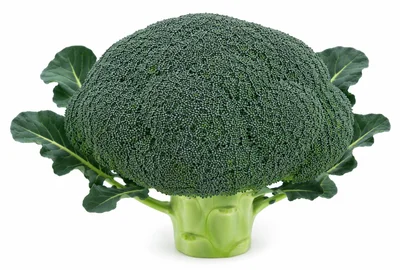
Fine-beaded, beautifully domed heads with outstanding flavour. AGM variety. Medium plant size suitable for successional cropping. One of the best-tasting calabrese varieties for UK gardeners.
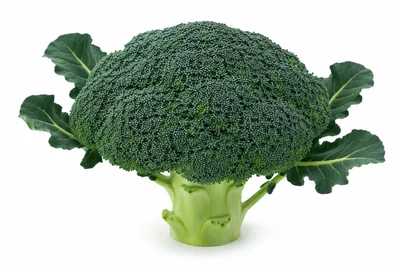
Very high-yielding variety with large, tight heads and exceptional side shoot production after cutting. Popular with allotment growers for its consistency across a wide range of soil types.
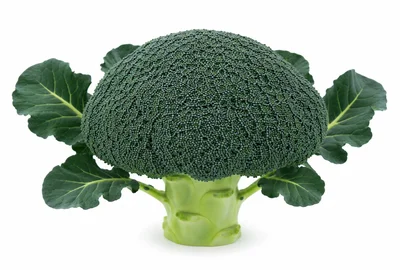
Compact habit ideal for raised beds and smaller plots. Uniform dome-shaped heads with fine florets. Side shoot production continues for weeks after the central head is cut.
Open-pollinated heritage varieties and distinctive types for gardeners who want something beyond supermarket standard.
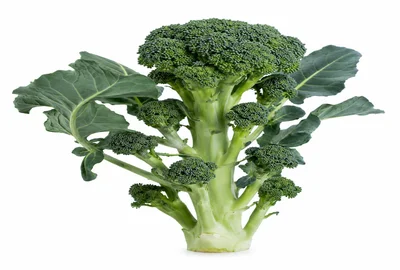
Classic heritage open-pollinated variety. Heavy side shoot production — the shoots are often more prolific and flavoursome than the central head. Excellent for late-season cropping into October. Seed-saveable.
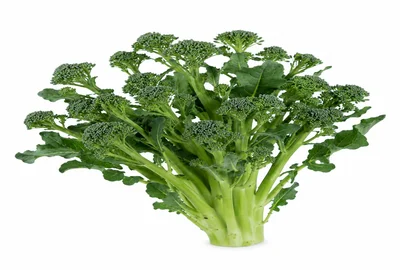
Traditional Italian heritage variety producing multiple small heads rather than one large central one. Extremely productive over a very long season. Open-pollinated — seed can be saved year to year.
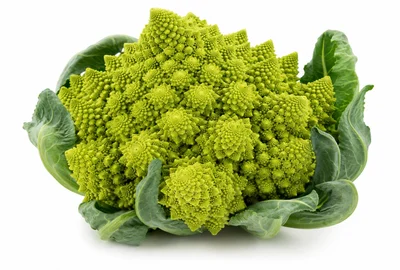
Spectacular lime-green fractal heads with a precise spiral pattern unlike any other brassica. Milder, nuttier flavour than standard calabrese. Takes longer to mature but is one of the most striking crops in the autumn garden.
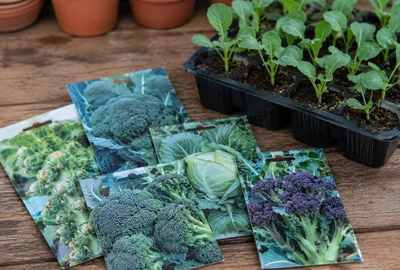
Calabrese seed is available from all main UK seed companies and garden centres. F1 varieties (Marathon, Ironman, Belstar) are widely available. Heritage types are best ordered from specialist online suppliers. Plug plants appear in garden centres from April and are a reliable option if the early sowing window has passed.
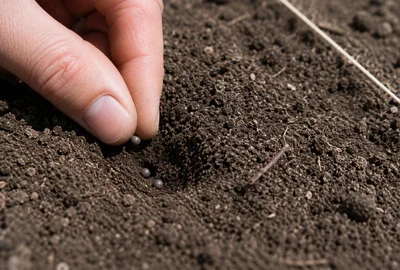
Always sow direct into the final growing position — this is the most important rule for calabrese. Make stations 30cm apart in rows 45cm apart. Sow 3 seeds per station at 1cm depth. Thin to the strongest when seedlings reach 5cm. Net immediately. Sow a short row every 3 weeks for continuous harvest.
Suitable varieties: All varieties. The only reliable method for most UK conditions.
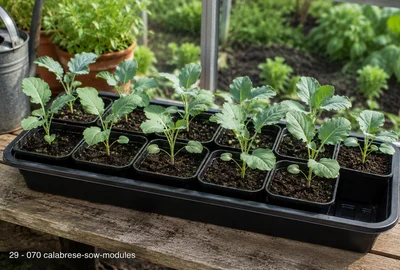
Modules can be used for February sowings to get an early start under cover. Sow one seed per module at 1cm depth on a cool, bright windowsill. Transplant at the 3-leaf stage — before roots fill the module. Handle the rootball with great care. Never allow to become pot-bound. This method carries higher bolting risk than direct sowing and should only be used for the earliest crops.
Suitable varieties: F1 varieties only for early starts. Not recommended from March onwards — sow direct instead.
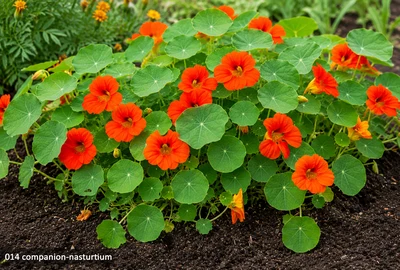
Sacrifice plants — aphids and caterpillars go to nasturtiums first, protecting calabrese heads. Plant at the bed edges as a living trap crop.
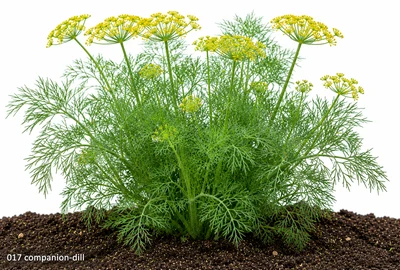
Dill attracts parasitic wasps and hoverflies that prey on cabbage white caterpillars and aphids. Plant at the margins of the brassica bed.
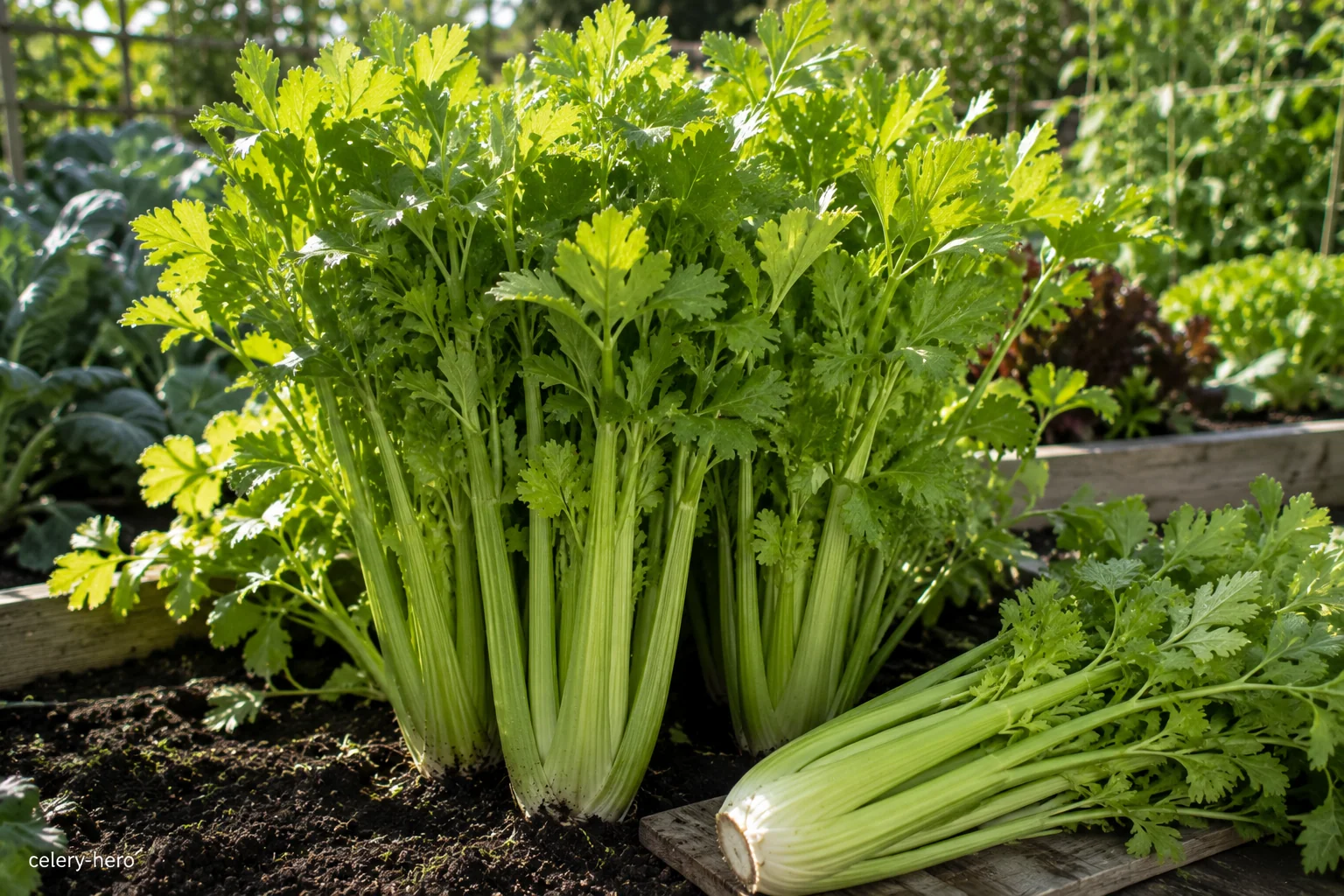
Celery is said to deter the white cabbage butterfly. Interplanting with brassicas is a traditional kitchen garden companion technique.
Calabrese must be sown direct into its final position — transplanting almost always results in bolting or poor heads. Make stations 30cm apart, sow 3 seeds per station, and thin to the strongest.
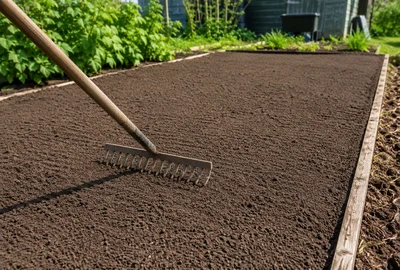
Rake to a fine tilth. Tread the bed firmly — firm soil produces firmer, denser heads. Calabrese likes fertile, well-firmed ground. Rake in a balanced brassica fertiliser if the soil is light.
Make stations 30cm apart in rows 45cm apart. Sow 3 seeds per station at 1cm depth. Water in gently. Do not sow too deep — 1cm is sufficient.
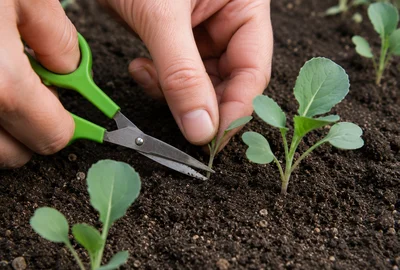
When seedlings reach 5cm tall, thin to the strongest at each station. Cut surplus seedlings at soil level rather than pulling — pulling disturbs the roots of the plant you are keeping.
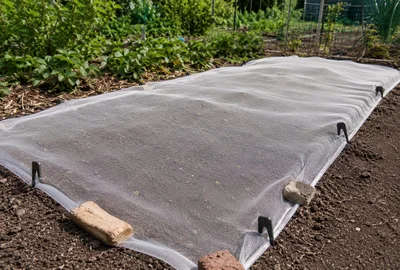
Cabbage white butterflies will lay eggs within days of emergence. Net with fine insect-proof mesh immediately after sowing — do not wait until plants are up.
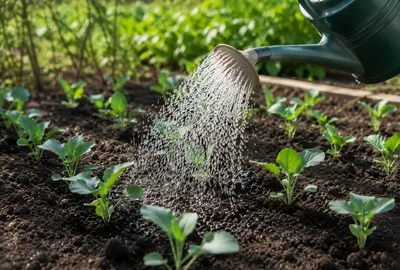
Keep consistently moist from sowing through to harvest. A check in water supply causes the plant to rush to flower and produce a poor, loose head.
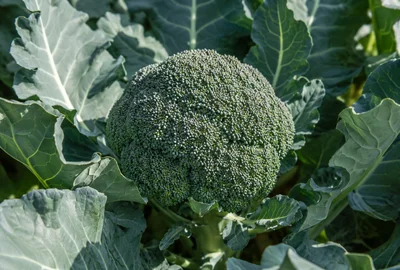
The central head develops rapidly once the plant matures. Check daily — harvest while tight and dark green, before any yellow colouring appears on the florets.
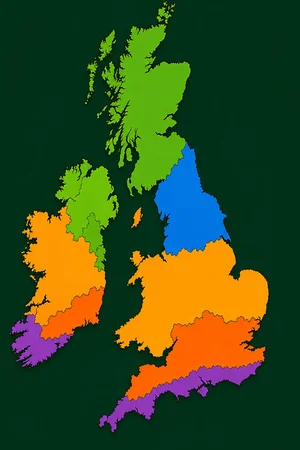
| Region | Sow / plant | Harvest | Notes |
|---|---|---|---|
| Scotland & Far North | Apr–May | Jul–Sep | Sow direct April–May. Choose fast-maturing F1 varieties. Harvest July–September before autumn cold sets in. · Apr–May |
| Northern England | Apr–Jun | Jul–Oct | Sow direct April–June. Successional sowings give continuous supply. Harvest July–October. · Apr–Jun |
| Midlands & Wales | Mar–Jun | Jul–Oct | Sow direct from March. Wide successional window. Harvest July–October. · Mar–Jun |
| Ireland & Isle of Man | Mar–Jun | Jul–Oct | Sow direct from March. Wide successional window. Harvest July–October. · Mar–Jun |
| South & SE England | Mar–Jun | Jun–Oct | Longest window. March sowings under fleece possible. Harvest June–October — earliest sowings give June heads. · Mar–Jun |
| South Coast & SW | Mar–Jun | Jun–Nov | Earliest start in UK. March direct sowing reliable. Harvest June–October with side shoots extending into November. · Mar–Jun |
Calabrese is best sown direct into its final position — root disturbance at transplanting almost always causes bolting or poor heads. If an early start is wanted before March, modules can be used but only up to the 3-leaf stage before transplanting. A heated propagator is not needed and not recommended — calabrese germinates well at cool temperatures (10–18°C).
Not recommended — calabrese germinates readily at cool temperatures without heat. A heated propagator may produce fast but drawn, weak seedlings that perform poorly after transplanting. Sow direct outdoors or on a cool windowsill instead.
An unheated propagator or cold frame can be used for February sowings in modules to get a very early start. Transplant at the 3-leaf stage only — before roots become pot-bound. Handle the rootball with great care. From March onwards, sow direct outdoors — no propagator needed.
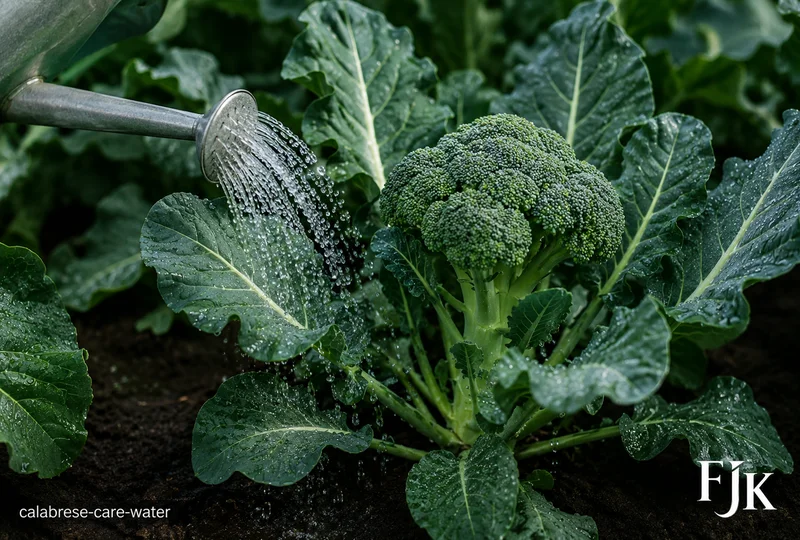
Water deeply 1–2 times per week rather than little and often. Inconsistent moisture is the main cause of loose, poor-quality heads and premature bolting. A good soaking every few days is far better than daily surface watering. Apply a mulch of compost around plants to retain moisture. In a dry summer, prioritise calabrese watering — it responds dramatically to consistent moisture.
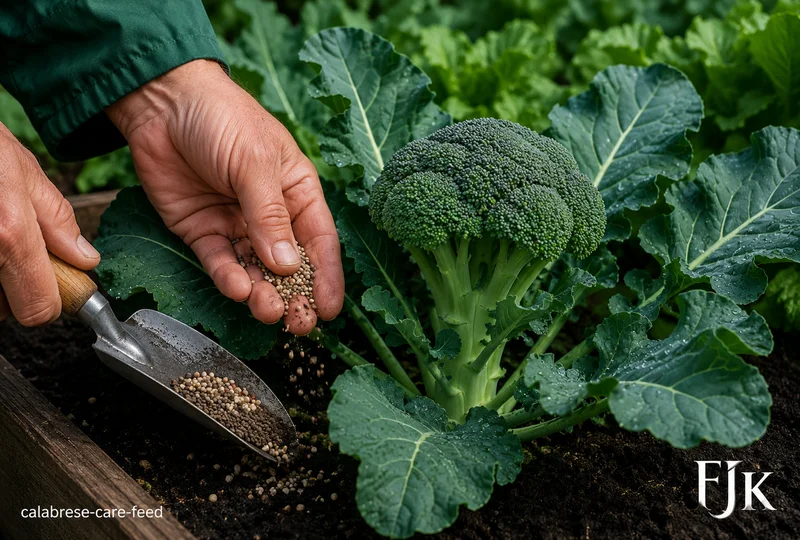
Rake in a balanced granular fertiliser before sowing. A nitrogen-rich liquid feed applied 4 weeks after thinning encourages rapid, leafy growth and a large, dense central head. Avoid overfeeding in the final 3 weeks before harvest — excess nitrogen can produce loose, open heads.
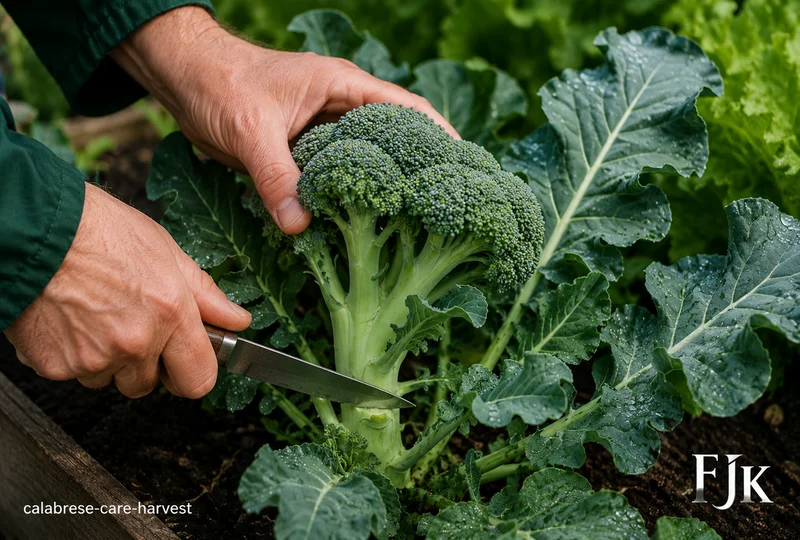
Cut the central head with a sharp knife while florets are still tightly packed and deep green — before any yellow colouring appears. Leave 10cm of stem. Side shoots will follow for several weeks; pick them every 2–3 days to keep the plant producing. The side shoots from heritage varieties like Waltham 29 and Di Cicco are particularly abundant and many growers consider them more flavourful than the central head.
Cabbage white butterfly is the primary threat — fine mesh netting applied immediately after sowing is the only reliable protection. Check weekly for gaps. Clubroot is a long-term soil problem; rotate calabrese every year and lime soil to pH 7.0 or above to reduce risk. Never transplant from large modules or pots — root disturbance causes immediate bolting.
Full identification and treatment advice is in the Pests and Diseases sections.
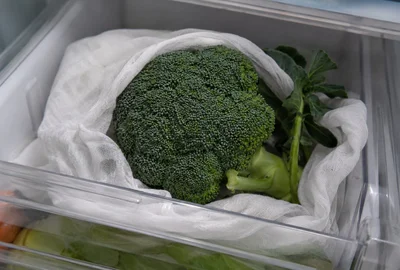
Store unwashed calabrese in the fridge for up to 3 days. Wrap loosely in a damp cloth or place in an open bag to retain moisture without causing condensation. Home-grown calabrese deteriorates faster than supermarket broccoli — eat as soon as possible after harvest for the best flavour.
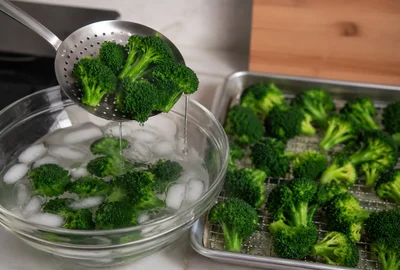
Blanch florets for 2–3 minutes in boiling water, plunge into ice water, drain and freeze flat on a tray then bag. Keeps for up to 12 months. Texture softens slightly but flavour remains excellent. Frozen calabrese is ideal in stir-fries, soups, pasta, and cheese sauces.
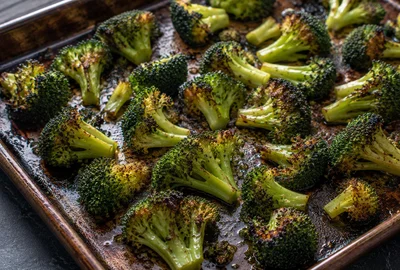
Roast at 200°C with olive oil, garlic, and chilli until edges char slightly — outstanding flavour. Also excellent in stir-fries, pasta dishes, and soups. Side shoots are best lightly steamed for 3–4 minutes and served immediately — they lose their texture quickly if overcooked.
The single most common calabrese mistake is sowing indoors and then transplanting. The moment roots are disturbed the plant's instinct is to flower immediately. Sow direct into prepared soil from March onwards and you will always get a better result than from transplanted seedlings. If an early start is needed, use modules but transplant at the 3-leaf stage only.
Cut the central head with a sharp knife leaving 10cm of stem — this is critical for side shoot production. The stem contains the lateral buds that produce the side shoots over the following weeks. Cut flush to the base and you lose all subsequent cropping. Pick side shoots every 2–3 days to keep the plant productive.
Heritage varieties like Waltham 29 and Di Cicco produce smaller central heads than F1 hybrids but an extraordinary quantity of side shoots over a very long season — sometimes 8–10 weeks of picking from a single plant. If side shoots are more important to you than a large central head, choose a heritage variety.