01 About
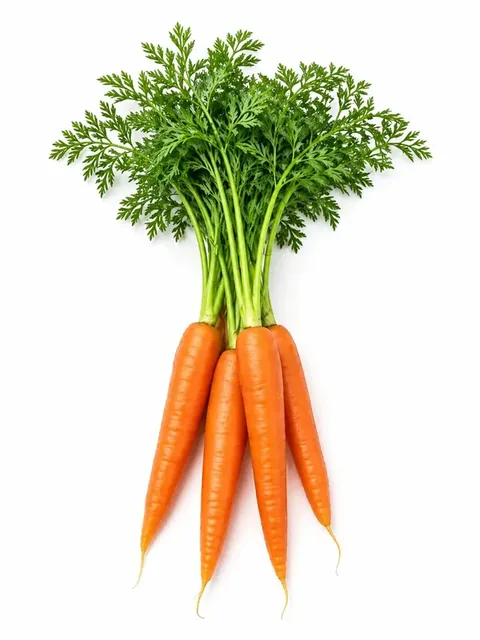
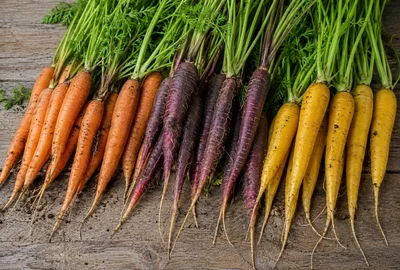
Sweet, crunchy, and deeply satisfying to pull from the ground. Carrots demand well-prepared, stone-free soil but reward patience magnificently. There is a variety for almost every situation — from slim, tender Nantes types for early harvests to chunky Chantenay forms that thrive in heavier soils, and a whole spectrum of coloured heritage types that transform any plate with purple, yellow, and cream roots.
02 What to Grow
Carrots fall into several distinct types based on root shape and intended use. Nantes varieties are cylindrical, blunt-ended, and sweet — the classic garden carrot and the best choice for most soils. Chantenay types are shorter, broader-shouldered, and conical — excellent for heavier or stonier soils where longer roots would fork. Berlicum varieties grow long, smooth, and uniform — the ideal maincrop for deep, well-prepared beds. Early varieties like Amsterdam Forcing produce slender, tender baby carrots within 10–12 weeks of sowing. The coloured and heritage group — Purple Haze, Yellowstone, White Satin — bring genuine variety to the kitchen and table.
03 Varieties
The number of varieties shown for each crop is based on UK consumption data (2025/26) — the more popular the crop, the more variety choices we include.
🥕 Classic Nantes
The original garden carrot — smooth, cylindrical, blunt-ended, and sweet. The most widely grown type in UK allotments and kitchen gardens. Consistent, reliable, and excellent for successive sowings from March to July.
Nantes 2
Nantes · Maincrop
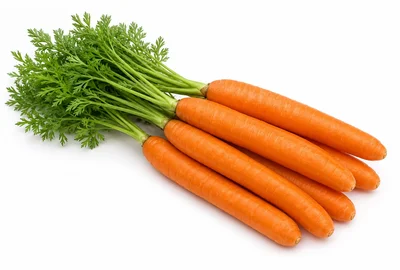
The benchmark carrot for UK gardens. Smooth, cylindrical, blunt-ended orange roots with sweet flesh and virtually no woody core. Reliable germinator, consistent yielder, and good in most soils. The most widely grown carrot in British allotments.
- Outdoors
- Beginners
- ⭐ Flavour
Early Nantes 5
Nantes · Early
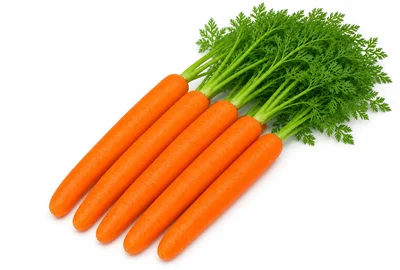
A classic early-season Nantes carrot with slender, smooth, cylindrical roots and exceptional sweet flavour. One of the first outdoor carrots to be ready each season. Excellent for successional sowing from March through June.
- Outdoors
- Beginners
- Early
- ⭐ Flavour
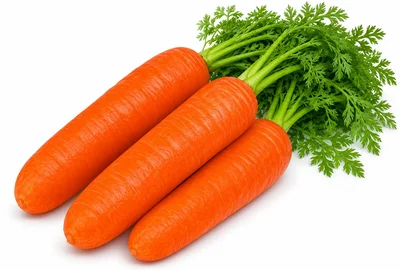
Nigel
Nantes · Storage
A fast-growing, storage-resistant Nantes type with smooth, uniform, cylindrical roots. Good resistance to splitting and cracking after rain. Reliable yields and very good flavour. Keeps well in the ground through autumn.
📦 Chantenay & Maincrop
Shorter, broader-shouldered varieties for maincrop harvests and heavier soils. Chantenay types are conical and stout — ideal where long roots cannot develop freely. Autumn King is the classic large-rooted storage carrot.
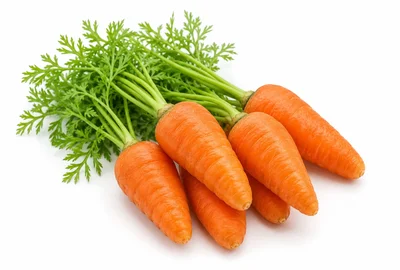
Chantenay Red Cored
Chantenay · Maincrop
Short, stocky, broad-shouldered roots with a distinctive conical shape and deep orange colour throughout. Excellent for heavier or stonier soils where Nantes and Berlicum types would fork. Sweet, dense flesh with very good flavour.
- Outdoors
- Beginners
- Heavy Soils
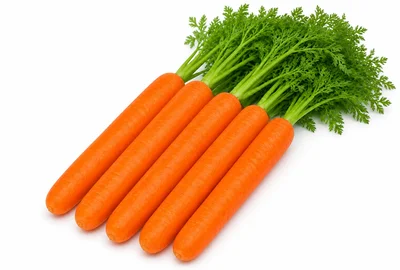
Autumn King 2
Maincrop · Storage
The most popular large maincrop storage carrot in the UK. Long, broad-shouldered, deep orange roots that store exceptionally well through winter. Reliable, high-yielding, and sweet. The standard choice for growers who want to store carrots through to spring.
- Outdoors
- Long Storage
- Beginners
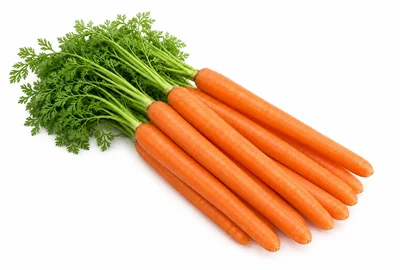
Berlicum 2
Berlicum · Maincrop
Long, smooth, perfectly cylindrical roots with deep orange colour throughout. Uniform in size and shape — excellent for deep, well-prepared raised beds and sandy soils. Sweet flavour, good keeping quality.
⚡ Early & Container
Fast-maturing varieties ready in 10–12 weeks from sowing. Ideal for containers, deep pots, and successional sowing. The best choices for first harvests of the season and growing in limited space.
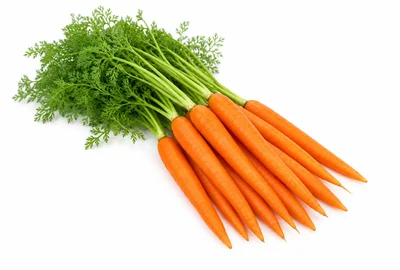
Amsterdam Forcing 3
Early · Baby
The classic early carrot — slim, very slender cylindrical roots with exceptional sweet flavour. Ready in 10–12 weeks from sowing. Ideal for forcing under cloches for the earliest possible harvest. Also excellent in containers.
- AGM
- Outdoors
- Container
- Beginners
- Early
- ⭐ Flavour
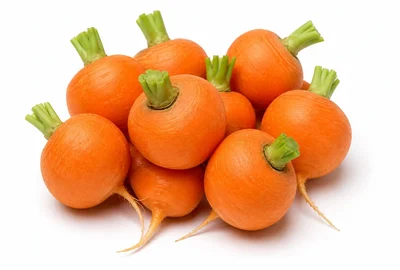
Paris Market
Round · Baby
Completely round, ball-shaped carrots only 3–4cm across at maturity. Ideal for shallow soils and shallow containers where standard varieties would fork. Sweet, tender, and spectacular served whole.
- Outdoors
- Container
- Beginners
- Shallow Soils
- ⭐ Flavour
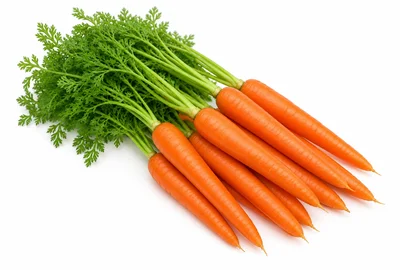
Adelaide F1
Early · Nantes
A superb early F1 Nantes-type carrot with exceptional uniformity, smooth skin, and very sweet flavour. Ready 10–12 weeks from sowing. Consistent germination, vigorous growth. Ideal for successional sowing and excellent in large containers.
- AGM
- F1
- Early
- Outdoors
- Container
- ⭐ Flavour
🏆 High Performance F1
Modern F1 hybrid varieties bred for exceptional yield, uniformity, and specific pest resistance. The top performers for allotment growers and those who want reliable, high-quality harvests.
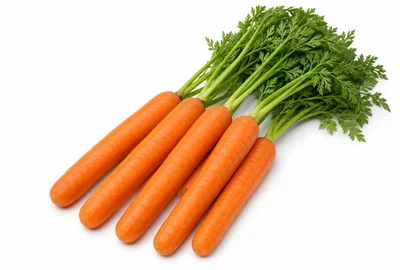
Nairobi F1
Nantes · F1 Hybrid
One of the most widely grown commercial and allotment carrots in the UK. Smooth, uniform, cylindrical Nantes-type roots with excellent colour and very consistent sizing. High-yielding and extremely reliable. Good resistance to splitting.
- F1
- Outdoors
- AGM
- Beginners
- ⭐ Flavour
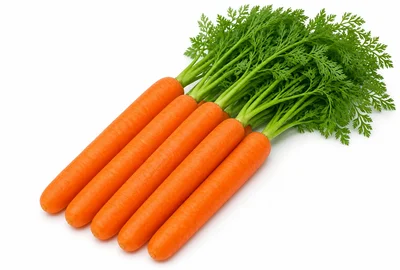
Flyaway F1
Nantes · Fly Resistant
The premier UK carrot for resistance to carrot root fly. Bred with significantly reduced volatile compounds that attract the female fly. Smooth, cylindrical Nantes-type roots with excellent sweet flavour. The most effective varietal defence against carrot fly.
- F1
- Outdoors
- Pest Resistant
- AGM
- ⭐ Flavour
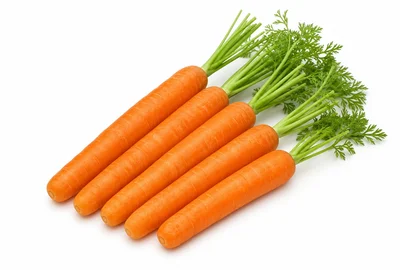
Sugarsnax 54 F1
Imperator · Sweet
An exceptionally sweet, long, slender carrot with intensely orange, high-carotene flesh. One of the highest sugar content varieties available. Roots reach 20–25cm in deep, well-prepared soil. Outstanding raw.
- AGM
- F1
- Outdoors
- ⭐ Flavour
- High Carotene
🌈 Coloured & Heritage
Purple, yellow, and white varieties that predate the familiar orange carrot by centuries. Spectacular in mixed harvests and at the table.
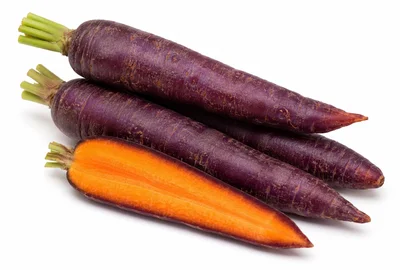
Purple Haze F1
Purple · Heritage
Deep purple skin with a bright orange core revealed when sliced. Sweet Nantes-type flavour with a slightly earthy note. The purple anthocyanin pigment is a powerful antioxidant. Best used raw or lightly roasted to retain colour.
- F1
- Heritage
- ⭐ Flavour
- Outdoors
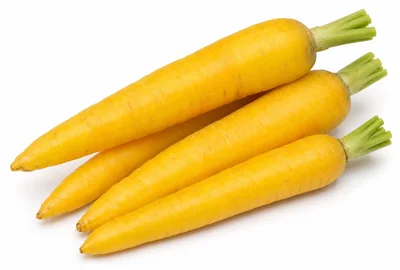
Yellowstone
Yellow · Heritage
Vivid golden-yellow roots with smooth skin and a mild, sweet flavour. Excellent eaten raw and spectacular roasted alongside orange and purple varieties. Nantes-type shape — cylindrical and uniform.
- Heritage
- Outdoors
- ⭐ Flavour
- Container
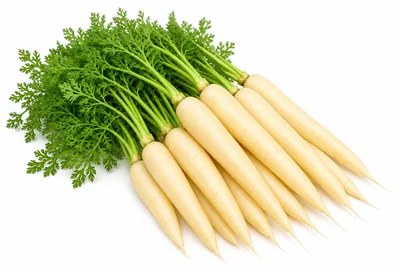
White Satin F1
White · Heritage
Cream-white, smooth-skinned roots with a sweet, mild flavour and very little earthiness. Excellent eaten raw. Roasts beautifully to a creamy golden colour. Pairs perfectly with Purple Haze and Yellowstone for a tri-colour harvest.
- F1
- Heritage
- Outdoors
- ⭐ Flavour
🛡️ Disease Resistant Modern F1
Modern F1 hybrids bred for specific resistance to carrot fly, Alternaria, and cavity spot. Practical, high-performing choices for growers who want reliable crops with less intervention.

Maestro F1
Nantes · F1 Resistant
A high-performance Nantes-type F1 with excellent resistance to cavity spot and Alternaria leaf blight. Smooth, uniform, cylindrical roots. The practical choice for growers who have experienced disease problems with standard varieties.
- F1
- Outdoors
- Pest Resistant
- AGM

Resistafly F1
Nantes · Fly Resistant
Specifically bred with carrot fly resistance as its primary trait. Significantly reduced attraction to the carrot root fly female. Cylindrical Nantes-type roots with good flavour.
- AGM
- F1
- Outdoors
- Pest Resistant
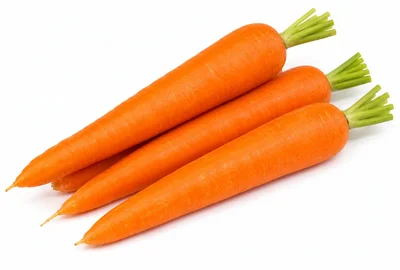
Bangor F1
Maincrop · F1
A robust, high-yielding maincrop F1 with good resistance to splitting and cavity spot. Long, uniform, cylindrical roots with excellent deep orange colour. Good storage quality.
- F1
- Outdoors
- Long Storage
- AGM
💜 Purple & Anthocyanin
Deep purple-skinned varieties rich in anthocyanin antioxidants. Orange or yellow flesh revealed dramatically when sliced. Best eaten raw or lightly cooked to retain colour.
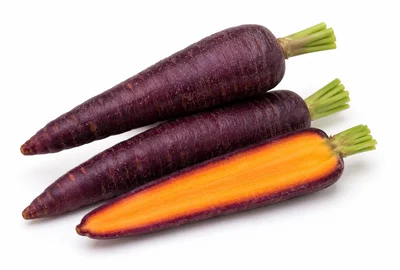
Cosmic Purple
Purple · Heritage
Deep violet-purple skin with a bright yellow-orange interior. Sweet, moderately earthy flavour. Grows longer and slimmer than Purple Haze. Excellent raw and keeps colour well when roasted.
- Heritage
- Outdoors
- ⭐ Flavour
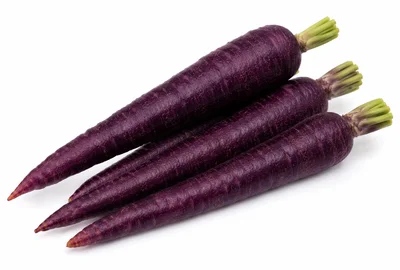
Deep Purple F1
Purple · F1
Intense uniform purple colour throughout skin and flesh. Sweet and pleasantly earthy. Very high anthocyanin content. Roasts to a deep jewelled purple. The most visually dramatic carrot for table presentation.
📛 Yellow & White
Yellow and white heritage varieties that predate the orange carrot by centuries. Milder and less earthy in flavour. Spectacular combined with purple and orange in a mixed harvest.
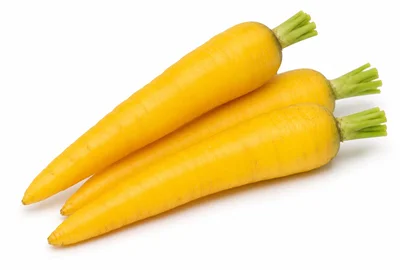
Solar Yellow
Yellow · Heritage
Bright, vivid yellow roots with very sweet, mild flavour and virtually no earthiness. Thin skin and tender flesh. Excellent eaten raw, in juices, or roasted. Holds colour well when cooked.
- Heritage
- Outdoors
- ⭐ Flavour
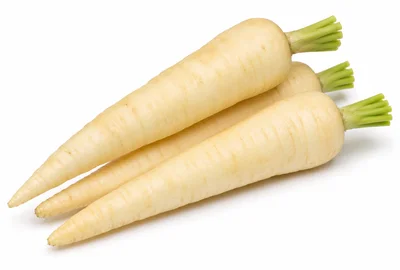
Luna
White · Heritage
Cream-white roots with a delicate, mild, sweet flavour and very little earthiness. Excellent eaten raw. Roasts to a creamy golden colour. The palest option in a tri-colour carrot harvest.
- Heritage
- Outdoors
- ⭐ Flavour
🌱 Baby & Miniature
Small, slender, or early-harvested varieties at their best when pulled young. Perfect for successional sowing, harvesting as bunched baby carrots, and containers.
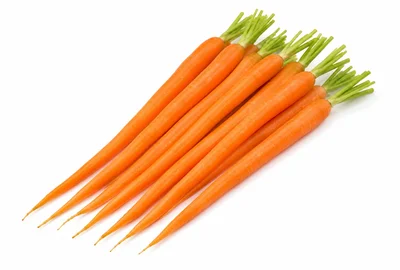
Mini Finger
Baby · Gourmet
Very slender, finger-length baby carrots harvested at 8–12cm. Tender skin, no need to peel. Ideal for sowing thickly and harvesting young as a bunched baby crop. Sweet, fresh flavour.
- Outdoors
- Container
- Early
- ⭐ Flavour
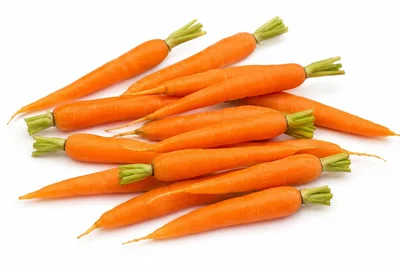
Sweet Candle
Baby · Finger
A gourmet baby carrot producing slender, smooth, finger-length roots of exceptional sweetness. Harvested at 12–15cm for best eating. Popular with market gardeners and restaurant growers.
- AGM
- Outdoors
- Container
- ⭐ Flavour
🔴 Red & Unusual
Deep red, crimson, and unusual heritage varieties rich in lycopene. Spectacular roasted or sliced raw. Some of the most vividly coloured root vegetables in the kitchen garden.
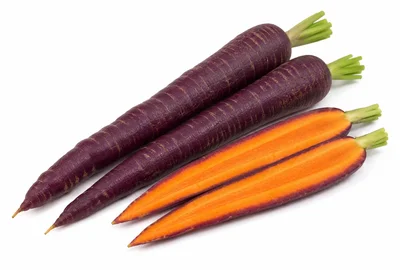
Red Samurai
Red · Heritage
Deep scarlet-red skin with a bright orange interior. Long, smooth Danvers-type roots with sweet, earthy flavour. Rich in lycopene. Excellent roasted whole or used raw in salads for maximum visual impact.
- Heritage
- Outdoors
- ⭐ Flavour
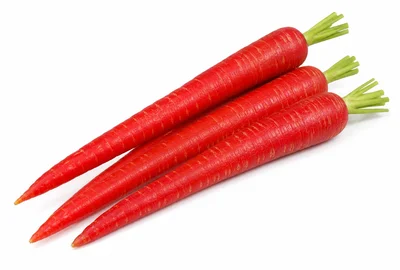
Atomic Red
Red · Heritage
Vivid crimson-red throughout skin and flesh. Long, slender Danvers-type roots that deepen in colour when cooked. Very high lycopene content. Sweet with a pleasantly earthy note. Spectacular juiced.
- Heritage
- Outdoors
- ⭐ Flavour
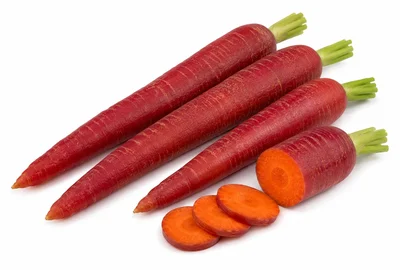
Dragon
Red · Heritage
Deep red-purple skin with a bright orange and yellow-tinged interior. Long, slender, elegant roots with sweet, slightly spicy flavour. The cross-section reveals concentric rings of colour.
- Heritage
- Outdoors
- ⭐ Flavour
04 Where to Source
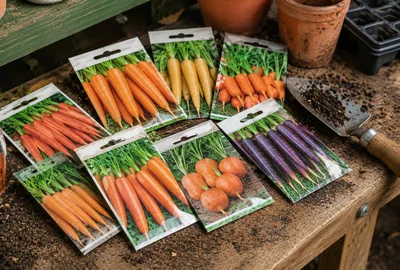
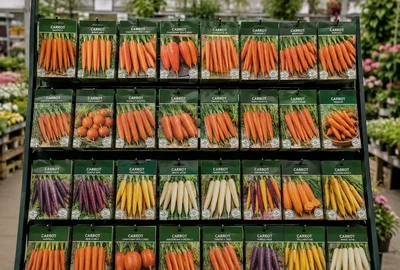
Carrot seed is one of the most widely available and inexpensive vegetable seeds. The full range — from classic Nantes types to unusual coloured heritage forms — is accessible through online seed companies, garden centres, and supermarkets. Seeds are tiny and very affordable; a single packet usually contains several hundred seeds. Garden centres reliably stock classic varieties from February through early summer.
📦 Seeds by Post
Online seed suppliers offer by far the widest range of carrot varieties, from classic orange types to purple, yellow, and white heritage carrots. As carrots must always be sown direct, seed is the only realistic way to grow them.
🏪 Garden Centres
Garden centres stock a good general range of carrot seed from late winter, including popular reliable varieties. For unusual colours or heritage types, online seed suppliers usually offer more choice.
Timing tip: Order seeds in January and February. Popular varieties sell out quickly. Garden centres and markets are a reliable backup from April onwards.
05 Planting Options
🥕 Kitchen Garden Bed
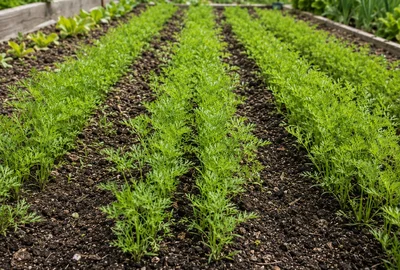
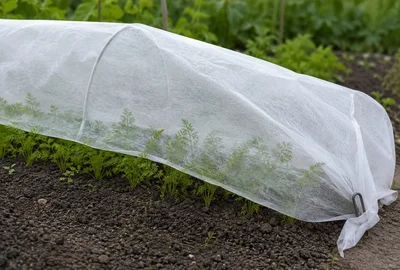
The most traditional and productive way to grow carrots. Prepare the soil thoroughly — remove every stone, break up any compaction, and incorporate well-rotted compost (not fresh manure). Sandy or sandy-loam soil gives the best results. Sow direct in shallow 1cm drills, 15cm apart, from March through July for a continuous harvest. Cover with horticultural fleece after thinning to deter carrot fly.
Suitable varieties: All varieties. Nantes, Berlicum, and Chantenay types perform best in open ground.
🪵 Raised Bed
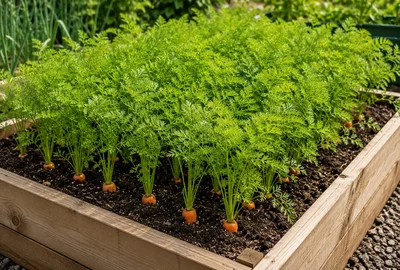
Raised beds are ideal for carrots — the loose, deep growing medium gives roots ideal conditions to develop long and straight without obstruction. Fill with a mix of loam, horticultural grit, and well-rotted compost. Raised beds warm up faster in spring, allowing earlier sowing, and drain freely which prevents waterlogging. Berlicum and Nantes varieties thrive particularly well in raised beds.
Suitable varieties: Berlicum, Nantes, Amsterdam Forcing, Adelaide F1. Any long or maincrop variety.
🪣 Container / Barrel
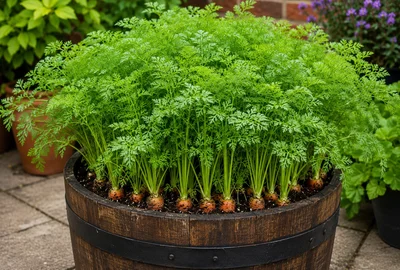
Carrots grow surprisingly well in deep containers — half barrels, large pots, and deep planters all work well. The container must be at least 30–40cm deep for standard varieties; Paris Market types will succeed in shallower containers of 20cm. Fill with loam-based compost mixed with grit for drainage. Complete control over the growing medium means stone-free, perfectly consistent conditions every time.
Suitable varieties: Paris Market, Amsterdam Forcing, Adelaide F1, Chantenay. Any early or short variety.
06 Companion Planting
✅ Grow nearby
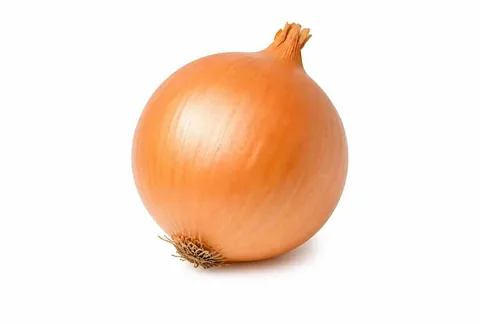
A classic combination — onions and carrots planted together confuse the pests of both crops. The smell of onion foliage masks the carrot scent that attracts carrot fly, and vice versa.
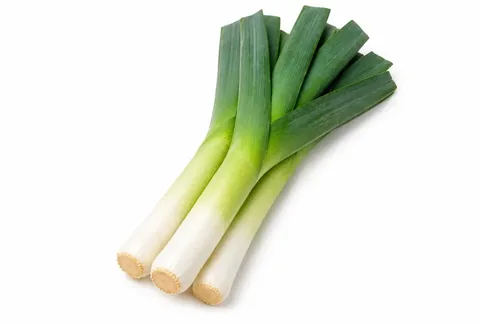
Leeks deter carrot fly while carrots are said to deter leek moth. Interplanting the two is a traditional and effective companion planting combination.
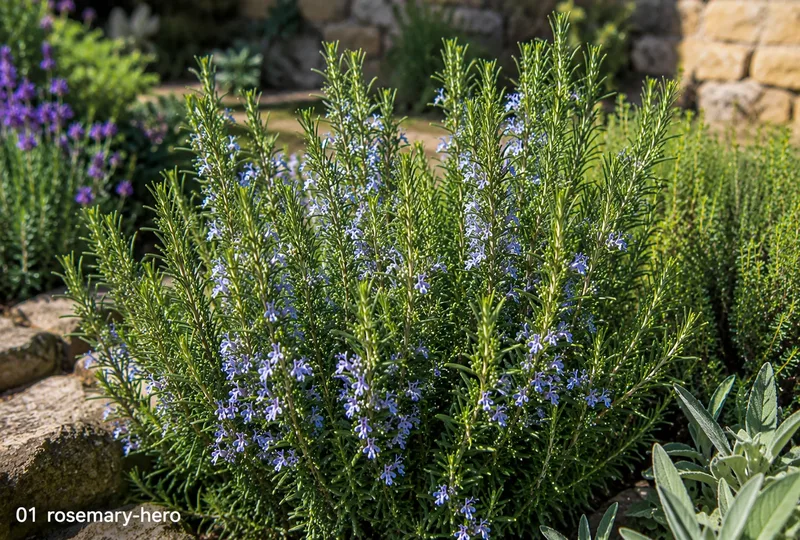
The strong aromatic oils of rosemary are thought to confuse and deter carrot fly. Planting rosemary at the edges of carrot beds is a traditional organic garden technique.
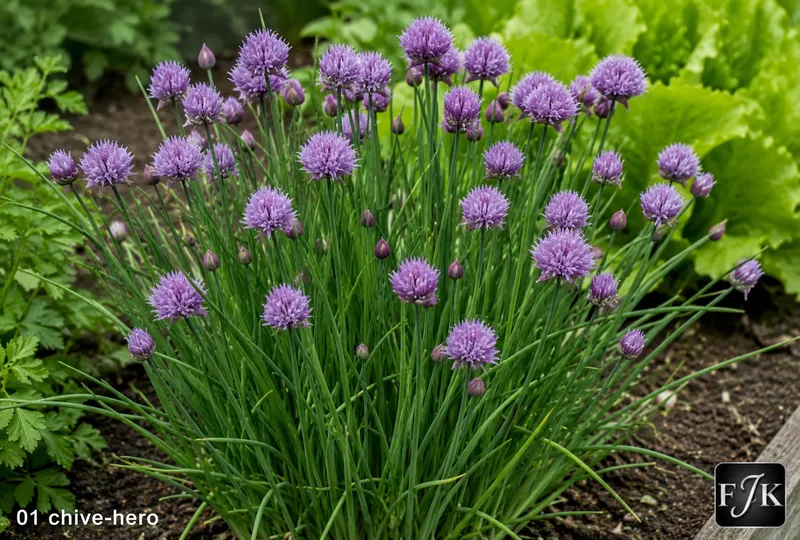
Chives planted around carrot beds are said to repel aphids and improve carrot vigour. An easy, low-maintenance companion for the carrot bed edge.
❌ Keep apart
- 🌿 Dill — Dill can cross-pollinate with carrots when both are in flower, potentially affecting seed quality. Keep well apart if saving seed.
- 🥕 Parsnips — Parsnips and carrots share the same pest — carrot fly — and should not be grown immediately adjacent. Spacing them apart reduces the risk of both crops being attacked simultaneously.
07 Sowing — How To
Carrots are always sown direct — they do not transplant and attempting to start them indoors results in forked, useless roots. Prepare the seedbed carefully: rake to a fine tilth, remove every stone, and sow in shallow 1cm drills from March onwards once soil temperature reaches at least 7°C. Germination is slow — 2–3 weeks in cool spring conditions. Do not re-sow until at least 3 weeks have passed.
Prepare the drill
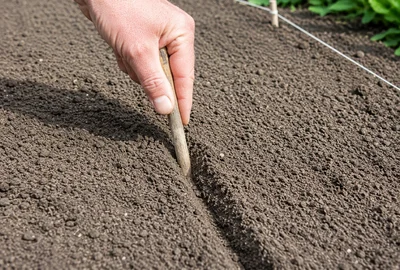
Using a cane, finger, or the corner of a hoe, draw a straight, shallow drill no more than 1cm deep. Rows should be at least 15cm apart. Firm the base of the drill lightly if the soil is loose.
Sow seeds
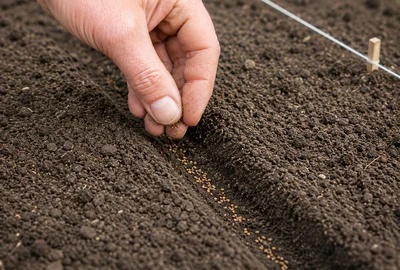
Mix carrot seed with dry sand at a ratio of 1 part seed to 4 parts sand — this dilutes the seed and makes thin, even sowing much easier. Sow thinly along the drill aiming for one seed every 2–3cm.
Cover lightly
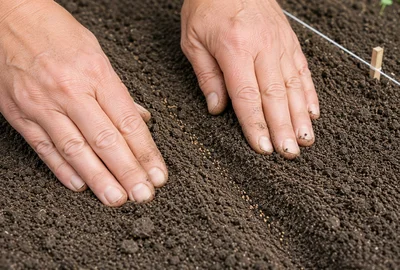
Gently rake fine soil back over the drill to cover the seeds to 1cm depth. Firm with the back of the rake. Do not compact heavily — carrot seeds are tiny and need loose, fine soil to germinate evenly.
Thin seedlings
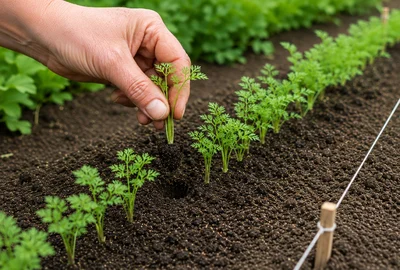
When seedlings reach 2–3cm tall, thin to 5–7cm apart. Always thin in the evening — the smell released attracts carrot fly. Firm the soil around remaining seedlings after thinning and water in.
Cover with fleece
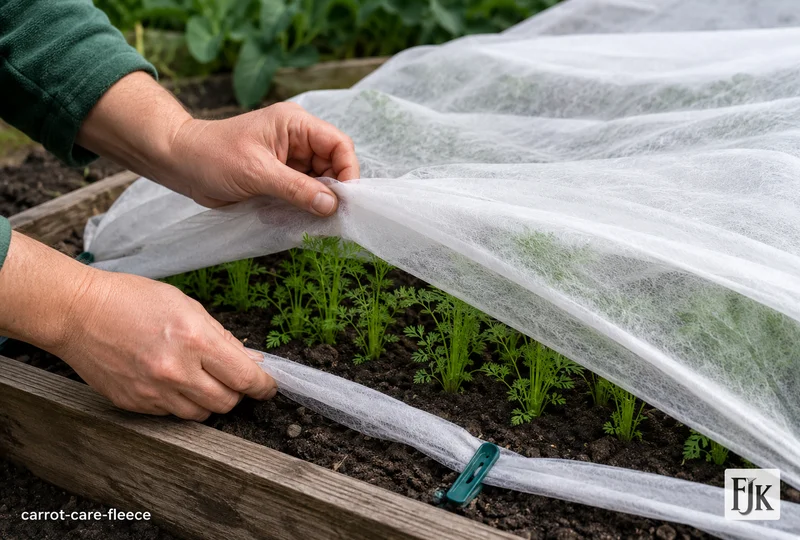
Immediately after thinning, cover the row with horticultural fleece or fine insect-proof mesh on hoops. The fleece acts as a physical barrier against the low-flying carrot root fly which is attracted by the scent of bruised foliage.
Harvest
Begin harvesting from June when roots are large enough to use. Loosen the soil with a fork before pulling — this prevents roots snapping. Maincrop varieties can be left in the ground until needed; cover with straw in hard frosts.
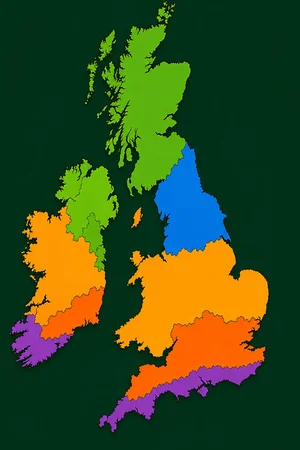
Regional sowing timing| Region | Sow / plant | Harvest | Notes |
|---|
| Scotland & Far North | Apr–Jun | Jul–Oct | Cold soils slow germination significantly — wait until April for reliable results · Apr to mid-June |
|---|
| Northern England | Mar–Jun | Jul–Oct | Soil temperature often too low before late March — sowing under fleece helps · Late March to June |
|---|
| Midlands & Wales | Mar–Jul | Jun–Oct | Good conditions from March; successional sowing every 3 weeks works well · March to July |
|---|
| Ireland & Isle of Man | Mar–Jul | Jun–Oct | Good conditions from March; successional sowing every 3 weeks works well · March to July |
|---|
| South & SE England | Mar–Jul | Jun–Oct | Earliest sowings from mid-March under fleece; last sowing July for autumn harvest · March to July |
|---|
| South Coast & SW | Mar–Jul | Jun–Nov | Most favourable region; long harvest season into November · March to July |
|---|
08 Using a Propagator
Carrots must always be sown direct in their final growing position — this is the one crop where a propagator plays no role whatsoever. Carrots develop a taproot within hours of germination and any disturbance, however gentle, causes the root to fork, twist, or fail entirely. Never sow in seed trays, modules, or pots with the intention of transplanting. There are no exceptions to this rule.
Heated propagator
Not applicable — carrots cannot be started in a propagator. Sow direct outdoors only. If warmth is needed to speed germination in early spring, lay a sheet of fleece or cloches directly over the sown row in the ground.
No propagator needed
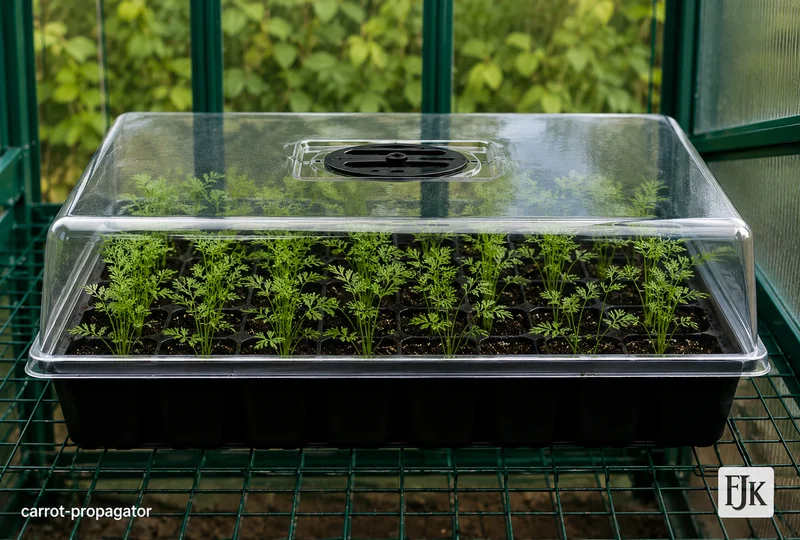
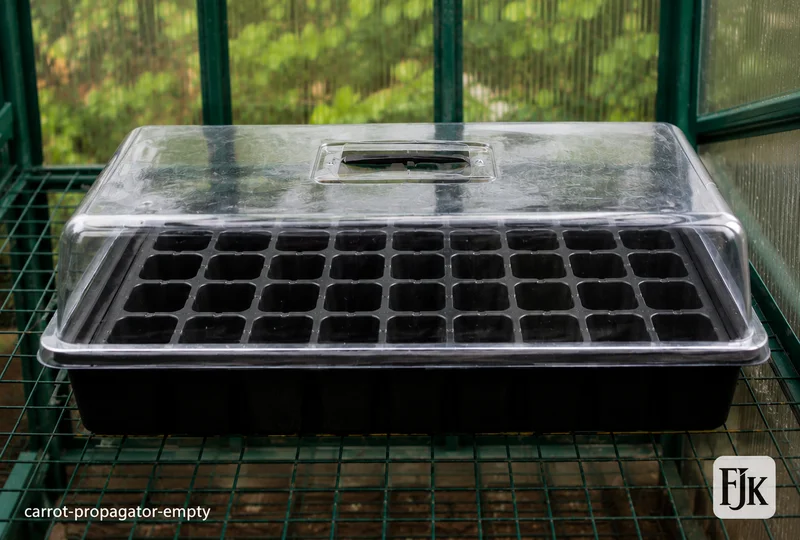
An empty tray like this has no role in growing carrots. Whatever the intention, resist the temptation to start seed indoors — the taproot begins forming within hours of germination and any later transplanting forks or ruins it permanently.
Skip the domed cover
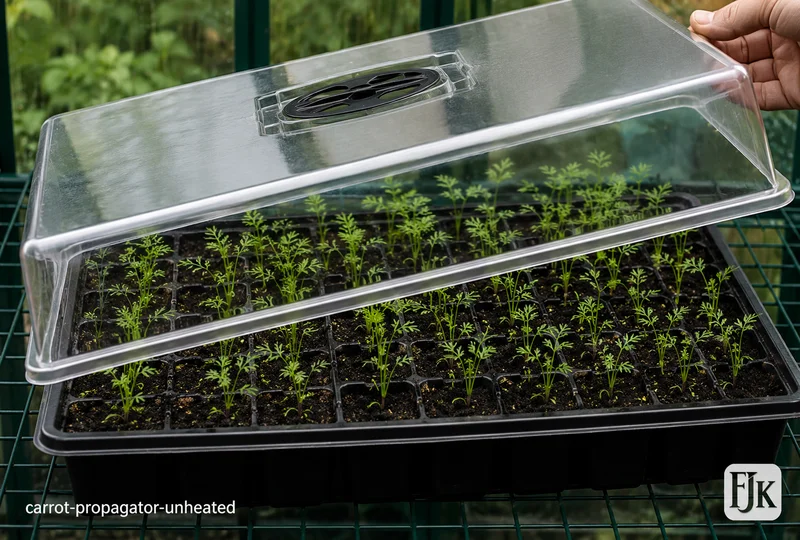
A domed, unheated propagator is just as unsuitable as a heated one. Carrot seedlings raised this way cannot be moved to their final position without root damage. If early warmth is wanted, put the cover over the sown row outdoors instead of over an indoor tray.
Sow direct instead
This is what carrot "propagation" actually looks like — seedlings raised in place, in open ground, from a direct-sown drill. There is no indoor stage to skip forward from; the drill in the bed is the only starting point that produces straight, usable roots.
09 Soil Requirements
- pH
- 6.0–6.8
- Best
- Sandy loam, Sandy
- Tolerates
- Loam
- Avoid
- Clay, Stony, Freshly manured
💡 Deep, loose, stone-free soil essential. Stones cause forking.
10 Ongoing Care
💧 Watering
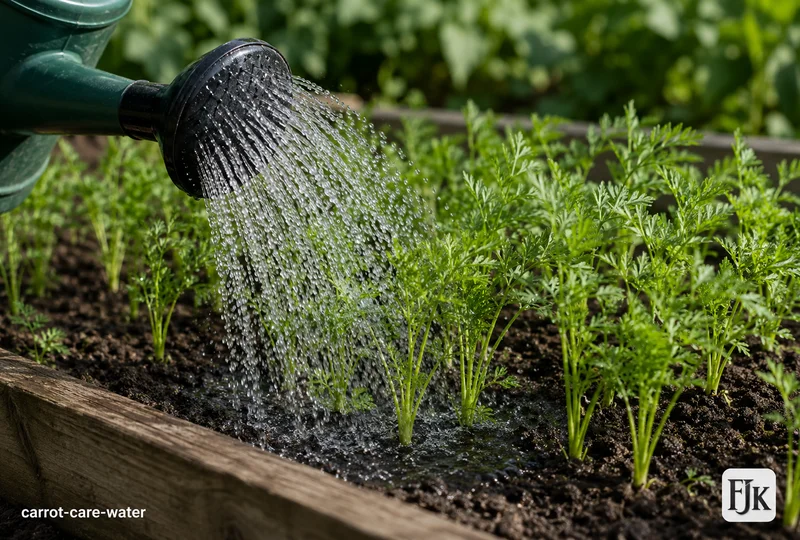
Consistent moisture is critical for well-shaped, crack-free carrots. Irregular watering — dry spells followed by heavy rain or watering — causes roots to swell suddenly and split. Water deeply and steadily throughout the season, particularly during dry spells in June and July when roots are swelling. A light mulch between rows helps retain moisture and even out extremes. Containers need daily checking in warm weather.
🌿 Weed Control
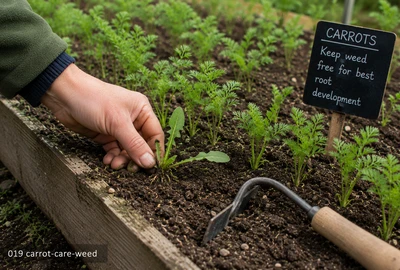
Young carrot seedlings are poor competitors and will be smothered by weeds if not kept clear. Hand-weed carefully between rows — hoeing risks disturbing the shallow developing roots. Once established, the feathery foliage shades the soil and suppresses weed growth naturally. The critical period is the first 6 weeks after germination.
🪲 Carrot Fly Protection
The carrot root fly is the most damaging pest. Females fly low (below 60cm) and lay eggs at soil level in response to the scent of carrot foliage — particularly after thinning. A physical barrier of fine insect mesh or fleece on hoops at least 60cm high around the bed gives complete protection. Always thin in the evening when flies are less active, and remove all thinnings from the site immediately. This combination is more reliable than any chemical treatment.
11 Watch Out For
WarningCarrot fly is the main enemy. The low-flying female is attracted by the scent of crushed carrot foliage — particularly during thinning. Always thin in the evening and remove all thinnings from the site immediately. A 60cm fleece or mesh barrier around the bed, or insect-proof netting from sowing to harvest, gives complete protection. Never add fresh manure in the year of growing — it causes forked, hairy, misshapen roots every time.
🐛 Insects & pests
- 🪰 Carrot Root Fly — Reddish-brown rusty tunnels running through the outside of carrot and parsnip roots — larval feeding channels
- 🐜 Aphids (Blackfly & Greenfly) — Curled, distorted, or stunted growing tips — aphids inject saliva that causes leaf curl to protect them
- 🐌 Slugs & Snails — Silver slime trails on leaves, soil, and pots — often the first sign before damage is found
🍄 Diseases to watch
- 🟣 Violet Root Rot — Violet root rot (Helicobasidium purpureum) is a soil-borne fungal disease causing a distinctive purple-violet feltlike coating on roots and crowns. It can devastate asparagus beds and severely damage root vegetable crops. Asparagus is particularly vulnerable as it cannot be rotated — an infected bed must be abandoned.
- 🌱 Damping Off — Damping off is a collective term for seedling death caused by several soil-borne pathogens including Pythium, Phytophthora, and Rhizoctonia. It is the most common cause of seedling failure in the propagation stage. Entire trays of seedlings can collapse and die overnight — there is no cure once symptoms appear.
Full identification and treatment advice is in the Pests and Diseases sections.
12 Harvesting
🥕 Harvest When Well Formed
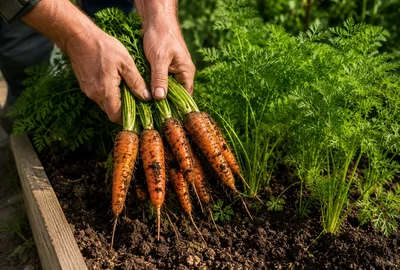
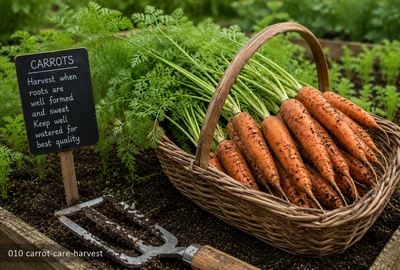
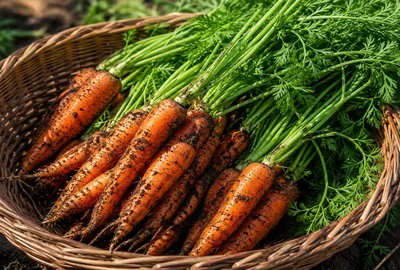
Harvest once roots are well formed and sweet — ease them out gently with a fork rather than pulling by the leaves, which snap easily. Keep the crop well watered in the weeks before lifting for the best flavour and texture.
13 Storage & Preserving
🥕 Fresh in the Fridge
Freshly harvested carrots with tops removed keep for 2–3 weeks in the fridge in a sealed bag. Remove the leafy tops before storing — they draw moisture out of the root. Do not wash until use. Carrots store best at just above freezing in high humidity — the salad drawer is ideal.
🪣 Root Cellar — Sand
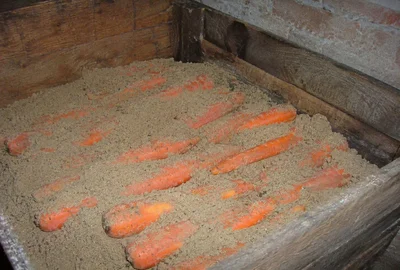
The traditional method for long-term storage. Layer carrots in a wooden box between slightly damp sand, ensuring roots do not touch each other. Store in a cool (2–4°C), dark, frost-free place. Maincrop carrots keep perfectly for 4–6 months this way. Check monthly and remove any soft roots before they affect neighbours.
❄️ Freezing
Carrots freeze well but must be blanched first. Peel and cut into coins or batons. Blanch in boiling water for 2–3 minutes, drain, plunge into ice water, drain again, spread on a tray to freeze solid, then bag. Keeps for 12 months. Cook from frozen directly into soups, stews, and casseroles.
🍲 Cooking a Glut
A carrot glut is one of the easiest to deal with. Carrot soup freezes superbly — make in large batches with ginger, coriander, or orange and freeze in portions. Honey-glazed roasted carrots can be par-cooked and frozen. Carrot cake uses enormous quantities. Carrot chutney and spiced pickle are good uses for a glut too.
14 Expert Tips
💡 Sand dilutes carrot seed perfectly
Mixing carrot seed with fine dry sand at about 4:1 sand-to-seed is the most effective way to achieve thin, even sowing. The sand dilutes the tiny seeds and makes spacing along the drill much easier to control — resulting in less thinning work later and better root development.
💡 The 60cm barrier is your best defence
A 60cm physical barrier around the carrot bed is more reliable than any other treatment against carrot fly. The female fly stays within 45–50cm of the ground. A barrier of fleece or fine mesh just above this height completely stops egg-laying — grow under it from sowing to harvest for complete protection.
💡 Never add fresh manure
The most common cause of forked carrots is fresh manure in the soil. Never dig in manure in the season you intend to grow carrots — prepare the bed the previous autumn with well-rotted compost only. Freshly manured ground also causes multiple branching and excessive hairy roots.
💡 Leave maincrop in the ground
Maincrop carrots left in the ground through autumn are often better than any stored version. Cover the row with a thick layer of straw or bracken when hard frosts threaten and lift as needed through winter. This is the simplest and most effective storage method for a heavy maincrop.
15 Common Mistakes
⚠ Sowing & Establishment
- Starting carrots indoors or in modules — transplanting always causes forking; there are no exceptions to this rule
- Sowing too thickly — results in overcrowded seedlings, heavy thinning work, and poor root development
- Adding fresh manure — causes forked, misshapen, hairy roots; use only well-rotted compost
- Sowing when soil is below 7°C — germination is erratic; wait for April in Scotland and the North
⚠ Ongoing Care
- Thinning in daytime — releases the scent that attracts carrot fly; always thin in the evening
- Leaving thinnings on the soil — the crushed foliage smell persists for hours; remove all thinnings immediately
- No physical barrier against carrot fly — the 60cm fleece or mesh barrier is the most important single preventive measure
- Irregular watering — causes roots to split suddenly after dry spells; keep soil consistently moist throughout