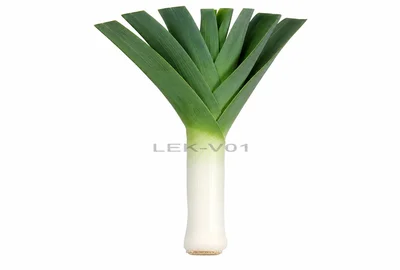
Jolant
Early · Long Shank
Long, elegant pale shank with upright mid-green flags. One of the finest early leeks — mild, tender, and very productive. AGM holder.
- AGM
- Early
- Long Shank
- Mild Flavour
Allium porrum
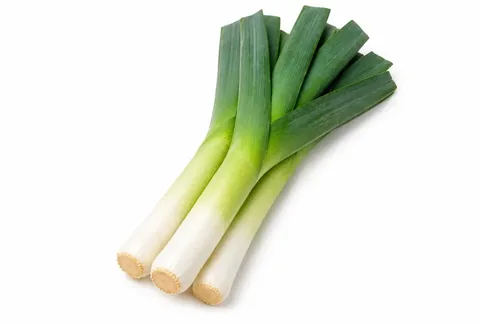
Leeks are one of the most dependable and versatile vegetables in the British kitchen garden — a true winter stalwart that stands in the ground from autumn right through to spring, ready to harvest as needed. Hardy enough to shrug off hard frosts and snow, they fill the hungry gap between the end of summer crops and the start of the new season. The flavour is milder and sweeter than onions, making them as good raw in salads when young as they are slow-cooked in soups, gratins, and pies. Leeks are slow-growing but undemanding once established, and the range of varieties available allows for a continuous harvest from September all the way through to April.
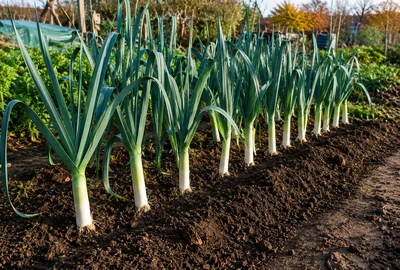
Leeks fall into four seasonal groups that between them provide harvest from early September through to late April. Early varieties are long, slender-shanked and mild — excellent fresh but less frost hardy. Mid-season varieties are the workhorses: longer shanks, heavier yields, and good frost tolerance. Late and winter varieties are short and stocky with very dark, sometimes blue-black foliage — designed to stand hard through February and March. Heritage and specialist varieties include the deeply coloured Blue Solaise, purple-tinged St Victor, and the chunky barrel-stemmed Carentan — all slower but with outstanding character.
The number of varieties shown for each crop is based on UK consumption data (2025/26) — the more popular the crop, the more variety choices we include.
Long, slender-shanked varieties for harvesting from September to November. Milder flavour, less frost hardy than winter types.
Long, elegant pale shank with upright mid-green flags. One of the finest early leeks — mild, tender, and very productive. AGM holder.
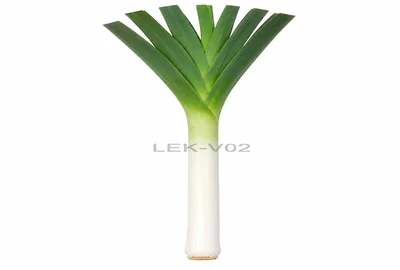
Exceptionally long and slender pale shank. Fast-maturing and very uniform — one of the best early varieties for show and kitchen alike.
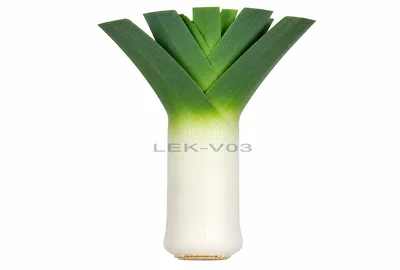
Vigorous F1 variety producing very thick, chunky shanks. High yields and good uniformity. An excellent choice for heavy crops from a small space.
Tall, productive varieties harvesting October through January. Good frost tolerance and excellent shank length.
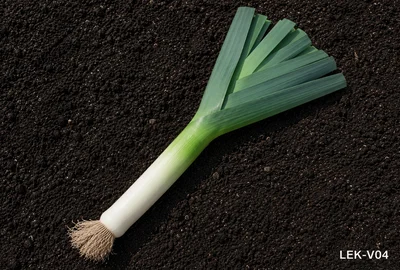
Classic mid-season variety with long, thick shanks and good yields. Very reliable performer across all UK regions.
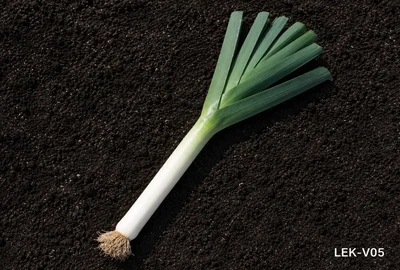
Upright, well-blanched shanks with good rust resistance. Consistent and clean-looking. Well suited to raised bed and allotment growing.
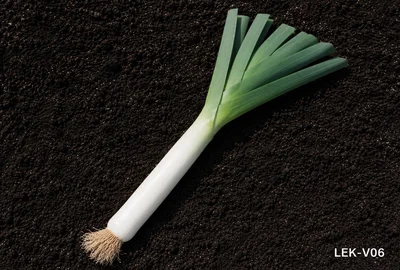
Solid, thick-stemmed mid-season leek with good uniformity. Strong, upright growth. Well regarded for allotment and market garden use.
Short, stocky, very hardy varieties for harvesting January through April. Deep blue-green foliage and exceptional frost resistance.
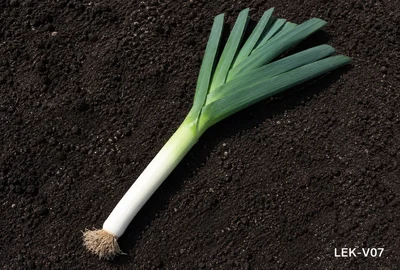
The most famous British leek — a classic Scottish heritage variety with short, stocky shanks and broad spreading leaves. Iron-hard frost resistance.
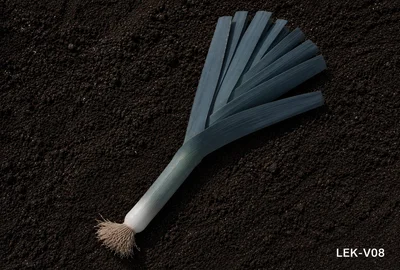
Very dark blue-black foliage — almost black in hard frost. Outstanding cold hardiness, standing through February and March without damage. AGM holder.
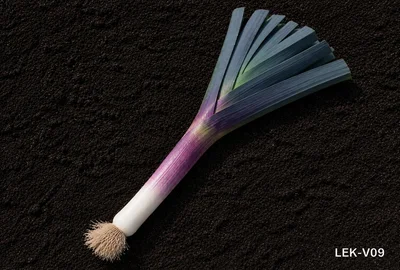
Heritage variety with distinctive purple-flushed leaf bases and dark green upper foliage. Striking ornamental appearance alongside good eating quality.
Deeply coloured and distinctively shaped heritage varieties. Slower growing but with outstanding character, colour, and flavour.
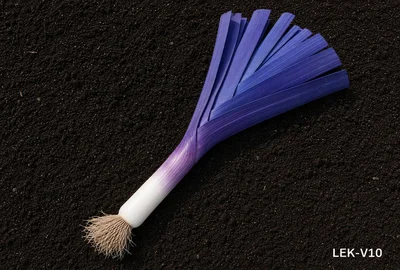
Extraordinary vivid blue-violet leaves that intensify in cold weather. A French heritage variety of great beauty — one of the most striking vegetables you can grow. Very hardy.
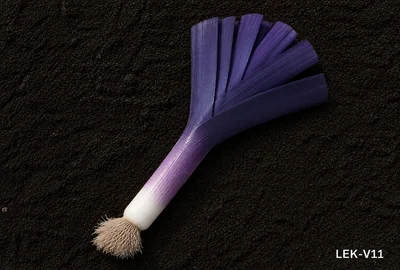
Deep blue-purple colouring throughout the foliage. Shorter and stockier than Blue Solaise but equally striking. Rich, full flavour. Very frost hardy.
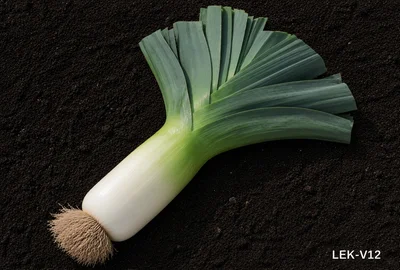
Traditional French heritage leek with a very thick, barrel-like stem and broad spreading leaves. Compact and robust — a distinctive old variety rarely seen in modern catalogues.
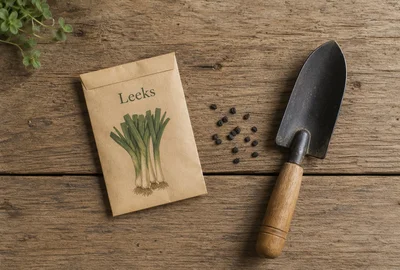
Leek seeds are widely available from all major UK seed suppliers. For heritage varieties — particularly Blue Solaise, St Victor, and Carentan — specialist seed suppliers, heritage seed libraries and seed swaps offer the best selection. Most garden centres stock Musselburgh and one or two F1 types as plug plants in spring, which is useful if you have missed the sowing window.

Online specialist seed companies offer the widest variety selection including heritage types, exhibition leeks, and unusual varieties unavailable in garden centres. Order from January.
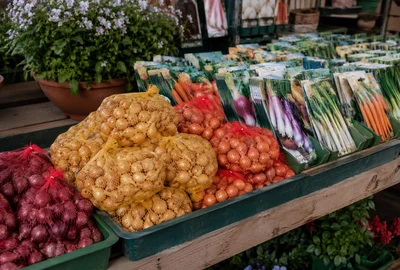
Convenient for standard varieties. Stocks from February. Good for plug plants if you miss the sowing window — available from March to May.
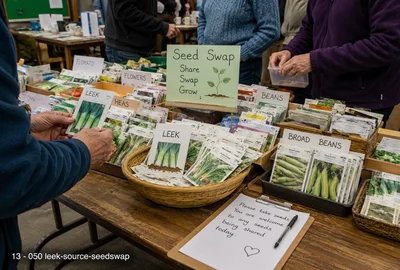
Leek seeds remain viable for 2–3 years. Local seed swaps and gardening clubs are excellent sources for heritage and exhibition varieties.
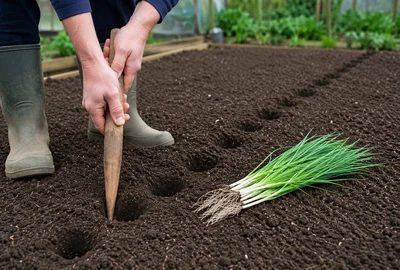
The traditional method. Start leeks in a seed tray indoors in February to April. When seedlings are pencil-thick (about 20cm tall), transplant by making deep holes with a dibber — 15cm deep, 15cm apart in rows 30cm apart. Drop a single seedling into each hole and fill with water rather than soil. This blanches the stem naturally as it fills the hole. Earth up stems as plants grow to increase the white blanched section.
Suitable varieties: All varieties. Particularly good for mid-season and winter types that need depth to develop a long shank.
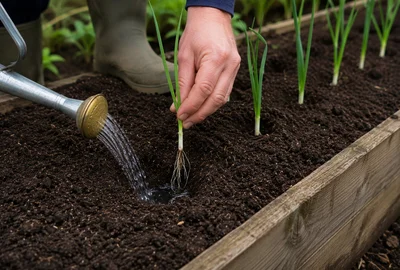
Raised beds with deep, well-improved compost-rich soil are ideal for leeks — the extra depth allows full shank development without compaction. Transplant using the same dibber-hole method as open ground. Raised beds warm up faster in spring and the improved drainage prevents waterlogging in winter. Space at 15cm × 30cm.
Suitable varieties: All varieties. Raised beds particularly benefit mid-season and heritage types.
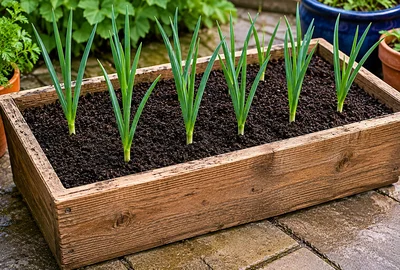
Leeks grow well in deep containers — a minimum depth of 30cm is essential for shank development. Use a rich, free-draining compost mixed with garden soil or loam. Plant 6–8 leeks per standard trough at 12–15cm spacing. Water regularly as containers dry out faster than open ground. Early and mid-season varieties suit containers best.
Suitable varieties: Early and mid-season varieties: Jolant, King Richard, Pandora, Autumn Giant. Avoid very late winter types in small containers.

A classic companion pairing. Leeks deter carrot fly with their strong scent; carrots are thought to help repel leek moth. Interplanting the two crops provides mutual protection.
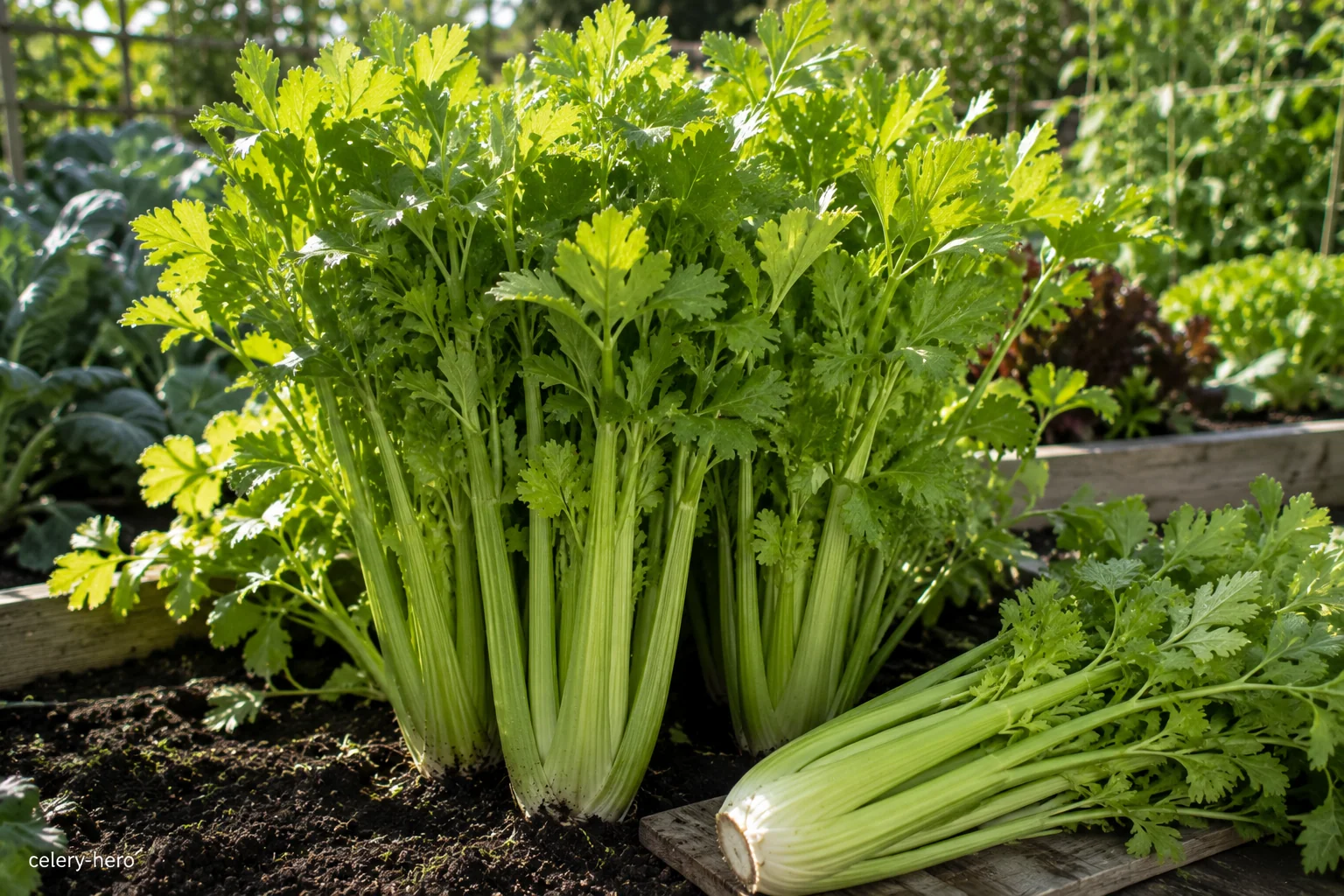
Celery and leeks grow at similar rates and share compatible soil needs. The two crops are thought to benefit each other when grown in close proximity.

Leeks and brassicas are good neighbours in the rotation — leeks follow brassicas well and the two crops share no major pests or diseases.
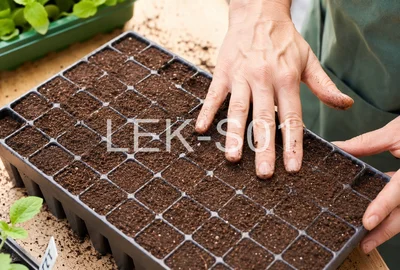
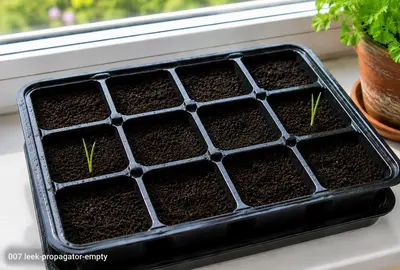
Fill a standard seed tray or module tray with fine seed compost. Firm lightly and level — leek seeds are tiny and need a fine, even surface. A modular tray with 40–60 cells works well and reduces root disturbance at transplanting.
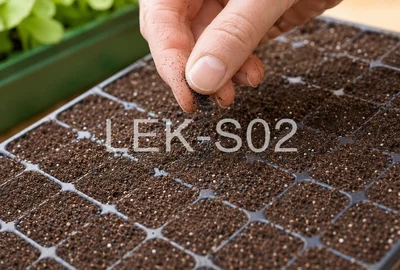
Sow 3–4 seeds per module, or scatter thinly across a flat seed tray. Leek seeds are small and black — aim for even coverage at about 1cm deep.
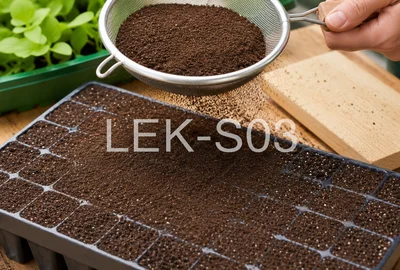
Sieve a thin covering of fine compost — about 5mm — over the seeds. Leek seeds need darkness to germinate. Press down lightly with a board to ensure good contact between seed and compost.
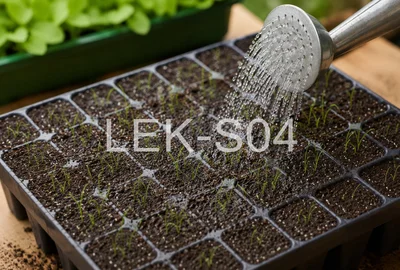
Water with a fine rose or by standing the tray in water until the surface darkens. Leek seeds wash easily — never use a strong jet. Label clearly with variety name and date.
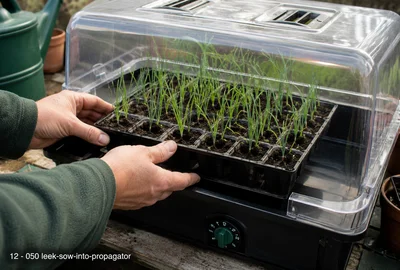
Place the tray in a propagator at 16–18°C — if you don't have one, a warm windowsill or airing cupboard works well. Germination takes 10–14 days. Ventilate once shoots appear.
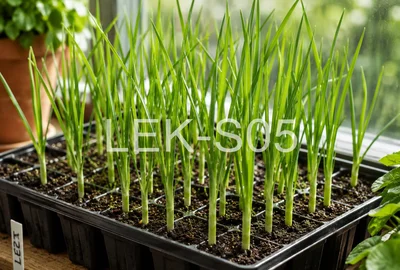
Once germinated, move to the brightest spot available. Grow on until seedlings are 15–20cm tall and pencil-thick at the base — this takes 8–12 weeks. Harden off for 7–10 days before transplanting.

| Region | Sow / plant | Harvest | Notes |
|---|---|---|---|
| Scotland & Far North | Feb–Mar | Oct–Mar | Feb–Mar |
| Northern England | Feb–Apr | Oct–Mar | Feb–Apr |
| Midlands & Wales | Feb–Apr | Sep–Mar | Feb–Apr |
| Ireland & Isle of Man | Feb–Apr | Sep–Mar | Feb–Apr |
| South & SE England | Feb–Apr | Sep–Apr | Feb–Apr |
| South Coast & SW | Feb–Apr | Sep–Apr | Feb–Apr |
Leeks are started indoors in a seed tray or module tray from February onwards. They are modest in their heat requirements — cooler than tomatoes or peppers — and germinate reliably without high temperatures.
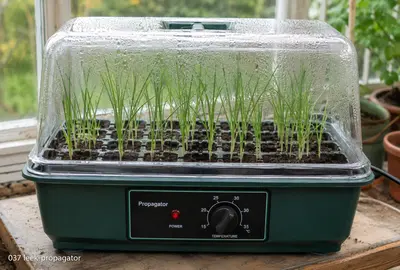
A propagator set to 16–18°C gives the most reliable and even germination — if you don't have one, a warm windowsill, the top of a boiler, or a warm shelf in an airing cupboard works equally well. Move seedlings to your brightest spot as soon as they emerge.
An unheated propagator on a warm windowsill is ideal for early sowings in February — without one, covering the tray with a clear polythene bag or a sheet of glass retains warmth and moisture until germination.
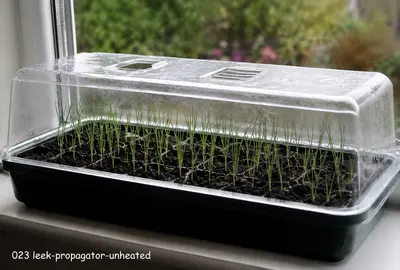
Standard unheated propagator — A lidded seed tray traps warmth and humidity around germinating seeds without electricity. Performance depends entirely on room temperature — best placed on a warm windowsill and used from March onwards. Replace the lid promptly after watering. Remove it completely the moment seedlings emerge to prevent damping off.
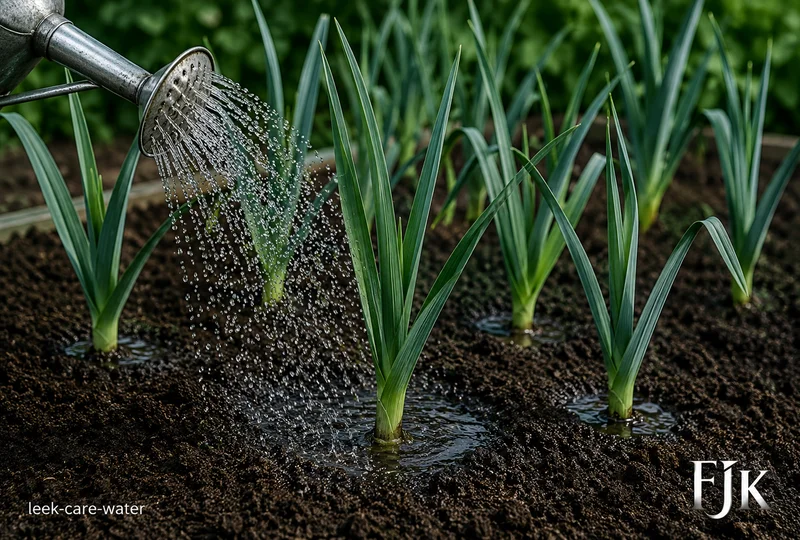
Leeks need consistent moisture, especially in the weeks after transplanting. Water into each dibber hole at planting and again regularly for the first three weeks. Once established, water deeply in dry spells — roughly every 7–10 days in summer. Avoid overwatering in autumn and winter when plants are standing in cold ground.
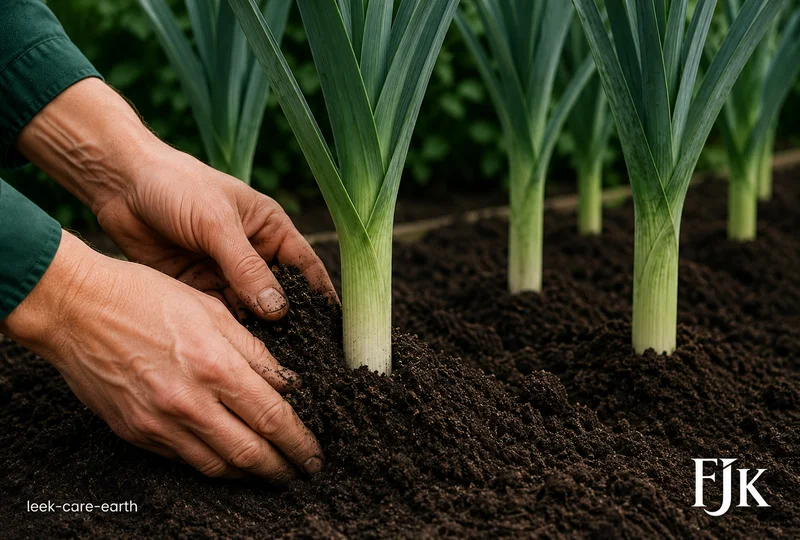
Draw soil up around the shanks as leeks grow to increase the length of the blanched white section. Do this gradually in two or three stages through summer and autumn. Earthing up also supports tall plants against wind. Avoid getting soil between the leaves, which can cause rotting.
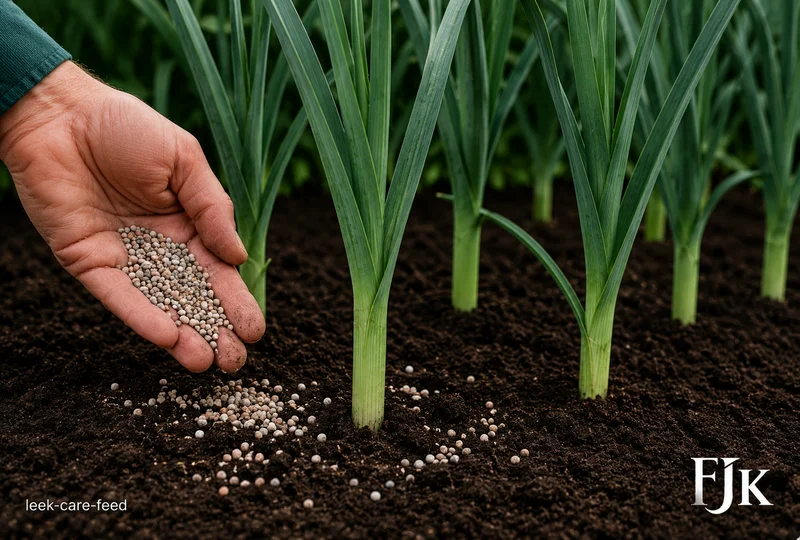
Leeks are moderate feeders. Apply a balanced general fertiliser at transplanting if soil is not already rich. A liquid feed high in nitrogen in July encourages good shank development. Avoid high-nitrogen feeding after August — it promotes lush growth susceptible to leek rust.
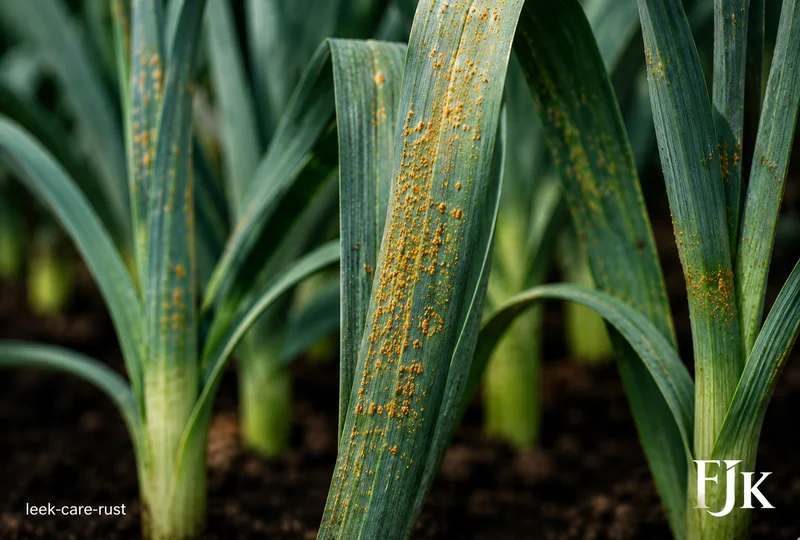
Leek rust (orange pustules on the outer leaves) is common in wet summers. It rarely kills plants but reduces yields. Remove and bin — not compost — badly affected outer leaves. Improve air circulation by spacing plants adequately. Choose rust-resistant varieties such as Pandora if rust is a recurring problem on your plot.
Leek white rot and leek rust are the two main disease risks. Both are soil-borne or weather-related — maintain strict crop rotation, never replant alliums in infected soil, and choose rust-resistant varieties if rust is a recurring problem on your plot.
Full identification and treatment advice is in the Pests and Diseases sections.
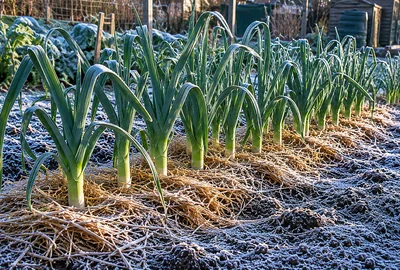
Leeks are best stored where they grow. Hardy varieties stand through hard frosts, snow, and temperatures well below zero. Harvest individually as needed from September through to April. The soil protects the roots and the leek stays fresh far longer than any refrigerated alternative. Mulch around the base in severe cold spells.
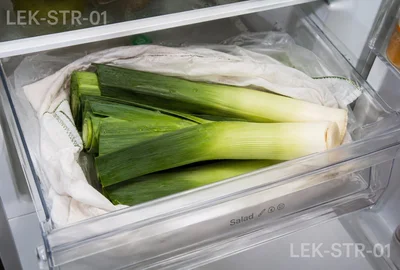
Trimmed leeks keep for 1–2 weeks in the fridge. Wrap loosely in a damp cloth or place in an open bag in the salad drawer. Best for early or mid-season varieties that do not overwinter well outdoors, or when you have harvested more than you can use immediately.
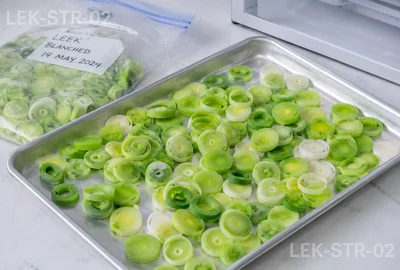
Leeks freeze very well. Slice into rings, blanch in boiling water for 2 minutes, drain, cool, and open-freeze on a tray before bagging. Frozen leeks are not suitable for salads but are excellent in soups, stews, and pies straight from frozen. Use within 9 months for best flavour.
The traditional dibber-hole method naturally blanches the stem — the deeper the hole, the longer the white section. Aim for 15cm minimum depth; 20cm produces a very fine shank.
Leek rust (orange pustules on leaves) is common in wet summers. Remove badly affected outer leaves and choose rust-resistant varieties like Pandora if it is a recurring problem on your plot.
Draw soil around the stems in two or three stages through the season rather than all at once. This extends the blanched white section without risking soil getting between the leaves.
A single sowing in February transplanted in May can provide harvests from September right through to the following April — over 10 months from one batch of seed.
Blue Solaise and St Victor develop striking blue-violet colouring after the first hard frosts. They are among the most beautiful vegetables you can grow and excellent in flavour.