Sow direct outdoors from April — no indoor starting needed
Chard seeds are corky clusters that each contain 2–4 seeds; expect multiple seedlings per sowing point
Sow 2cm deep, one cluster every 10cm, then thin to final 20–30cm spacing
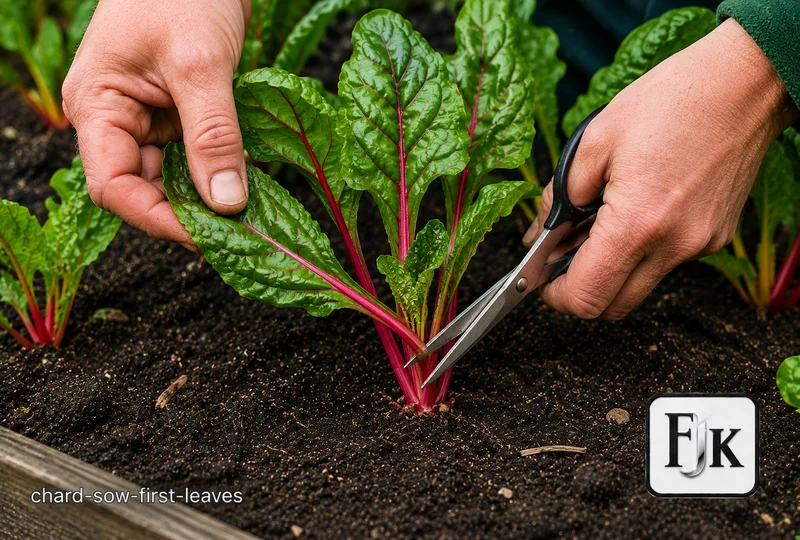
Always harvest outer leaves first — never remove the central growing crown
Water consistently in dry spells; drought is the main cause of early bolting
Cut plants back hard in late winter — they regrow vigorously before finally running to seed
A second sowing in July gives fresh young plants through autumn and winter
🌱 SowApr–Aug (direct or modules)
🌾 HarvestJun–Mar
☀ PositionSun or part shade
📐 Spacing20–30cm
DifficultyEasy
⚡ Quick facts
Difficulty
Very Easy
Crop type
Hardy Biennial grown as Annual
Position
Full Sun or Part Shade
Soil
Any reasonably fertile, moisture-retentive soil
Container friendly
Yes — large pots and deep troughs
Greenhouse recommended
Not needed, but extends season at both ends
Outdoor suitable
Yes — all UK regions, year-round with mild winters
Frost hardy
Yes — hardy to approximately -10°C; fleece protects in severe weather
01 About
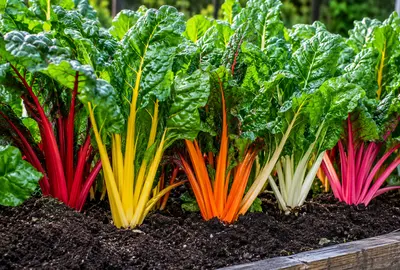
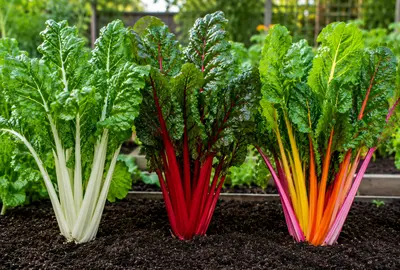
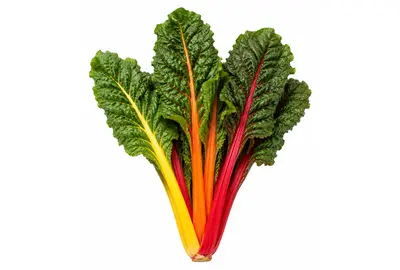
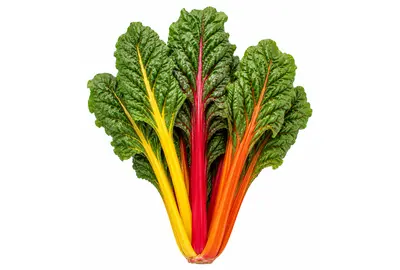
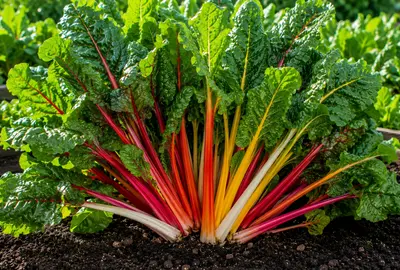
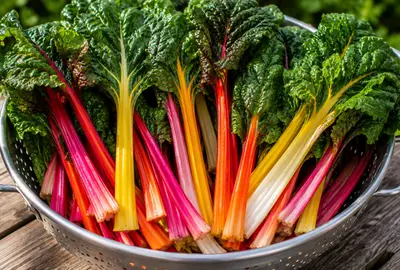
Chard is one of the most reliable, productive, and ornamental vegetables in the British kitchen garden. A single sowing in spring delivers harvests right through to the following March — no other leafy vegetable comes close to matching its season length. Rainbow chard, with stems blazing in red, orange, yellow, white and pink, transforms any bed into something genuinely spectacular.
02 What to Grow
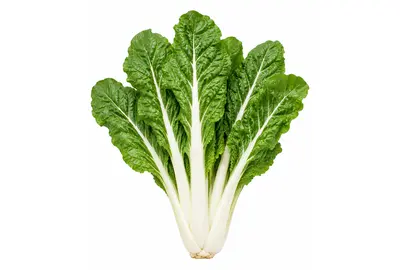
Chard comes in three distinct horticultural groups, each with its own character. Swiss chard, with thick white stems and enormous, slightly blistered dark green leaves, is the traditional allotment staple — productive, extremely hardy, and outstanding for cooking. Ruby and red-stemmed chards bring dramatic colour to the garden and the plate. Rainbow chard mixes are the most spectacular of all — a single packet produces plants with stems in white, yellow, orange, red and pink, making them as ornamental as any bedding plant while delivering leaves continuously for nine months or more.
03 Varieties
The number of varieties shown for each crop is based on UK consumption data (2025/26) — the more popular the crop, the more variety choices we include.
⬜ Swiss Chard (White-Stemmed)
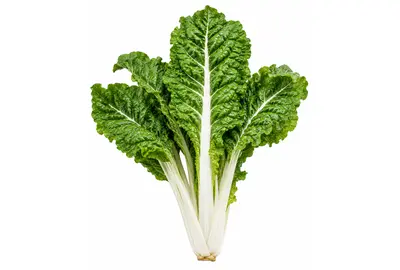
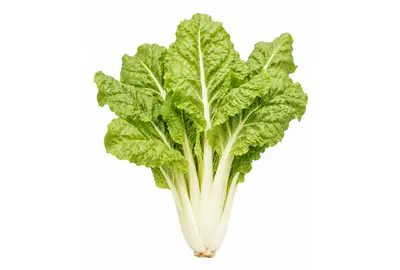
The classic allotment chard — broad white stems and large, blistered dark green leaves. The most productive type for bulk harvest and cooking. Very hardy and long-standing.
Fordhook Giant
Swiss Chard · Heritage
The benchmark white Swiss chard — enormous, broad, blistered dark green leaves on thick white stems up to 8cm wide. One of the most productive chard varieties available. Long-standing and very hardy. Excellent for cooking; stems make a superb alternative to celery in soups and stews.
AGM
Heritage
High Yield
Hardy
Classic
Lucullus
Swiss Chard · Heritage
Medium-large white Swiss chard with broad, crinkled, pale green leaves and creamy-white stems. Slightly more compact than Fordhook Giant and with a milder, more delicate flavour. A traditional heritage variety widely grown on UK allotments.
AGM
Heritage
Mild Flavour
Hardy
Classic
White Silver 2
Swiss Chard · Classic
Neat, upright white Swiss chard with smooth mid-green leaves and bright white stems. A reliable, compact variety well suited to smaller plots and raised beds. Good bolt resistance and excellent winter hardiness.
Compact
Bolt Resistant
Hardy
Reliable
🔴 Ruby & Red-Stemmed Chard
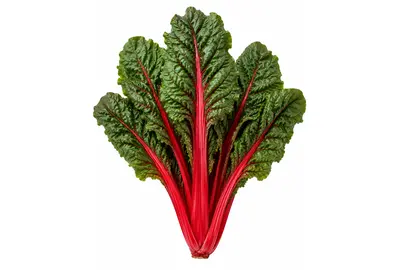
Vivid red and crimson-stemmed varieties with deeply coloured midribs. Ornamental as well as productive. Slightly smaller-leaved than Swiss chard but with outstanding colour.
Ruby Chard
Red-Stemmed · Classic
The original red-stemmed chard — deep crimson stems and midribs contrasting dramatically with dark green, slightly blistered outer leaves. Very good flavour with a slight earthiness. Productive and hardy. The stems retain their colour better when steamed or very briefly cooked.
AGM
Ornamental
Flavour
Hardy
Classic
Rhubarb Chard
Red-Stemmed · Vivid
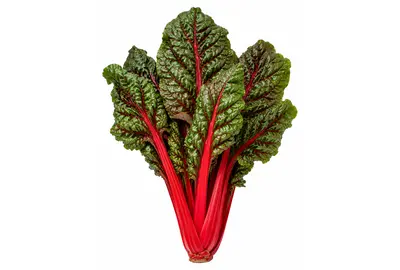
Scarlet-red stems even more intensely coloured than Ruby chard, with slightly more crinkled dark green leaves. The colour is vivid from seedling stage and intensifies as the plant matures. Outstanding ornamental value in the kitchen garden and on the plate.
AGM
Intense Colour
Ornamental
Productive
Charlotte
Red-Stemmed · Compact
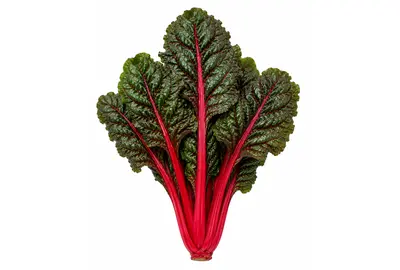
Compact, ornamental variety with deep garnet-red stems and dark red leaf veins through glossy dark green outer leaves. Smaller and more refined. Particularly good for container growing and raised beds where space is limited.
AGM
Compact
Container
Ornamental
Flavour
🌈 Rainbow Chard
Mixed and multi-coloured varieties with stems in combinations of white, yellow, orange, red and pink. As ornamental as any flowering plant while delivering leaves for months.
Bright Lights
Rainbow · Mixed
The most widely grown and reliable rainbow chard mix — vivid stems in yellow, orange, red, pink and white growing together in one packet. Very productive, with stems that hold their colour well both in the garden and on the plate.
AGM
Rainbow
Mixed
Most Popular
Productive
Five Colour Silverbeet
Rainbow · Full Spectrum
The full rainbow mix — stems in white, cream, yellow, orange, red and vivid pink in a single planting. One of the most spectacular vegetables in the kitchen garden. A traditional New Zealand variety grown for over a century.
Rainbow
Full Spectrum
Spectacular
Heritage
Yellow Chard
Rainbow · Single Colour
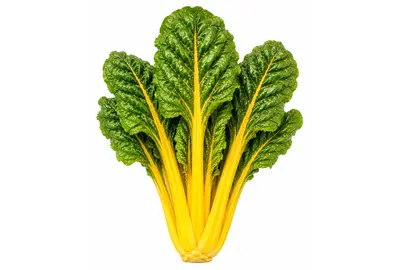
Bright golden-yellow stems and midribs against glossy, deeply textured green leaves. The yellow colour is more stable when cooked than red or orange types, making it particularly useful in the kitchen. Very productive and hardy.
Yellow
Stable Colour
Productive
Hardy
04 Where to Source
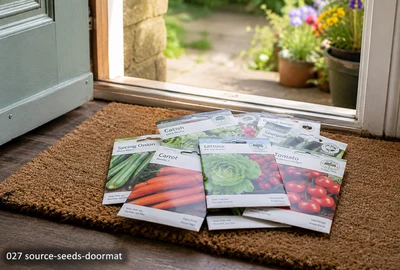
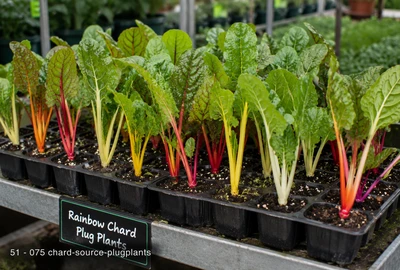
Chard seed is among the cheapest and most widely available vegetable seed in the UK. All major seed companies, garden centres, and supermarkets stock at least one Swiss chard and one rainbow type. For the full range of colours including named varieties like Charlotte, Lucullus, and Five Colour Silverbeet, specialist online seed companies offer the widest choice. Chard is also commonly available as plug plants from April onwards.
📬 Seeds by Post
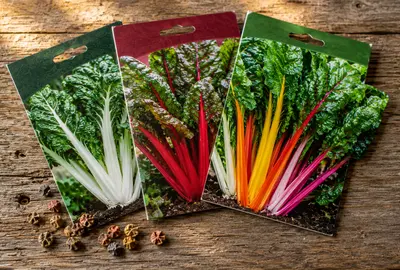
Specialist online seed companies carry the widest range of chard including named rainbow types, coloured singles, and heritage Swiss varieties. Chard seed is inexpensive and long-lived. Order from January.
🏪 Garden Centres
Most garden centres stock Swiss chard and a rainbow type from February. For specific named varieties like Charlotte or Five Colour Silverbeet, order online. Plug plants available from April.
🌱 Plug Plants
Chard is widely available as plug plants from spring — a useful shortcut if you miss the early sowing window. Multi-colour rainbow plugs are particularly popular and widely stocked.
Timing tip: Order seeds in January and February. Popular varieties sell out quickly. Garden centres and markets are a reliable backup from April onwards.
05 Planting Options
🌿 Open Ground
The standard method. Chard thrives in any reasonably fertile, well-drained garden soil and asks for very little preparation. Sow direct in shallow drills 2cm deep from April onwards, thinning progressively to 20–30cm. Chard fits well as a follow-on crop after early peas or broad beans.
Suitable varieties: All varieties. Best method for main-season and winter crops.
🪵 Raised Bed
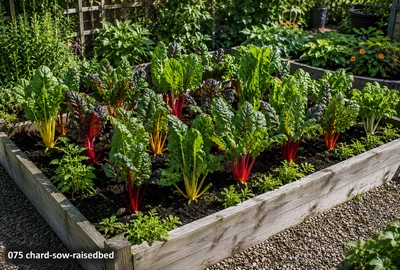
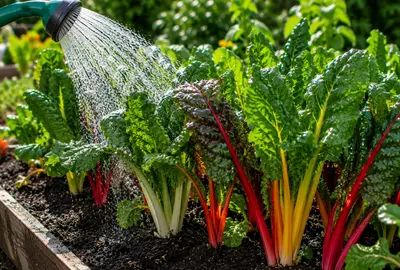
Raised beds suit chard extremely well — improved drainage prevents waterlogging in winter while deeper soil retains moisture through summer. Rainbow chard planted in a raised bed is genuinely ornamental as well as productive, making it one of the most rewarding crops for any visible garden space.
Suitable varieties: All varieties. Particularly effective for rainbow types in visible garden positions.
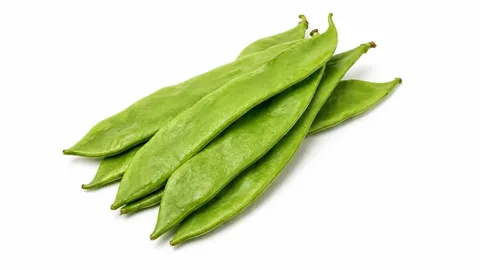
Nitrogen-fixing beans improve soil fertility for the following chard crop. The tall growth of climbing beans provides useful afternoon shade for chard in hot summer conditions, reducing bolt risk.
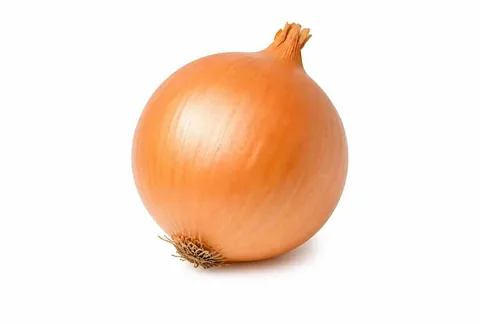
Onions and chard are compatible neighbours that share similar soil and watering needs. Onion family members deter some of the aphids that occasionally colonise chard in warm weather.
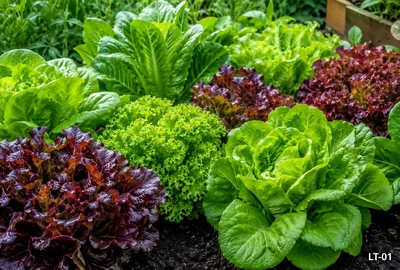
Lettuce and chard grow well together in the same bed. Lettuce matures and is cleared before chard needs full space, making excellent use of available ground through spring and early summer.
❌ Keep apart
🟣 Beetroot — Chard and beetroot are the same species (Beta vulgaris) and attract identical pests and diseases. Growing them together concentrates pressure from leaf miners and aphids. Separate them in the rotation plan.
🌿 Spinach — Spinach and chard share the same family and the same pest and disease pressures. Avoid growing in adjacent rows and rotate them together as a group in a 4-year plan.
07 Sowing — How To
🌱 Direct Sowing (Outdoors)
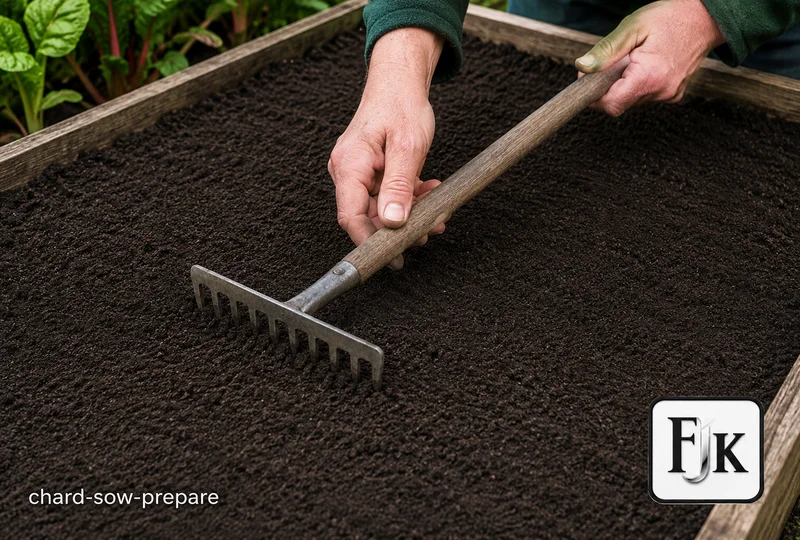
Prepare the seedbed
Rake the soil to a fine, firm tilth. A weed-free, level seedbed gives the best germination and makes thinning easier. If soil is very poor, rake in a general-purpose fertiliser before sowing.
Make shallow drills
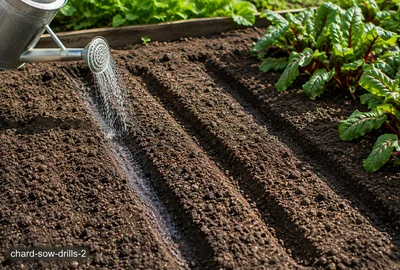
Draw shallow drills 2cm deep and 30cm apart. Water the drill before sowing if the soil is dry — germination is much more reliable in moist conditions.
Sow the seed clusters
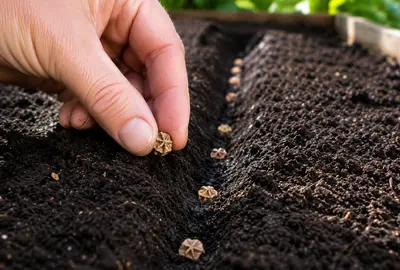
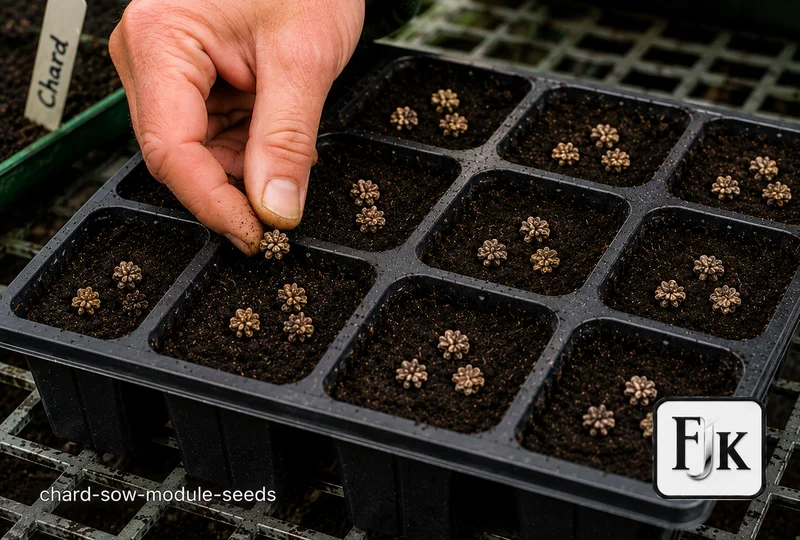
Place one corky seed cluster every 10cm along the drill. Each cluster contains 2–4 seeds and will produce multiple seedlings — this is normal for chard.
Cover and firm
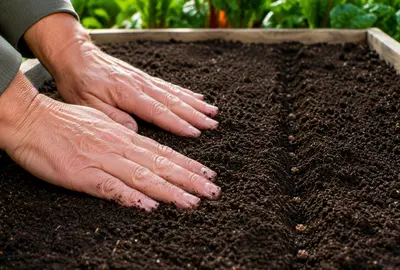
Draw fine soil back over the drill and firm gently. Cover should be just 2cm deep. Water with a fine rose. Keep evenly moist until seedlings emerge in 7–14 days.
Thin the seedlings
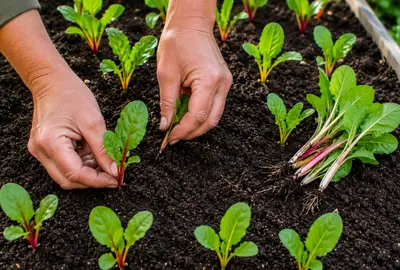
When seedlings are 5–8cm tall, thin to one plant per 10cm initially, then again to 20–30cm for full-sized plants. Removed thinnings are edible. Cut at soil level to avoid disturbing remaining roots.
First harvest
Begin harvesting outer leaves when plants are 20–25cm tall, typically 8–10 weeks from sowing. Always take outer leaves first. Each plant regrows from the centre continuously.
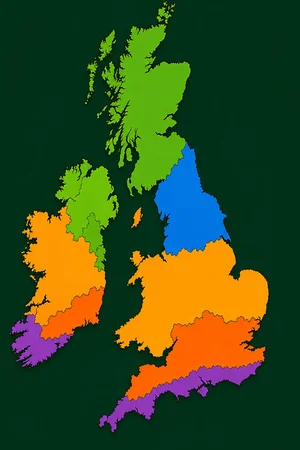
Direct Sowing (Outdoors) — regional timing
Region
Sow / plant
Harvest
Notes
Scotland & Far North
Apr–Jul
Jun–Feb
Apr–Jul
Northern England
Apr–Jul
Jun–Feb
Apr–Jul
Midlands & Wales
Apr–Aug
Jun–Mar
Apr–Aug
Ireland & Isle of Man
Apr–Aug
Jun–Mar
Apr–Aug
South & SE England
Apr–Aug
Jun–Mar
Apr–Aug
South Coast & SW
Mar–Aug
May–Mar
Mar–Aug
🪴 Module Sowing (Indoors)
Fill modules with compost
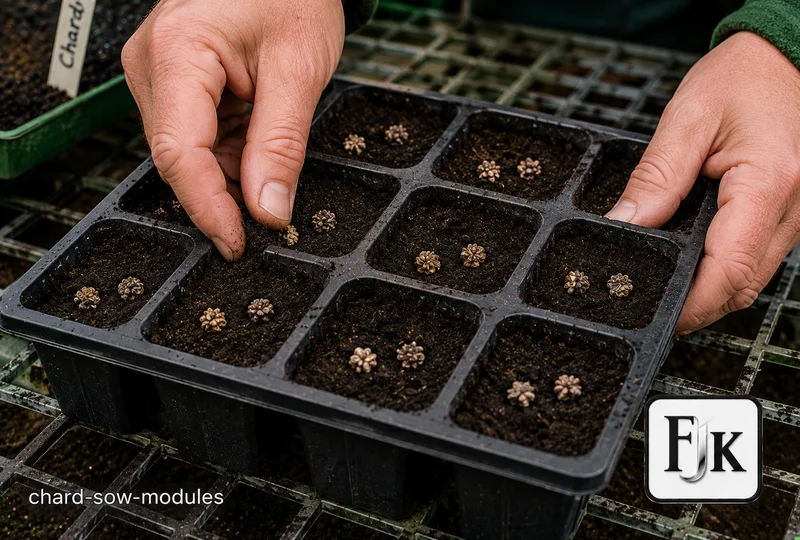
Fill module cells with good multipurpose compost. Sow one seed cluster per module cell. Chard transplants well from modules, which avoids slug damage to seedlings.
Sow and press in
Press one corky chard seed cluster 2cm into the compost in each cell. Cover with compost and firm lightly. Water gently. Place on a cool windowsill or in an unheated greenhouse — no heat required.
Thin to one per cell
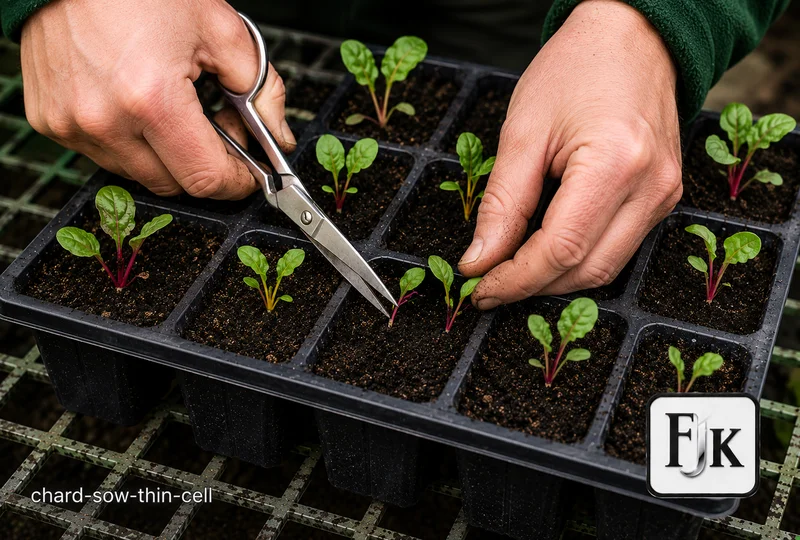
When the cluster of seedlings appears, thin to the strongest one per module by snipping weaker seedlings at compost level with scissors. Pulling disturbs remaining roots.
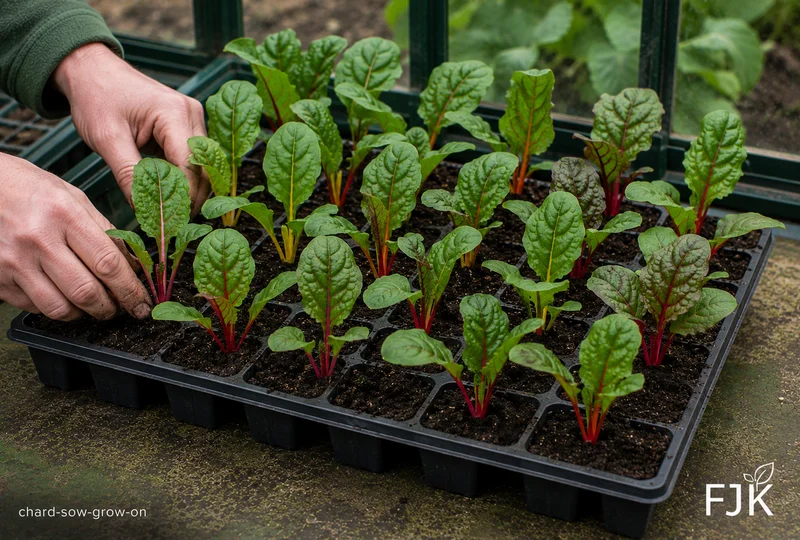
Grow on until roots fill module
Grow on in good light. Chard seedlings are ready to plant out in 4–5 weeks when roots are visible at the base of the module. Do not allow to become pot-bound.
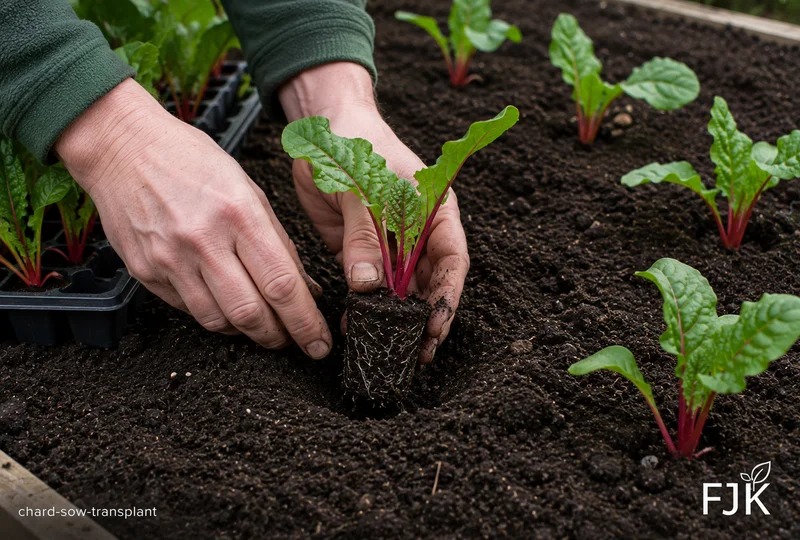
Plant out at final spacing
Plant out 20–30cm apart in well-prepared soil. Firm in well, water thoroughly, and apply a mulch of compost to retain moisture. Lightly harvest within 3–4 weeks of planting out.
Begin harvesting outer leaves
Start harvesting outer leaves as soon as plants are established — typically 3–4 weeks after planting out. Take no more than a third of the leaves at one time.
Module Sowing (Indoors) — regional timing
Region
Sow / plant
Harvest
Notes
Scotland & Far North
May–Jul
Jun–Feb
Mar–Jun
Northern England
May–Jul
Jun–Feb
Mar–Jun
Midlands & Wales
May–Aug
Jun–Mar
Mar–Jul
Ireland & Isle of Man
May–Aug
Jun–Mar
Mar–Jul
South & SE England
May–Aug
Jun–Mar
Mar–Jul
South Coast & SW
Apr–Aug
May–Mar
Feb–Jul
08 Soil Requirements
pH
6.0–7.5
Best
Loam, Clay loam, Sandy loam
Tolerates
Most soils
Avoid
Waterlogged, Very acid
💡 Highly adaptable. Performs well in most soils with adequate moisture.
09 Ongoing Care
💧 Watering
Chard is more drought-tolerant than most leafy crops but consistent moisture is important for quality. In dry spells, water every 5–7 days for established plants. Irregular watering causes bolting in summer — drought is the main cause. Apply a mulch of compost around plants in early summer to retain moisture and suppress weeds through the driest months.
🐌 Slug Control
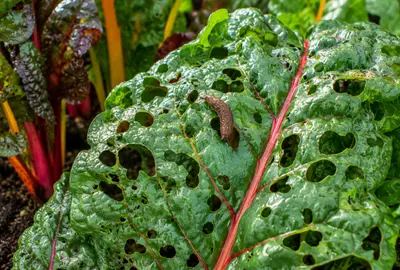
Slugs are the primary pest of chard, particularly in spring and autumn when conditions are cool and damp. Young seedlings and newly planted modules are most vulnerable. Apply nematode drench when soil temperature is above 5°C for organic control. Copper tape around raised bed edges gives useful protection. Once established, chard plants tolerate some slug damage without serious harm.
✂️ Harvesting
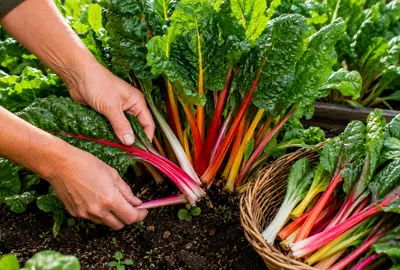
Always take outer leaves first, snapping or cutting the stem cleanly at its base. Take no more than one third of the plant at each harvest. The central crown will continuously produce new inner leaves. A single well-grown plant harvested correctly every 10–14 days will yield leaves from June to March. In late winter, cut the whole plant back to 5cm stumps — this triggers a final vigorous flush of new growth before the plant flowers.
10 Watch Out For
Warning
Slugs are the main problem, particularly for seedlings and young plants — protect with nematodes or copper barriers. Downy mildew can appear in wet, crowded conditions: improve spacing and airflow and remove affected outer leaves promptly. Leaf miners occasionally create pale tunnelling patterns in leaves — remove affected leaves at once. Bolting occurs in drought, very hot conditions, or with very early spring sowings — water consistently and do not sow before April in most UK regions.
🐛 Insects & pests
🐌 Slugs & Snails — Silver slime trails on leaves, soil, and pots — often the first sign before damage is found
🐜 Aphids (Blackfly & Greenfly) — Curled, distorted, or stunted growing tips — aphids inject saliva that causes leaf curl to protect them
🌿 Leaf Miner — Pale, winding tunnels or irregular blotches between leaf surfaces — visible when held up to light
🍄 Diseases to watch
🔵 Downy Mildew — Downy mildew is caused by oomycetes (water moulds) and is completely unrelated to powdery mildew despite the similar name. It thrives in cool, wet, humid conditions and is most damaging in spring and autumn. Each host plant has its own specific downy mildew species. Lettuce downy mildew can destroy an entire bed within days in the right conditions.
🩶 Botrytis (Grey Mould) — Botrytis cinerea (grey mould) is the most ubiquitous fungal pathogen in temperate gardens — present in virtually every garden soil and on plant debris. It becomes a disease only when conditions favour it: cool, humid, poorly ventilated environments with damaged or senescent plant tissue. In a greenhouse in autumn it can destroy an entire tomato or grape crop.
Full identification and treatment advice is in the Pests and Diseases sections.
11 Storage & Preserving
🧊 Refrigerator Storage
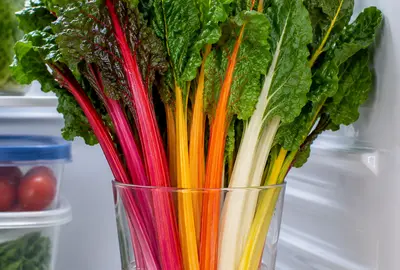
Stand freshly harvested chard stems upright in a glass with 2–3cm of cold water, like cut flowers. Cover the leaves loosely with a plastic bag and refrigerate. Kept this way, chard stays fresh and crisp for 4–5 days. For longer storage, wrap stems in damp paper towel and place in a sealed bag in the salad drawer for up to a week.
❄️ Blanching & Freezing
Chard freezes well but must be blanched first. Separate stems from leaves. Blanch leaves in boiling salted water for 2 minutes; stems for 3 minutes. Plunge into ice water, drain thoroughly, and pat dry before freezing in portions. Frozen chard keeps for up to 12 months and is excellent in soups, stews, pasta fillings, and gratins.
🍳 Cooking Fresh
Chard is at its finest eaten fresh within hours of picking. Chop stems into 2–3cm pieces and cook for 3–4 minutes before adding the torn leaves, which need only 1–2 minutes. Dress simply with olive oil, garlic, lemon juice, and sea salt. Chard pairs superbly with eggs, pasta, ricotta, and lentils. Raw young leaves make an excellent salad green when harvested small.
12 Expert Tips
💡 Two Sowings
Make two sowings of chard for continuous supply: an April sowing for summer and autumn harvests, and a July sowing for fresh plants through winter and the following spring. The July-sown plants produce smaller, more tender young leaves with a milder, more delicate flavour — excellent for salads and quick wilting.
💡 Preserving Rainbow Colour
Rainbow chard loses some of its vivid colour when cooked — the yellows and oranges in particular fade. To preserve the full colour spectrum on the plate, steam rather than boil, and dress with lemon juice immediately before serving. The acid helps fix the red and pink pigments.
💡 Late Winter Cut Back
In late January or February, cut all stems back to a 5cm stump. This hard cut triggers the most vigorous growth of the season as days lengthen and temperatures rise. Without this cut, plants simply run to seed rather than producing a final spring flush.
13 Common Mistakes
⚠ Sowing
Sowing too thickly and not thinning — each seed cluster produces multiple plants; failure to thin creates crowded, drawn stems that bolt early.
Covering seeds too deeply — chard seeds need only 2cm of covering; deeper sowing dramatically reduces germination rates.
⚠ Ongoing Care
Removing the central growing crown — taking leaves from the centre of the plant stops regrowth entirely; always harvest from the outermost leaves inward.
Letting the soil dry out in summer — drought is the primary cause of premature bolting; water consistently through dry spells and apply mulch.
⚠ Harvest & Season Extension
Discarding plants in autumn — chard is perennial in behaviour and most plants will survive UK winters and regrow vigorously in spring for a valuable final harvest.
Harvesting too infrequently — chard that is rarely picked produces large, coarse outer leaves that become tough; regular picking every 10–14 days keeps leaves tender.