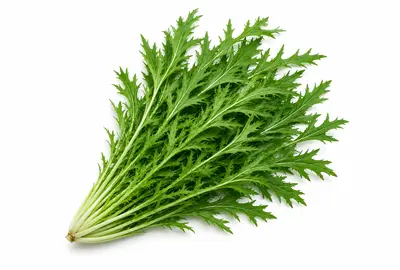
Mizuna Early
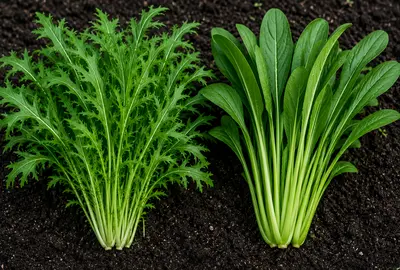
The standard variety. Feathery, deeply cut, bright green leaves. Mild, fresh, slightly peppery flavour. Very fast-growing. The most widely grown and reliable type for all UK conditions.
Brassica rapa (Nipposinica)
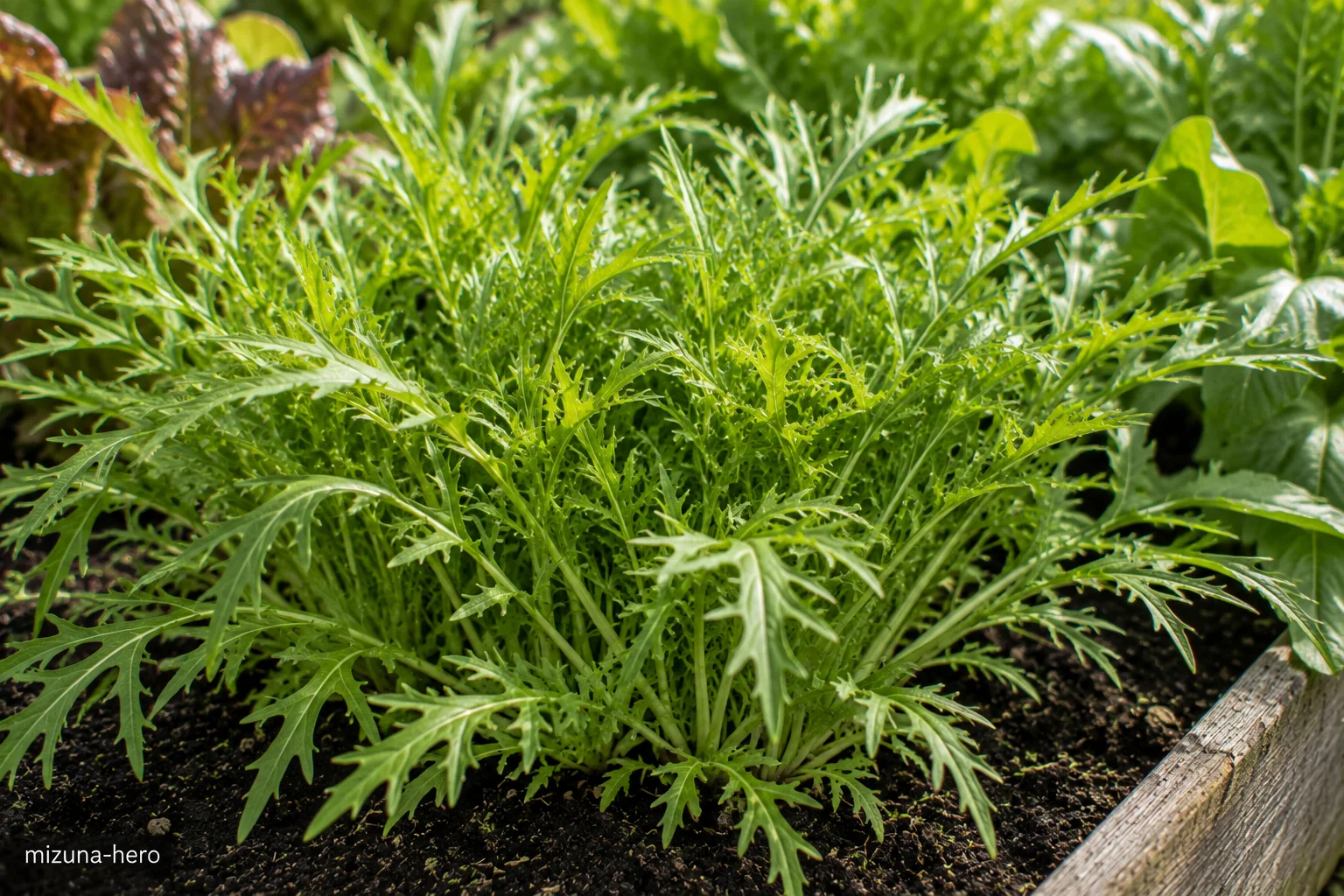
Mizuna is one of the most productive and versatile oriental salad leaves you can grow in the British kitchen garden — fast from seed, hardy through autumn and winter, and delivering a mild, pleasantly peppery flavour over a remarkably long season. Its feathery, deeply cut leaves are beautiful in the garden and in the salad bowl. Mibuna, its close relative, produces smooth, strap-shaped leaves with a stronger, more distinctly mustard-like flavour that is outstanding cooked as well as raw. Both regrow prolifically after cutting and will produce leaf from spring right through to the first hard frosts of winter.
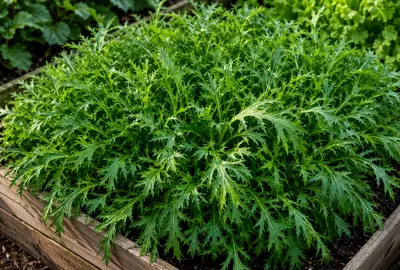
Mizuna (Brassica rapa var. nipposinica) and Mibuna (Brassica rapa var. nipposinica) are Japanese brassica leaf crops that have become indispensable in UK kitchen gardens. Mizuna is the more widely grown: its deeply pinnate, feathery leaves with rounded lobes have a refreshing, mild peppery flavour that works equally well in salads and stir-fries. Mibuna produces smooth, undivided, strap-shaped leaves with a more assertive, mustard-influenced flavour. Red and purple-leaved varieties of mizuna add striking colour to both the garden and the plate. All types are fast, productive, and far more tolerant of autumn cold than most salad crops — autumn sowings from August to September produce some of the finest salad leaf of the entire year.
The number of varieties shown for each crop is based on UK consumption data (2025/26) — the more popular the crop, the more variety choices we include.
Brassica rapa var. nipposinica. Feathery, deeply pinnate leaves. Mild, fresh, slightly peppery flavour. Cut-and-come-again.
The standard variety. Feathery, deeply cut, bright green leaves. Mild, fresh, slightly peppery flavour. Very fast-growing. The most widely grown and reliable type for all UK conditions.
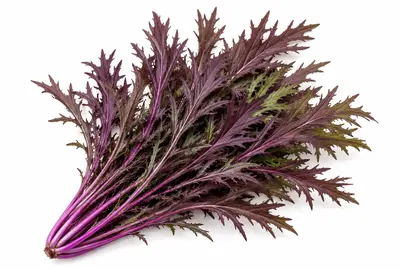
Deeply pinnate leaves with vivid red-purple stems and leaf edges. Striking colour in the salad bowl. Slightly stronger flavour than green mizuna. Same vigour and productivity.
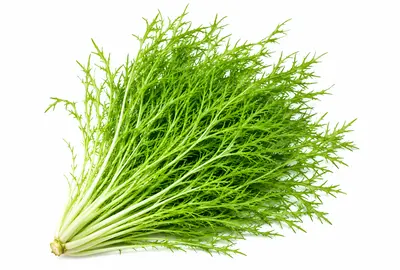
Traditional Japanese variety with broad-cut, dark green narrow leaves and white midribs. Very vigorous. Milder flavour than standard mizuna. Excellent for baby leaf and larger plant production.
Smooth, strap-shaped leaves with a stronger, more assertive mustard flavour. Outstanding cooked as well as raw.
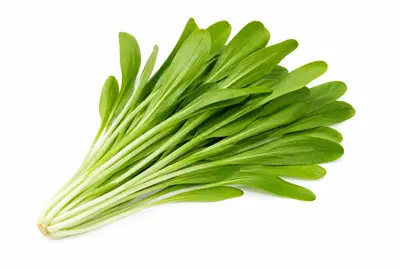
Smooth, undivided, strap-like dark green leaves. Stronger, more mustardy flavour than mizuna. Outstanding briefly wilted or stir-fried. Very productive and hardy. Regrows reliably after cutting.
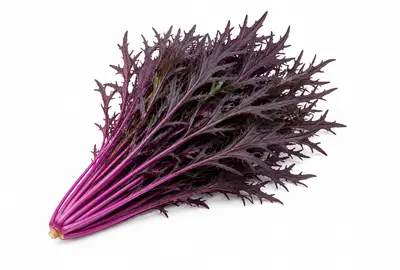
Deeply cut leaves with dramatic red-purple colouring on both the leaf surface and stems. Visually stunning in mixed salad beds. Slightly stronger peppery flavour than green mizuna. Very ornamental.
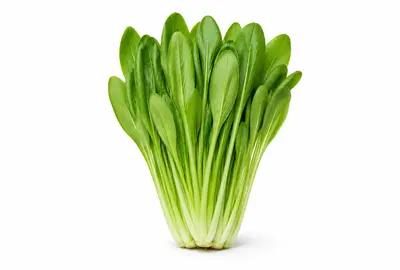
Compact, upright habit with deep green, deeply pinnate leaves and particularly mild flavour. Bred for uniform appearance and consistent production. Good bolt resistance. Ideal for successional baby leaf production.
Mizuna seed is now widely available from most UK seed companies and garden centres. The standard green mizuna is widely stocked. Named varieties including Red Frills, Kyona, and Red Knight are best found through specialist online seed companies. Mibuna is less commonly stocked but is available from oriental vegetable specialists and several general seed companies. Mixed oriental salad leaf packets often include both mizuna and mibuna as components — a useful way to try several types at once.
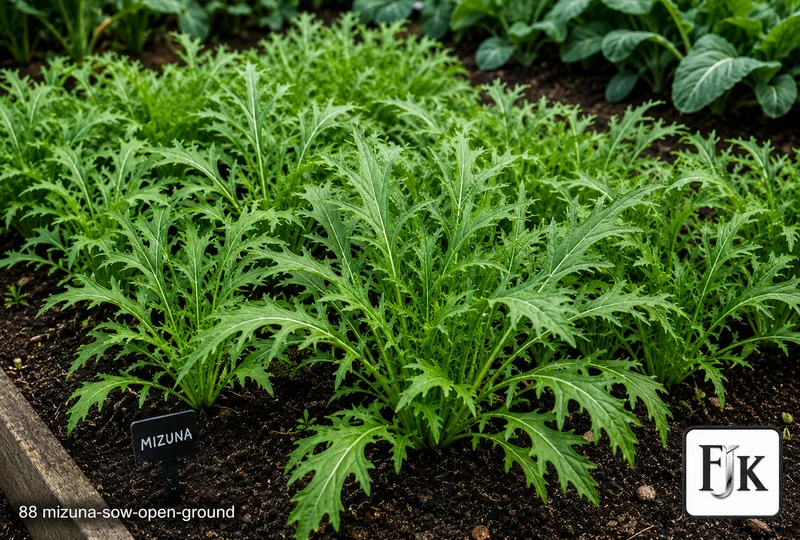
The standard method. Rake the soil lightly and draw a 1cm-deep drill. Scatter seeds thinly and cover with fine soil. Mizuna germinates in 5–7 days in warm conditions and 7–14 days in cooler autumn temperatures. Apply fine insect mesh immediately after sowing. For baby leaf production, broadcast-sow densely across a band and harvest at 8–10cm. For full rosette plants, sow in rows and thin to 25–30cm.
Suitable varieties: All varieties. Particularly effective for main-season and autumn crops.
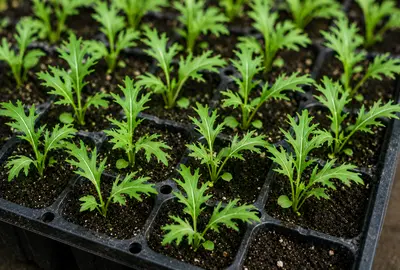
Module sowing is particularly effective for mizuna because it avoids the most vulnerable flea beetle window. Seedlings that are already 5–7cm tall when transplanted outdoors suffer far less damage than directly sown seedlings. Sow 2–3 seeds per module cell in multipurpose compost; thin to one. Plant out when roots fill the module at 3–4 weeks. This method is especially useful for early spring and midsummer sowings when flea beetle pressure is at its peak.
Suitable varieties: All varieties. Particularly useful for spring and summer sowings.
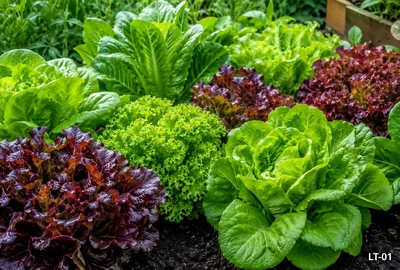
Mild-flavoured lettuce balances mizuna in a mixed salad bed and the two crops can be interplanted to make the most of available space.
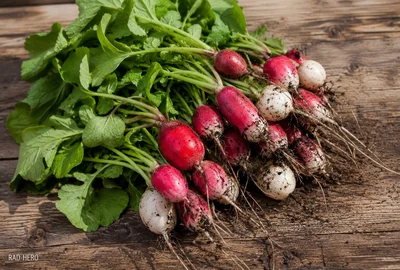
Radishes mature quickly and can be harvested from between mizuna rows before the mizuna plants need the full space. Both are cool-season crops with complementary timing.
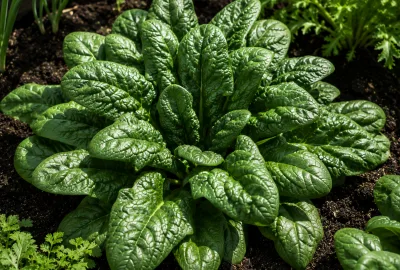
Spinach and mizuna share similar conditions and harvest windows. They work well in mixed beds and produce complementary flavours in the salad bowl.
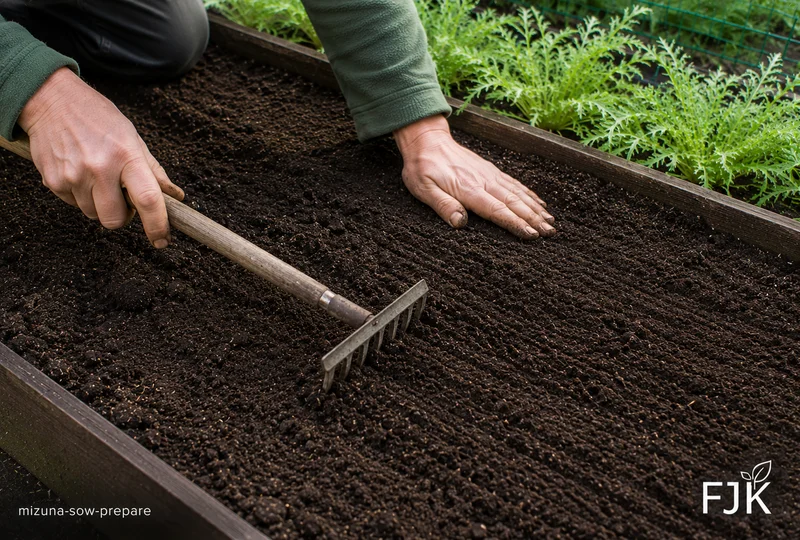
Rake the soil to a fine, crumbly tilth. Mizuna is not fussy about soil quality but a weed-free surface makes sowing and thinning much easier. No deep digging is needed — a light surface rake is sufficient for this fast, shallow-rooted crop.
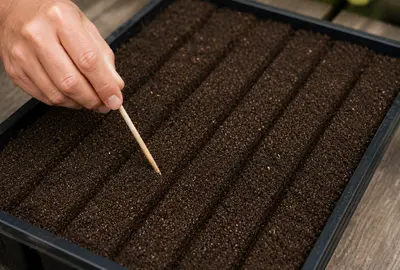
Use a cane or finger to mark a very shallow drill, 1cm deep. For baby leaf production, broadcast-sow across a 10–15cm wide band instead of a drill. Space drills 25–30cm apart for full plants. Water the drill before sowing if the soil is dry.
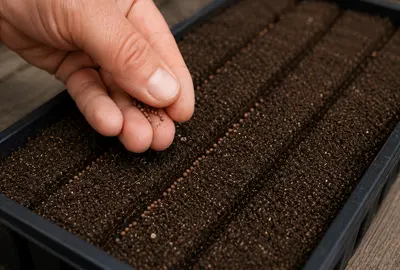
Scatter seeds thinly along the drill — aim for one seed every 2cm. Cover lightly with fine soil and firm gently. Water with a fine rose. Apply insect mesh immediately. Germination takes 5–7 days in warm conditions, longer in cool autumn soil.
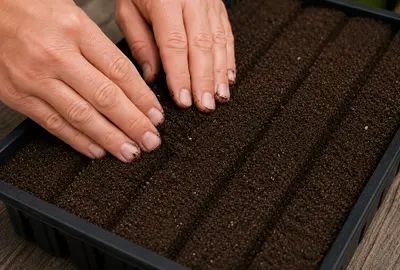
Thin first to 10cm for cut-and-come-again plants. For full rosette plants that will be harvested whole, thin progressively to 25–30cm over two thinning sessions. All thinnings are edible and excellent in salads. Cut at soil level rather than pulling.
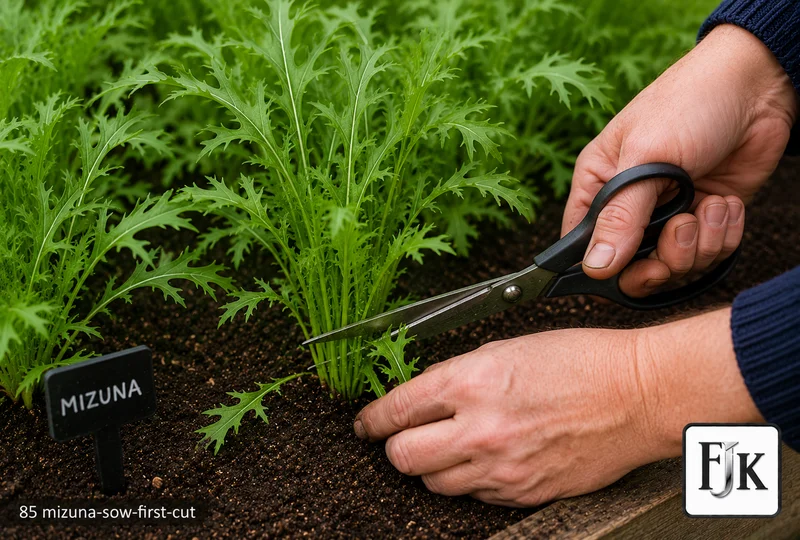
For baby leaves, harvest at 8–10cm tall — typically 3–4 weeks from sowing. For larger leaves, wait until 12–15cm. Cut with scissors 3–5cm above soil level. The stumps regrow vigorously — expect 3–5 further harvests from each sowing before quality declines.

| Region | Sow / plant | Harvest | Notes |
|---|---|---|---|
| Scotland & Far North | Mar–Aug | May–Oct | Mar–Aug direct · Plant: N/A · Harvest: May–Oct |
| Northern England | Mar–Aug | May–Oct | Mar–Aug direct · Plant: N/A · Harvest: May–Oct |
| Midlands & Wales | Mar–Sep | May–Nov | Mar–Sep direct · Plant: N/A · Harvest: May–Nov |
| Ireland & Isle of Man | Mar–Sep | May–Nov | Mar–Sep direct · Plant: N/A · Harvest: May–Nov |
| South & SE England | Mar–Sep | May–Nov | Mar–Sep direct · Plant: N/A · Harvest: May–Nov |
| South Coast & SW | Feb–Sep | Apr–Nov | Feb–Sep direct · Plant: N/A · Harvest: Apr–Nov |
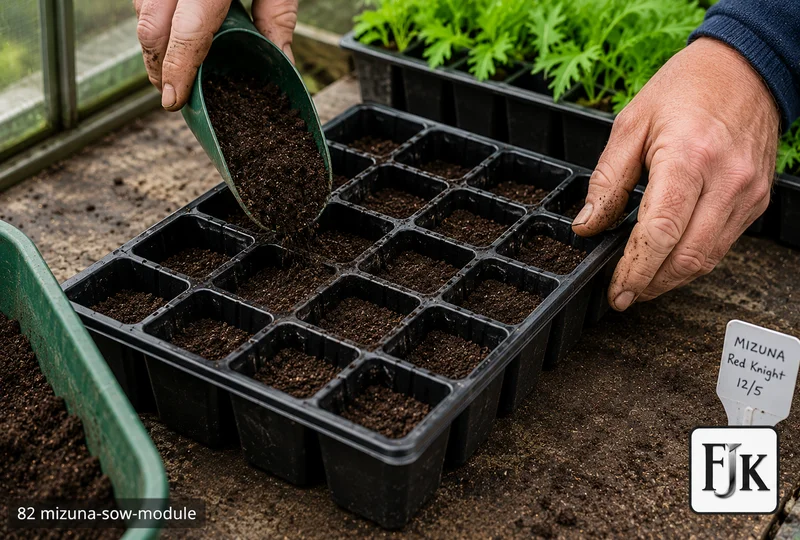
Fill module cells with multipurpose compost. Sow 2–3 mizuna seeds per cell at 1cm depth. Water gently and place in a cool, bright position — a windowsill or unheated greenhouse. No bottom heat is needed; mizuna germinates readily at room temperature.
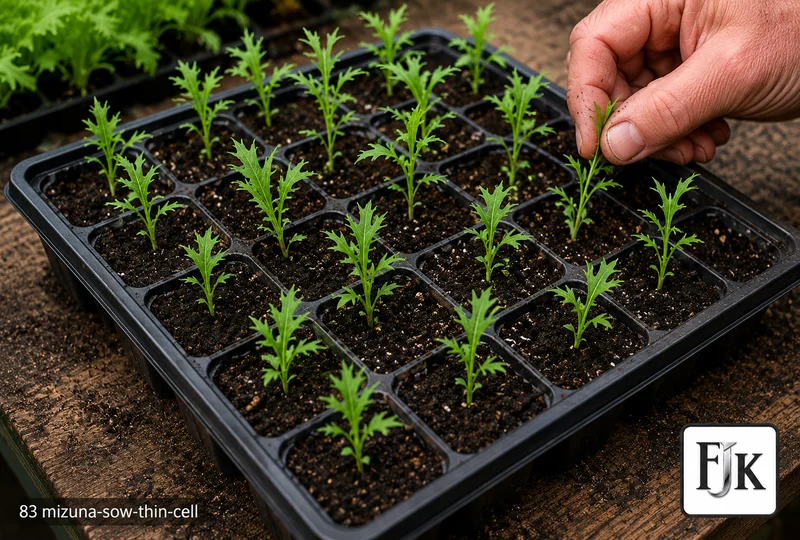
When seedlings are 2–3cm tall, thin to the strongest one per cell by snipping at compost level with scissors. Do not pull — this disturbs the remaining roots. The retained seedling will grow quickly and be ready to plant out in 3–4 weeks.
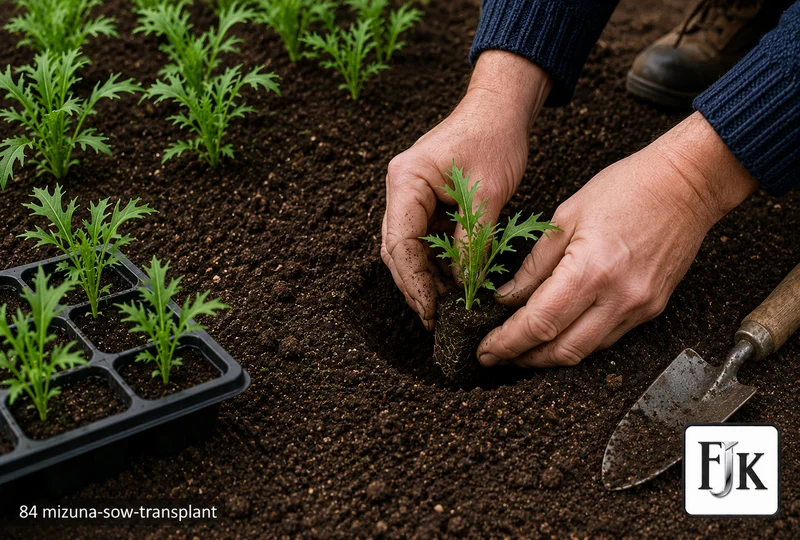
Plant out when seedlings are 5–7cm tall and roots are beginning to fill the module. Space at 25–30cm for full plants. Water in well. Module-raised plants are tougher than direct-sown seedlings and suffer significantly less flea beetle damage at transplanting stage.
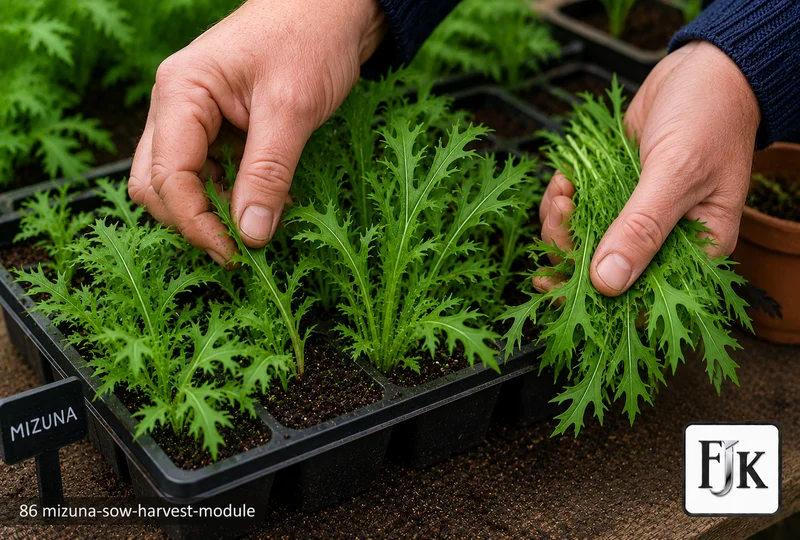
Module-raised plants establish quickly and can be lightly harvested 3–4 weeks after planting out. Take outer leaves initially, building up to full cut-and-come-again cutting as the plant establishes. Plants reach full productivity within 5–6 weeks of transplanting.
| Region | Sow / plant | Harvest | Notes |
|---|---|---|---|
| Scotland & Far North | Apr–Aug | May–Oct | Feb–Jul indoors · Plant: Apr–Aug · Harvest: May–Oct |
| Northern England | Apr–Aug | May–Oct | Feb–Jul indoors · Plant: Apr–Aug · Harvest: May–Oct |
| Midlands & Wales | Apr–Sep | May–Nov | Feb–Aug indoors · Plant: Apr–Sep · Harvest: May–Nov |
| Ireland & Isle of Man | Apr–Sep | May–Nov | Feb–Aug indoors · Plant: Apr–Sep · Harvest: May–Nov |
| South & SE England | Mar–Sep | Apr–Nov | Feb–Aug indoors · Plant: Mar–Sep · Harvest: Apr–Nov |
| South Coast & SW | Mar–Sep | Apr–Nov | Feb–Aug indoors · Plant: Mar–Sep · Harvest: Apr–Nov |
Mizuna and mibuna do not require a propagator — both germinate readily at room temperature without bottom heat. A cool, bright windowsill or unheated greenhouse is entirely sufficient. Mizuna actually prefers cooler germination temperatures of 10–18°C; high propagator temperatures above 22°C can reduce germination rates. The only time gentle warmth is useful is for very early February sowings in cold regions.
Not recommended — mizuna prefers cool germination at 10–18°C. If using a heated propagator, set to the lowest setting (around 10–12°C). Temperatures above 22°C reduce germination rates significantly. Remove lid immediately on germination.
Temperature: 10–18°C (cool conditions preferred)
An unheated propagator lid can help retain moisture for early February sowings in cold regions. Remove as soon as seedlings emerge. From March onwards there is no benefit to using any cover for mizuna or mibuna.
Sow in module cells at 1cm depth in multipurpose compost. Place on a bright windowsill or in a cool greenhouse at room temperature. Mizuna germinates in 5–7 days at 15–18°C. A propagator lid can retain moisture until germination but is not necessary and should be removed as soon as seedlings emerge.
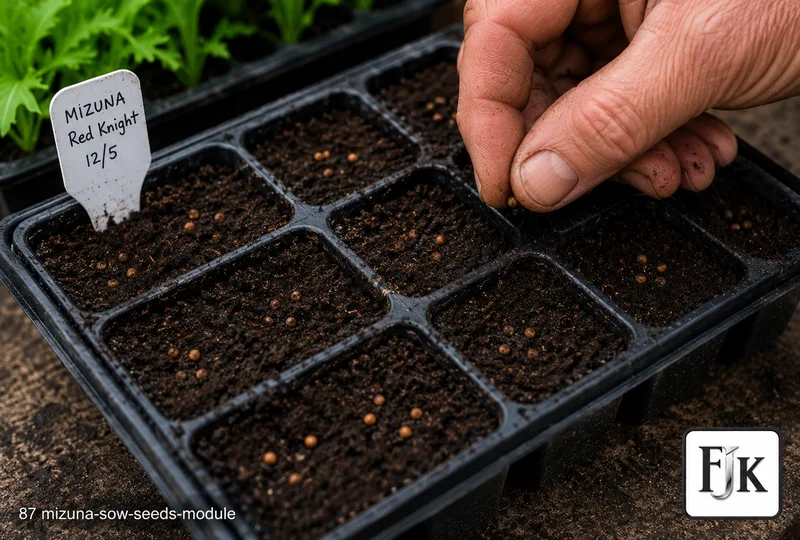
Mizuna is a cool-season crop that germinates best at 10–18°C. Avoid sowing on a warm propagator mat in summer — the seeds germinate better in ambient cool temperatures. For autumn sowings, bring module trays indoors to a cool room or unheated greenhouse to germinate, then move outdoors once established.
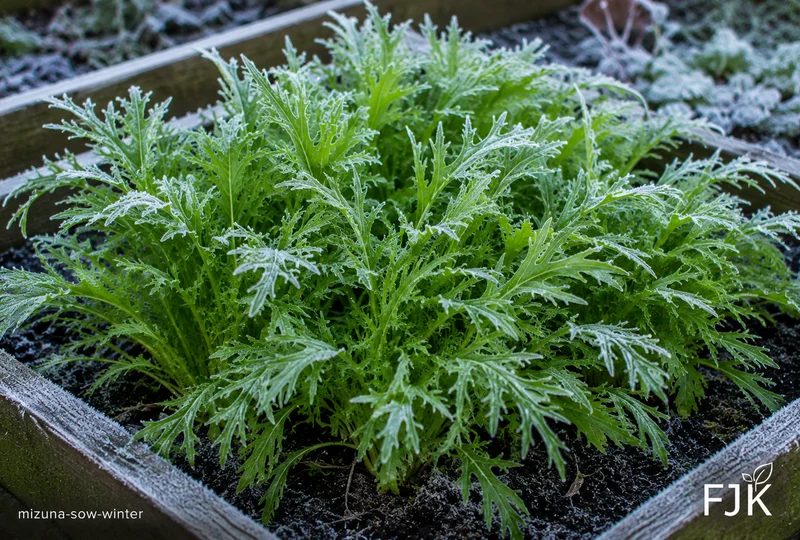
Transplant when seedlings are 5–7cm tall and roots fill the module — typically 3–4 weeks after sowing. Transplanting when slightly larger reduces flea beetle vulnerability at the critical establishment stage. Water in well after planting and keep moist for the first week.
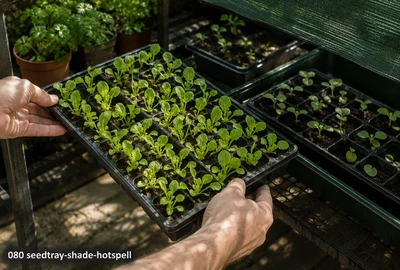
Young seedling trays are far more vulnerable to heat stress than established plants — direct sun on a hot day can scorch or bolt seedlings within hours. Move trays to a shaded spot during the hottest part of the day until they're established enough to go out, especially for sowings made in high summer.
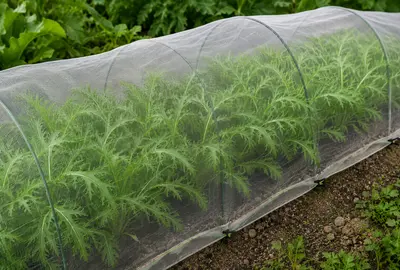
Flea beetle (Phyllotreta species) is the primary pest of mizuna, mibuna, and all oriental brassica crops. The tiny metallic black beetles create characteristic round shothole damage in leaves — seedlings can be badly damaged within 48 hours of emergence in hot, dry weather. Fine insect-proof mesh (0.8mm aperture or finer) applied immediately at sowing is the most effective and reliable control. Remove for harvesting and replace promptly. Flea beetle is worst in spring and early summer; autumn sowings from August suffer far less damage as beetle populations decline. Module-raised transplants at 5–7cm tall are more resilient than direct-sown seedlings.
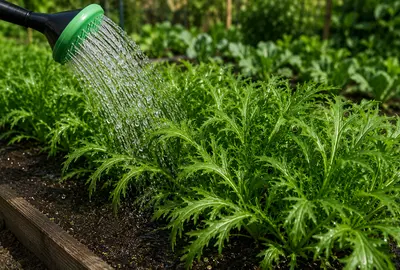
Consistent moisture is important for preventing premature bolting and maintaining the quality of mizuna's delicate leaves. Water every 5–7 days for established plants in dry weather — more frequently for young seedlings and container-grown plants. Drought stress in midsummer causes rapid bolting and produces tough, more bitter leaves. A mulch of garden compost around established plants significantly reduces watering frequency. Container-grown mizuna needs daily watering in warm weather as containers dry out rapidly in summer heat.
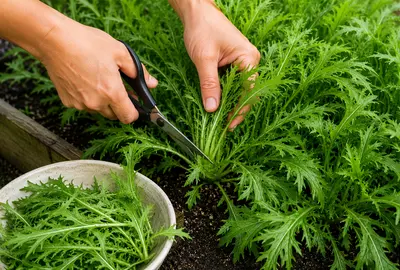
Mizuna is one of the most productive cut-and-come-again crops in the kitchen garden — each plant typically regrows 3–5 times after cutting before quality declines. Cut with scissors 3–5cm above the soil surface, never pulling plants up. The stumps regrow from the base within 10–14 days. For the best leaf quality, harvest before plants exceed 15–20cm — older, larger leaves become more pungent and slightly tough. Pick regularly even if you cannot use all the harvest — frequent cutting stimulates regrowth and prevents bolting. A bowl of mixed mizuna and mibuna leaves harvested in the morning is at peak flavour.
Flea beetle is the primary pest — fine insect mesh applied at sowing is the only fully reliable protection. Bolting in midsummer heat is inevitable without succession sowing; make short rows every 3–4 weeks and switch to autumn sowings for the finest crop. Clubroot can affect mizuna as a brassica family member — rotate crops and do not grow in soil where brassicas have grown in the previous 2 years. Downy mildew can appear in crowded, poorly ventilated conditions: improve spacing and remove affected leaves promptly.
Full identification and treatment advice is in the Pests and Diseases sections.
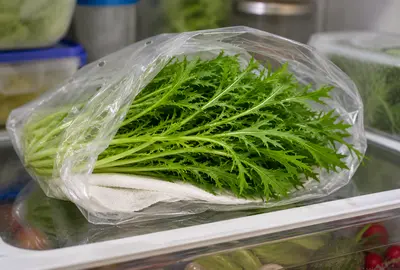
Store mizuna and mibuna leaves dry and unwashed in a breathable bag or loosely closed container in the salad drawer. Do not wash before refrigerating — moisture dramatically shortens leaf life. Fresh-picked mizuna keeps for 3–4 days refrigerated. To revive slightly wilted leaves, submerge briefly in cold water for 5 minutes, shake dry, and use immediately. Store mibuna separately from mizuna if possible — its stronger flavour can transfer to the milder mizuna leaves over time.
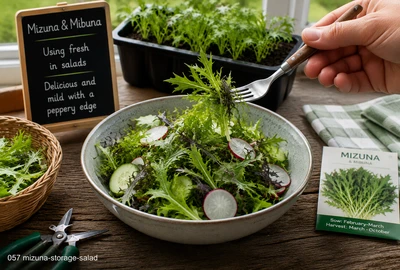
Mizuna is most often eaten raw in mixed salad leaves where its mild, refreshing peppery flavour lifts the whole bowl without dominating. Baby leaves are finest raw. Young mizuna needs only a simple dressing of good olive oil, lemon juice, and sea salt. A classic Japanese sesame dressing — toasted sesame oil, rice vinegar, soy sauce, and a little sugar — is outstanding with mizuna. Mix with rocket for a more complex peppery flavour, or with mild lettuce to balance mizuna's bite. Mibuna is stronger and best used sparingly raw; it is better suited to cooking.

Mibuna in particular is outstanding cooked: wilted briefly in a hot wok with garlic, sesame oil, and soy sauce for 60–90 seconds, it makes a superb side dish to grilled fish, chicken, or tofu. Older, larger leaves of both crops are better cooked than eaten raw. Add both to soups in the final minute of cooking. They work well in egg fried rice, noodle dishes, and as a filling for dumplings. Cooking greatly reduces the pungency, producing a mild, slightly sweet green vegetable. Do not overcook — both crops wilt to nothing in seconds.
The August sowing is the most valuable of the year for mizuna. Sown in mid-August and grown under fine mesh, it produces outstanding harvests of tender, mild, perfectly flavoured leaves from October through to December in most UK regions. The cool autumn temperatures slow growth, concentrate flavour, and eliminate bolting risk entirely. An August-sown mizuna bed is one of the most reliable sources of fresh salad leaf in the autumn kitchen garden.
For continuous mizuna production with minimum effort, try the broadcast method in a deep container or raised bed: scatter seeds densely across the surface, rake in lightly, and water. Harvest the whole bed at 10cm with scissors, 3cm above soil level. The bed regrows within 10–14 days for a second cut. Three or four containers at staggered sowing dates give a near-continuous supply of baby leaves throughout the season with minimal labour.
Mibuna is one of the most underused British kitchen garden crops and deserves wider cultivation. Its strong, distinctly mustardy flavour makes it a powerful culinary ingredient in small quantities — just a few leaves stirred through a stir-fry or added to miso soup transforms the dish. Grow a small row alongside the milder mizuna and use them in combination: the mizuna provides volume, the mibuna provides punch.