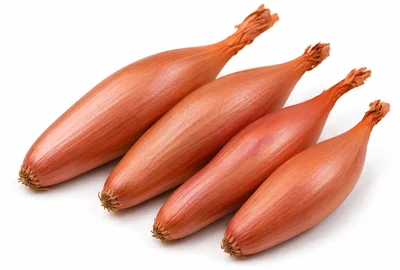
Golden Gourmet
Round golden · Sets
A dependable golden shallot with good flavour and useful storage quality. One of the most reliable UK varieties from sets.
- Beginners
- Stores well
Allium cepa (Aggregatum)
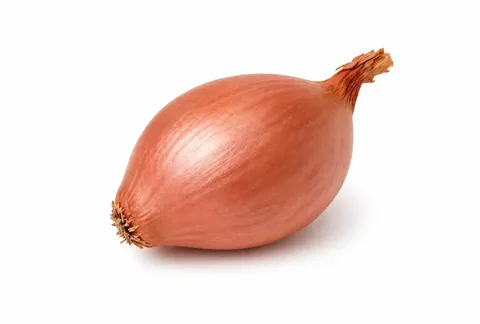
Shallots have a sweeter, more complex flavour than onions — the chef's allium of choice. Grown from sets just like onions, each set multiplies into a cluster of 8–12 new bulbs through the season.
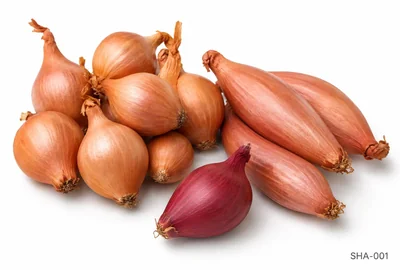
Shallots are usually grown from sets, which are reliable, quick and well suited to UK kitchen gardens. Choose round golden types for dependable storage, red types for colour and flavour, and longer banana shallots for slicing and cooking. A small mix of varieties gives a longer harvest window and better choice in the kitchen. Avoid soft or sprouting sets before planting.
The number of varieties shown for each crop is based on UK consumption data (2025/26) — the more popular the crop, the more variety choices we include.
Round golden types for dependable storage and general kitchen use. The most widely grown group in UK gardens.
A dependable golden shallot with good flavour and useful storage quality. One of the most reliable UK varieties from sets.
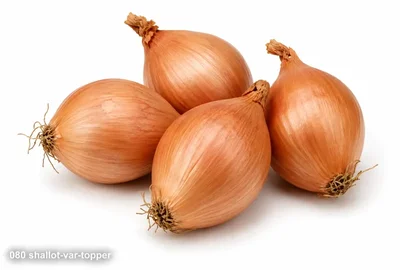
A productive round shallot suited to UK outdoor growing and general kitchen use. Good yields and reliable keeper.
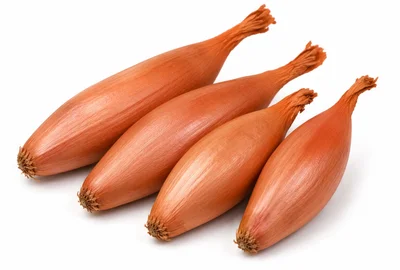
A neat shallot with a stronger flavour and good all-round garden performance. Popular for its compact size and storage.
Red and pink-skinned varieties with richer colour and a mild, sweet flavour. Good for fresh use and pickling.
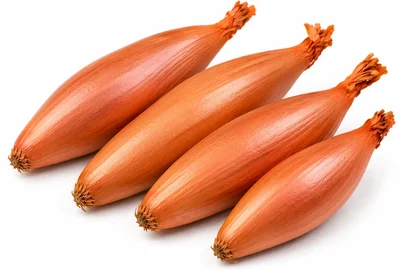
A red-skinned shallot with attractive colour and a rich savoury flavour. Very popular for fresh eating and cooking.
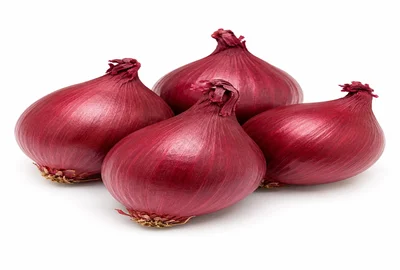
A popular red shallot producing good clusters of rounded bulbs. Mild, sweet flavour and striking colour.
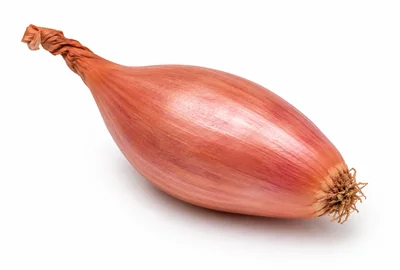
A French-style shallot with elongated bulbs and excellent kitchen quality. Aromatic with good slicing shape.
Elongated banana-type shallots valued for easy preparation and fine flavour. The chef's favourite.
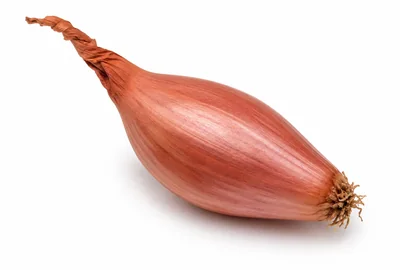
A classic long shallot with coppery skin, fine flavour and good slicing shape. A kitchen garden staple.
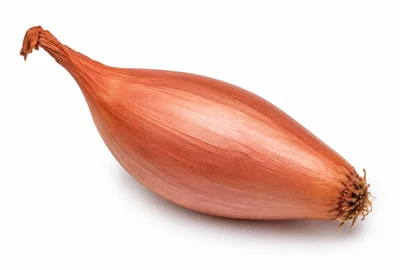
A long, easy-to-prepare shallot valued for cooking and slicing. Dependable and widely available as sets.
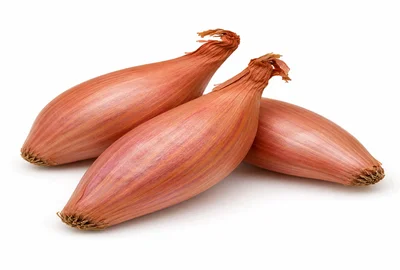
An elongated shallot with attractive bulbs, often grown from seed. Excellent flavour for fresh use and sauces.
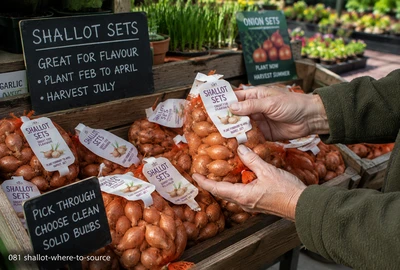
Buy firm shallot sets in late winter or early spring, either by post or from local garden retailers. Choose clean, healthy sets with no mould, soft patches or damage.

Postal ordering gives a wide choice of shallot sets before the main planting season. Order early so sets arrive firm and ready for planting.
Local garden centres usually stock shallot sets from late winter. Pick through packs carefully and choose clean, solid bulbs.
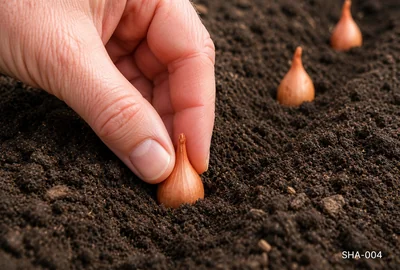
Push each set into fertile, sunny, free-draining soil with the tip just showing above the surface. Keep the bed weed-free while clusters form.
Suitable varieties: Best for larger crops and long-term storage shallots.
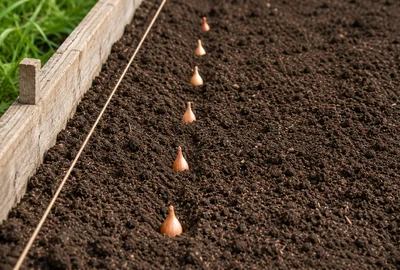
Raised beds warm and drain earlier than open soil, making them very useful for shallots. They also make spacing, weeding and harvesting easier.
Suitable varieties: Best for heavy soils, smaller gardens and neat kitchen garden layouts.

Shallots and carrots make excellent companions — shallot scent deters carrot fly while carrot scent may deter onion fly. A classic interplanting combination for mutual pest protection.
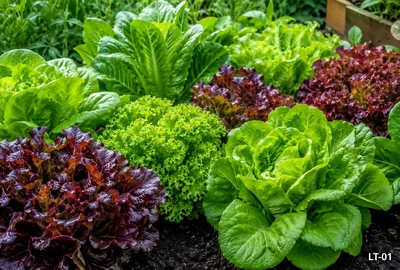
Lettuce can be grown between shallot rows as a catch crop, making use of the space during the long shallot growing season. Both prefer similar cool, moist conditions.
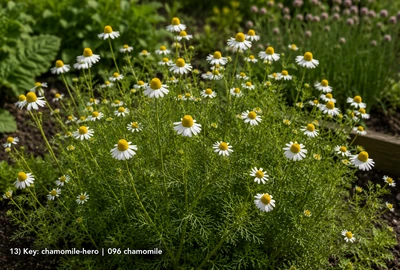
Chamomile grown near shallots is said to improve their growth and flavour. Its aromatic compounds may also help deter some common allium pests.
Shallots are normally planted as sets rather than raised in a propagator. Plant them outdoors once the soil is workable, with only the tips showing above the surface.
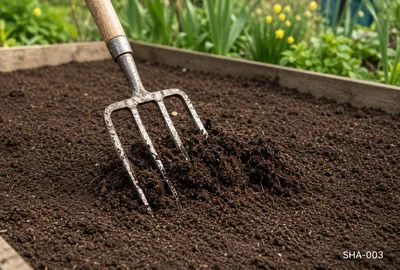
Choose a sunny, open position and work the soil to a fine, crumbly texture. Remove weeds and avoid freshly manured ground.
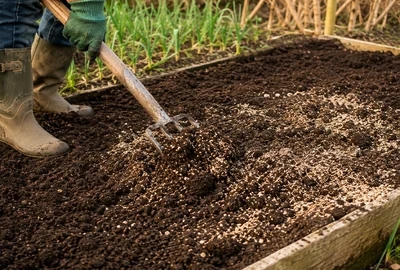
Add garden compost if needed, but keep the soil free-draining. Shallots dislike sitting in cold, wet soil.
Push each set gently into the soil with the pointed tip upwards. Leave the tip just visible above the surface.
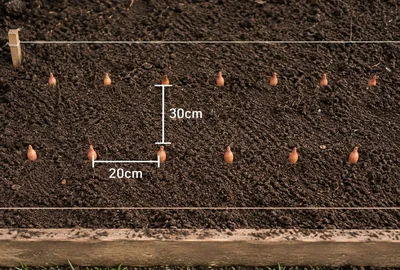
Allow enough room for each set to split into a cluster. Keep rows open so weeding is easy.
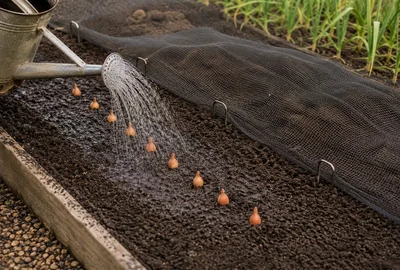
Water after planting if the soil is dry. Use netting if birds pull the sets from the ground.
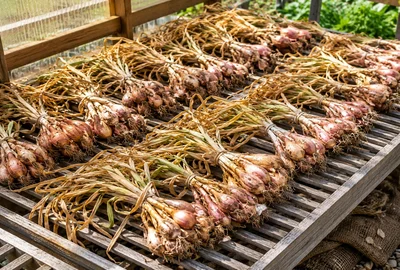
Lift clusters when the leaves yellow and bend over. Dry them well before storage.

| Region | Sow / plant | Harvest | Notes |
|---|---|---|---|
| Scotland & Far North | Mar–Apr | Jul–Aug | Wait until soil is workable and not waterlogged · Mar–Apr (sets) |
| Northern England | Feb–Apr | Jul–Aug | Plant later on cold or heavy soils · Feb–Apr (sets) |
| Midlands & Wales | Feb–Mar | Jul–Aug | Good drainage is more important than early planting · Feb–Mar (sets) |
| Ireland & Isle of Man | Feb–Apr | Jul–Aug | Avoid very wet soil and exposed sites · Feb–Apr (sets) |
| South & SE England | Jan–Mar | Jul–Aug | Early planting is possible where soil drains well · Jan–Mar (sets) |
| South Coast & SW | Jan–Mar | Jul–Aug | Mild areas can plant early, but avoid saturated ground · Jan–Mar (sets) |
Shallots are planted as sets, not raised in a heated propagator. They are best started directly in the soil once outdoor conditions are suitable.
A heated propagator is not needed for shallot sets and can encourage weak, unsuitable growth.
An unheated propagator is also unnecessary. Store sets somewhere cool, dry and frost-free until planting time.
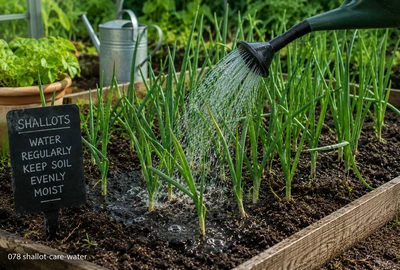
Water in dry spells during the growing season, but reduce watering once bulbs begin to swell in early summer. Excess moisture promotes soft bulbs that store poorly. Stop watering completely when foliage begins to yellow and flop. Good drainage matters more than regular watering for shallots.
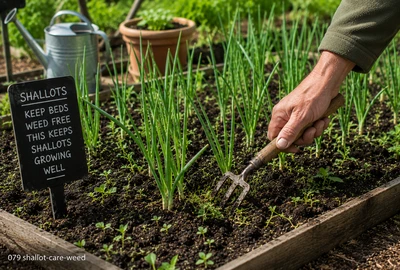
Keep the bed weed-free throughout the growing season — shallots are poor competitors. Hoe carefully between rows without disturbing the shallow roots. Hand weed close to the developing clumps. Weed competition significantly reduces both yield and bulb size.
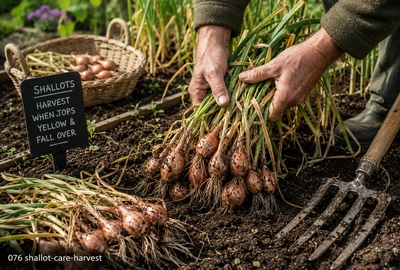
Harvest when the foliage turns yellow and flops — typically July. Lift the whole clump with a fork on a dry day. Separate the individual bulbs and lay on a dry surface or greenhouse staging to ripen. Leave for 3–4 weeks until the outer skins are dry and papery before storing.
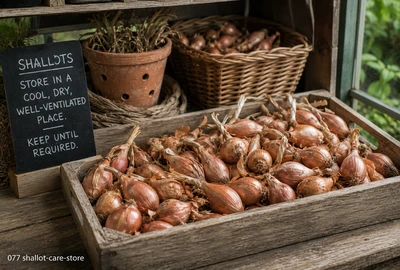
Store shallots in nets or rope them into bunches in a cool, dry, well-ventilated frost-free place. Well-dried shallots will keep until the following spring. Select the best-formed, firmest bulbs for replanting as sets the following year.
Like onions, shallots are vulnerable to white rot. Maintain strict crop rotation and never replant in infected soil.
Full identification and treatment advice is in the Pests and Diseases sections.
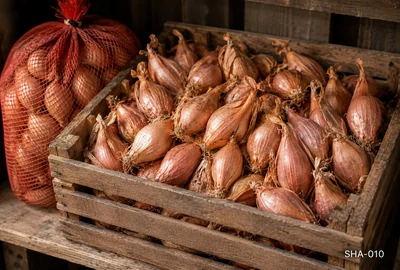
Store fully dried shallots in trays, nets or shallow boxes in a cool, dry, airy place. Check regularly and remove any that soften.
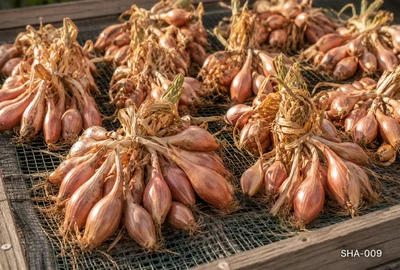
After lifting, dry shallots in the sun if weather allows, or under cover with good airflow. Do not store them until the skins are papery.
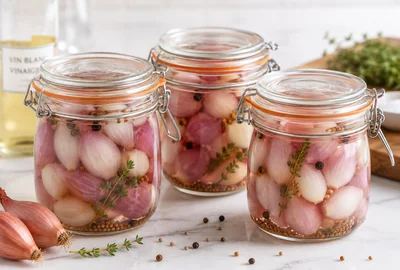
Small firm shallots are excellent for pickling. Use sound bulbs and prepare them soon after curing for best texture.
Do not bury shallot sets deeply. Plant them with the tip just showing so they root well without rotting — a buried tip is one of the most common causes of poor establishment.
On heavy UK soils, wait for a dry spell or use a raised bed rather than planting into cold, wet ground. Cold wet soil rots sets before they can establish.
Keep shallots weed-free because their shallow roots do not compete well with fast-growing weeds. A short neglected period in May can reduce yields significantly.
Stop watering as bulbs mature and foliage begins to yellow. Continuing to water at this stage delays skin curing and reduces storage life considerably.