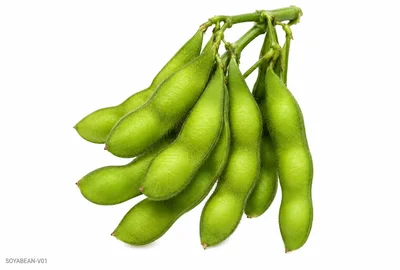
Envy
Edamame · Early Maturing
The most reliable UK edamame variety. Early maturing, productive, and with excellent flavour. Bred specifically for short-season climates.
- Best for UK
- Edamame
- Early
Glycine max
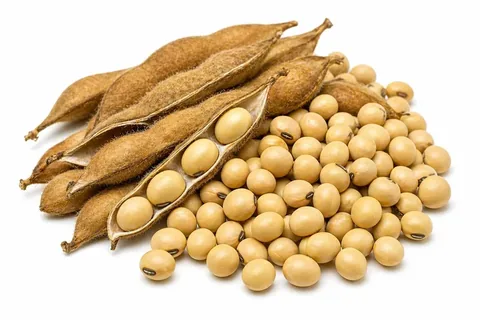
Soya beans (edamame when harvested green) are one of the most nutritious crops you can grow. These compact, bushy plants bear clusters of fuzzy pods packed with protein-rich beans. Harvest them plump and bright green for edamame — steam in the pod for a flavour entirely unlike anything from a shop — or leave them to dry for a remarkable, home-grown protein store.
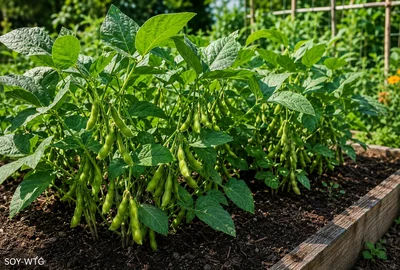
Soya beans fall into two main harvest types: edamame (picked green) and dry beans (left to mature fully). For UK growing, choose early-maturing varieties bred for cool climates — most standard varieties from Japan or the US need more heat than a British summer reliably provides. Varieties like Envy and Ustie are proven for outdoor UK growing; a polytunnel or south-facing wall significantly extends the reliable options.
The number of varieties shown for each crop is based on UK consumption data (2025/26) — the more popular the crop, the more variety choices we include.
All three varieties are bred or selected for UK short-season growing. Harvest green as edamame or leave to dry. Choose based on season length and whether you have any protected growing space.
The most reliable UK edamame variety. Early maturing, productive, and with excellent flavour. Bred specifically for short-season climates.
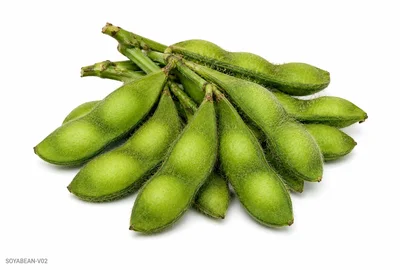
Developed for UK conditions with a short growing season. Good disease resistance and consistent yields even in cooler summers.
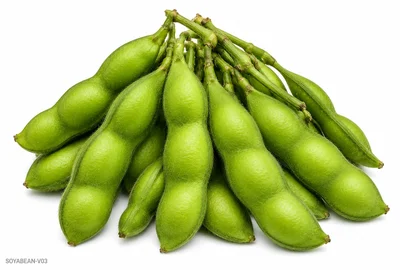
Good all-round edamame type. Bushy habit, heavy crop of plump pods. Performs well outdoors in a sheltered position.
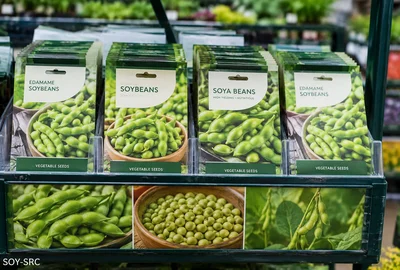
Soya bean seeds are available from specialist online seed companies — garden centres rarely stock them. UK-adapted varieties such as Envy and Ustie are best sourced from legume specialists or vegetable seed companies with a focus on short-season crops. Order in January or February to ensure availability. Edamame seed is occasionally sold in larger garden centres from March; online remains the most reliable route for variety choice.
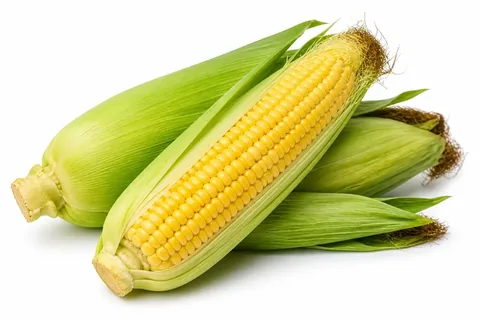
Classic companion — soya beans fix nitrogen that benefits sweetcorn, and the tall plants provide shelter from wind.
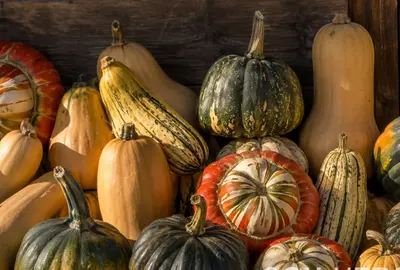
Good bed companion with different root depths. Squash leaves suppress weeds between soya bean rows.
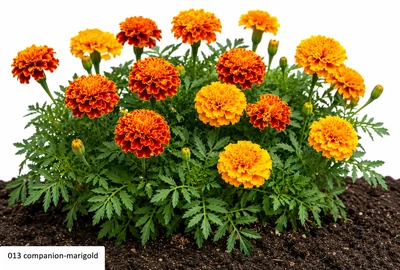
Repel aphids and bean seed fly. French marigolds are particularly effective planted around the bed perimeter.
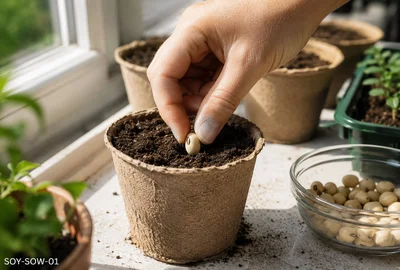
Sow one seed per 9cm pot in April at 18–20°C. Cold soil causes patchy germination — use a heated propagator or warm windowsill. Sow 2.5cm deep.
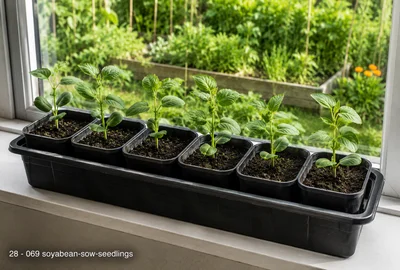
Seeds germinate in 7–10 days. Grow on in good light to prevent leggy seedlings. Keep compost moist but never waterlogged.
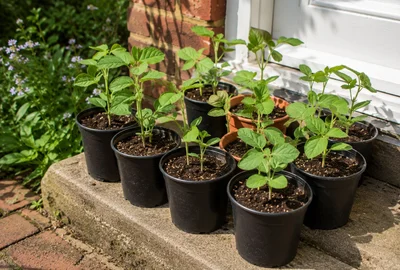
From mid-May, harden off plants over 10–14 days. Move outdoors during warm days and bring in at night, gradually extending outdoor time.
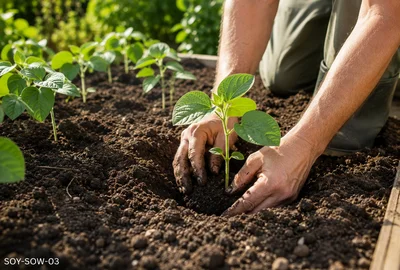
Plant out after all frost risk has passed (late May–early June). Space 10–15cm apart in rows 30–45cm apart. Choose the warmest, most sheltered spot.
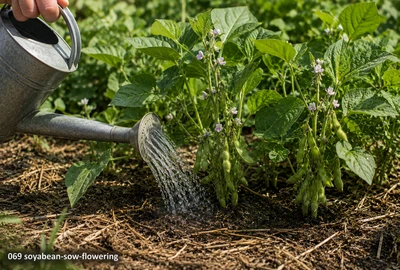
Water consistently once pods begin to swell in August. This is the critical period — inconsistent watering causes pods to abort. Apply a mulch to retain moisture.
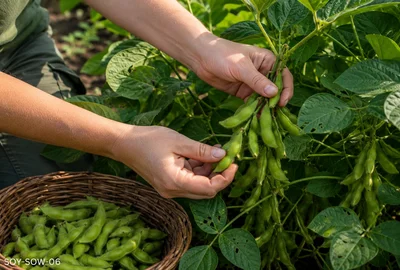
For edamame, harvest when pods are plump and bright green (Aug–Sep). For dry beans, leave until pods turn brown and rattle, then dry for two weeks in a warm shed before shelling.
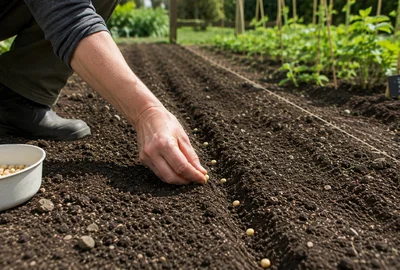
Sow direct only in May when soil has reached at least 15°C. Cold soil causes seeds to rot rather than germinate. A soil thermometer is worthwhile.
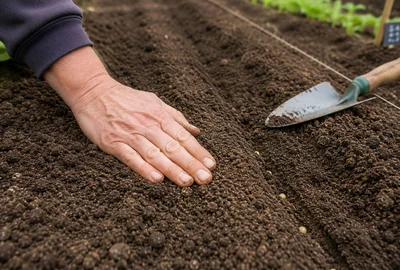
Sow 2.5cm deep, one seed every 10–15cm in rows 30–45cm apart. Cover and firm gently. Water in well. Protect with fleece in cool spells.
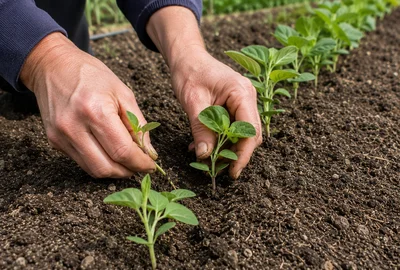
Thin to the strongest seedling if more than one germinates per station. Thinnings can be carefully transplanted if roots are not disturbed.
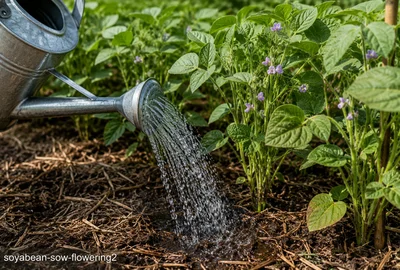
Keep well watered from flowering through pod fill. Dry spells at this stage cause significant yield loss. Mulch around plants to retain moisture.
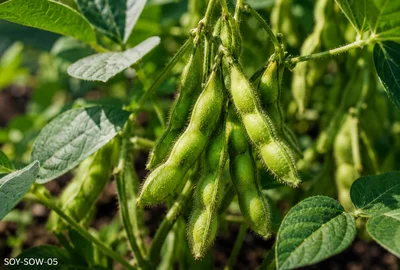
Pods develop rapidly once flowering is complete. Check plants daily from late August — edamame pods are ready within a very short window of peak flavour.
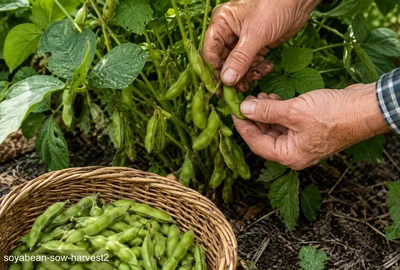
Pick pods for edamame when plump and bright green. For dry beans, leave until the whole plant has turned yellow-brown, then cut at the base and dry under cover for two weeks.
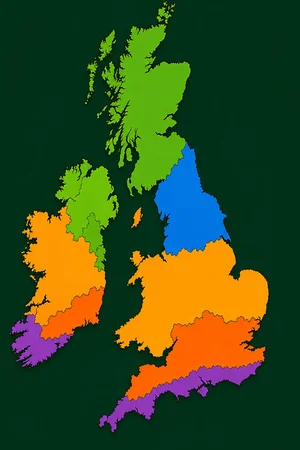
| Region | Sow / plant | Harvest | Notes |
|---|---|---|---|
| Scotland & Far North | Apr | — | Indoors only in April. Too cool for reliable outdoor cropping — polytunnel essential. Harvest unlikely without protection. · Apr only (indoors) |
| Northern England | Apr–May | Aug–Sep | Start indoors April, plant out late May. Polytunnel strongly recommended. Outdoor harvest possible in a good summer — Aug–Sep. · Apr – May |
| Midlands & Wales | Apr–May | Aug–Sep | Sow indoors April, direct sow May. South-facing sheltered position. Harvest Aug–Sep as edamame; Oct if leaving for dry beans. · Apr – May |
| Ireland & Isle of Man | Apr–May | Aug–Sep | Sow indoors April, plant out late May. Sheltered position essential. Harvest Aug–Sep; polytunnel improves yield significantly. · Apr – May |
| South & SE England | Mar–May | Aug–Oct | Sow indoors March–April; direct sow from May. Best outdoor performance in UK. Harvest Aug–Sep edamame; Oct dry beans. · Mar – May |
| South Coast & SW | Mar–May | Aug–Oct | Earliest reliable outdoor crop. Sow indoors March; direct from May. Warm summers give best yields. Harvest Aug–Oct. · Mar – May |
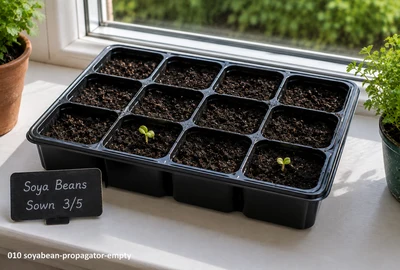
Soya beans benefit from starting indoors in April where a heated propagator or warm windowsill gives seeds the consistent 18–20°C they need for reliable germination. In the UK's variable spring temperatures, indoor starting is strongly recommended — direct sowing into cold soil produces very poor, patchy germination. A propagator accelerates germination and gives plants a 3–4 week head start that is genuinely important for this long-season crop.
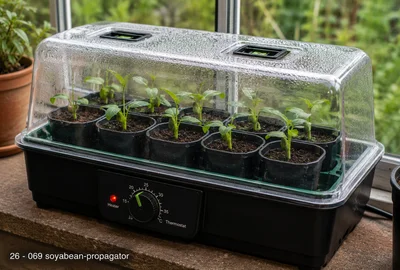
Set to 18–20°C. Sow one seed per 9cm pot or deep module, 2.5cm deep. Germination takes 7–10 days at this temperature. Remove from propagator once seedlings emerge and grow on in good light at 15°C minimum.
A warm windowsill (18°C+) in April works well. Avoid sowing into cold compost — place the propagator tray on a heat mat or in the warmest room available. Germination may take up to 14 days at lower temperatures.
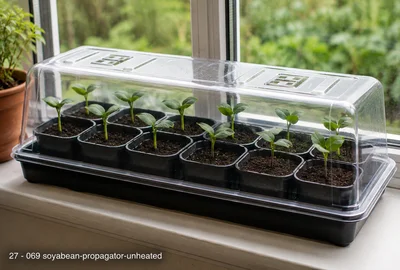
Standard unheated propagator — A lidded seed tray traps warmth and humidity around germinating seeds without electricity. Performance depends entirely on room temperature — best placed on a warm windowsill and used from March onwards. Replace the lid promptly after watering. Remove it completely the moment seedlings emerge to prevent damping off.
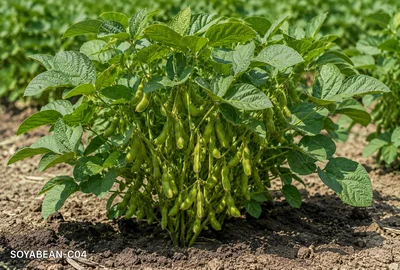
Soya bean plants are bushy and generally self-supporting up to about 60cm. In exposed positions, a short cane or string line between stakes along the row prevents wind rock. Remove competing weeds early — once established, plants shade out most weeds themselves. No pinching out or training is required.
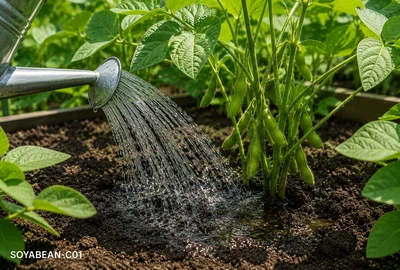
Water consistently through flowering and pod fill — this is the stage where yield is made or lost. A deep watering twice a week in dry weather is better than frequent shallow watering. As a legume, soya beans fix their own nitrogen and need no additional feed. Avoid high-nitrogen fertilisers, which promote leaf growth at the expense of pods.
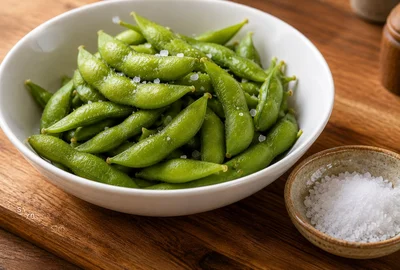
For edamame, harvest pods when plump and bright green with beans clearly defined inside. The whole crop tends to ripen at once — check plants daily in late August. Pods freeze superbly: blanch in boiling salted water for three minutes, drain and freeze. For dry beans, leave pods until they turn brown and rattle on the plant before harvesting.
Soya beans need warmth to produce a good crop. In a cool, cloudy summer they will yield poorly. A polytunnel or south-facing wall significantly improves performance. Do not sow too early — cold soil is the most common cause of failure. Dry soya beans must be boiled vigorously for at least 10 minutes before eating — they contain harmful compounds when raw or undercooked.
Full identification and treatment advice is in the Pests and Diseases sections.
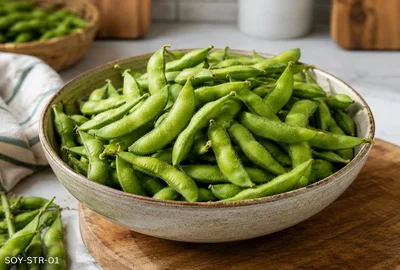
Freshly picked edamame is at its best within hours of harvest. Steam or boil pods in salted water for 4–5 minutes, then serve in the pod — eat by squeezing the beans directly into your mouth. The flavour is incomparably better than anything available in shops.
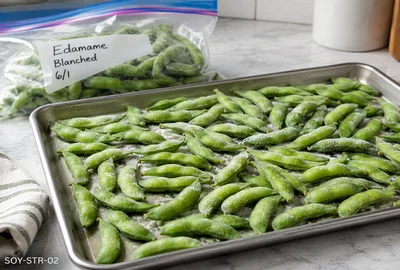
Edamame freezes superbly. Blanch whole pods in boiling salted water for 3 minutes, plunge into ice water, drain thoroughly and freeze in bags. Frozen edamame keeps for up to 12 months and cooks from frozen in 3–4 minutes — a remarkable store-cupboard standby from your own garden.
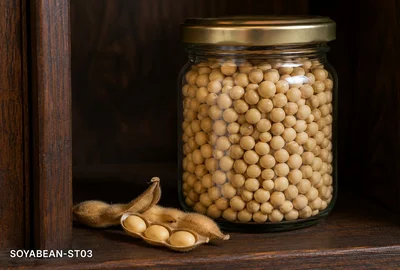
For dry soya beans, harvest the whole plant when pods are brown and rattle. Hang in a warm, airy shed for two weeks until completely dry. Shell by hand or thresh in a bag. Store dried beans in airtight jars — they keep for up to two years. Soak overnight before cooking; dry soya beans must be boiled vigorously for at least 10 minutes before eating.
Soya beans are marginal in the UK outdoors — they need warmth to perform well. Growing under a polytunnel or against a south-facing wall adds weeks of effective growing season and dramatically improves pod set and yield. If you have any protected space, prioritise it for soya beans.
Cold soil is the single most common cause of soya bean failure. Resist the urge to sow in April outdoors — soil below 15°C causes seeds to rot in the ground. Wait until May at the earliest for direct sowing, or start indoors in a heated propagator.
The window for perfect edamame is surprisingly short — pods go from ready to overripe in just a few days at peak summer temperatures. Once pods feel plump and firm, check plants daily. Steam a test pod before committing to the full harvest.