⚡ Quick facts
- Difficulty
- Moderate
- Crop type
- Hardy Annual
- Position
- Full Sun or Part Shade
- Soil
- Fertile, well-drained, moisture-retentive
- Container friendly
- Not ideal — needs space for full head development
- Greenhouse recommended
- Useful for extending season into November and December
- Outdoor suitable
- Yes — all UK regions through autumn; protect from hard frost
- Frost hardy
- Tolerates light frost; hard frost (-5°C) damages leaves — protect with cloche from November
01 About
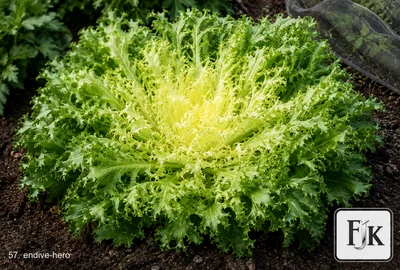
Endive is among the most elegant and undervalued salad crops in the British kitchen garden. When summer salads have bolted and the beds are thinning out, endive steps in — producing crisp, beautifully formed heads through autumn and into December, and tolerating conditions that would finish off most other leafy crops. Two quite different plants share the name: frisée, with its dramatic, deeply cut, frizzy outer leaves surrounding a blanched pale-yellow heart; and escarole (Batavian endive), with broad, slightly wavy, more robust leaves and a large creamy centre. Both are improved immeasurably by blanching — a simple two-week process of excluding light from the heart that transforms bitter outer leaves into something tender, mild, and almost sweet. Home-grown blanched endive, harvested fresh and dressed simply with walnut oil and mustard, is one of the great autumn salads.
02 What to Grow
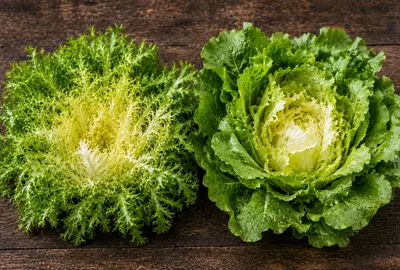
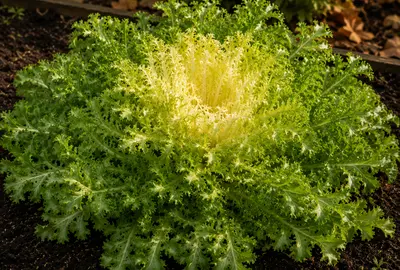
Endive divides into two distinct horticultural types with quite different appearances and uses. Frisée (curly endive) produces the dramatic, deeply cut, frizzy-leaved heads seen in French bistro salads — with dark green, intensely bitter outer leaves and a tightly blanched pale yellow-white heart at the centre. The contrast between the two is striking both visually and in flavour. Frisée is the more labour-intensive type: it needs careful blanching and is less cold-tolerant than escarole. Escarole (Batavian endive) is broader-leaved, more robust, and considerably hardier — its large, flat, slightly wavy leaves form a generous head with a broad, naturally self-blanching centre. Escarole is milder than frisée, less bitter, and more forgiving in the kitchen. Both types are worth growing for different parts of the season: frisée for the finest quality blanched salads in September and October; escarole for hardier, more substantial autumn and early winter production. The blanching process — simply covering the heart for 10–14 days — is the defining technique for both and makes the difference between an acceptable salad leaf and an outstanding one.
03 Varieties
The number of varieties shown for each crop is based on UK consumption data (2025/26) — the more popular the crop, the more variety choices we include.
🌀 Frisée (Curly Endive)
Deeply cut, frizzy-leaved endive producing dramatic, spreading heads with intensely bitter outer leaves and a tightly blanched pale yellow heart. The most visually spectacular endive type and the most commonly seen in French cooking. Requires careful blanching for best results. Less cold-hardy than escarole.
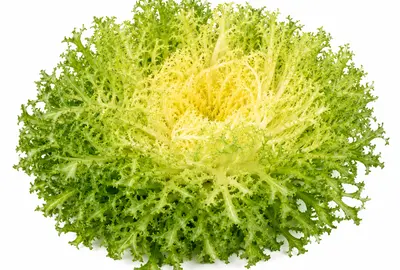
Fine Maraîchère
Frisée · Market Garden
The definitive market-garden frisée — named for the maraîcher (market gardener) tradition of French intensive cultivation. Produces a full, spreading head of very finely cut, densely curled leaves with outstanding blanching quality. The blanched heart is particularly pale, tender, and delicate. One of the most beautiful salad plants in the autumn garden, with a striking contrast between the dark green outer frills and the creamy-white blanched centre. The benchmark against which other frisée varieties are measured.
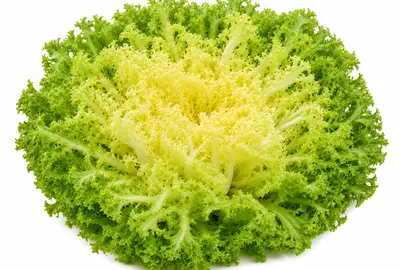
Wallonne
Frisée · Heritage
Belgian heritage frisée named for the Wallonia region where it has been grown by market gardeners for generations. Produces a broad, densely curled head with good natural blanching tendency — the inner leaves begin to self-blanch to some degree as the head matures, reducing the need for extended artificial blanching. Very productive and reliable. The flavour of the blanched heart is excellent — mildly bitter, crisp, and refreshing. A good choice for the less experienced endive grower.
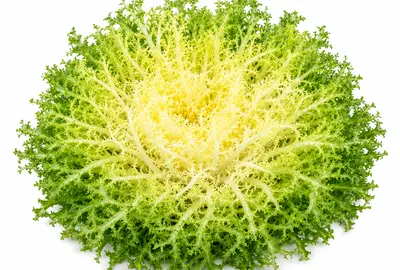
Pancalieri
Frisée · Italian
Italian frisée variety from the Piedmont region, noted for exceptionally finely cut, almost lacy curled leaves that create one of the most decorative heads in the endive family. Outstanding blanching quality — the heart turns a particularly pure, pale yellow under blanching conditions. Slightly less vigorous than French types but with very fine flavour. Excellent for restaurants and gardeners who value presentation. Slightly less cold-tolerant than French frisée types.
🥬 Escarole (Batavian Endive)
Broad-leaved, robust endive with flat or slightly wavy leaves forming a large, generous head with a naturally self-blanching centre. Milder and less intensely bitter than frisée. Considerably hardier than frisée types. Outstanding for cooking as well as raw use. The workhorse of the autumn and early winter salad garden.
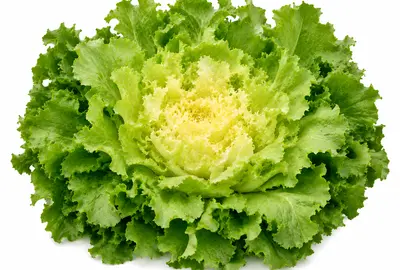
Batavian Broad Leaved
Escarole · Classic
The classic British escarole — a large, flat, slightly wavy-leaved head with broad mid-green outer leaves and a generous naturally pale centre. The most widely available escarole in UK seed catalogues. Produces large, substantial heads that are proportionally less bitter than frisée with a milder, more approachable flavour when blanched. Very hardy — will tolerate light frosts outdoors and extends well into November in most UK regions. Excellent both raw in salads and braised as a cooked vegetable.
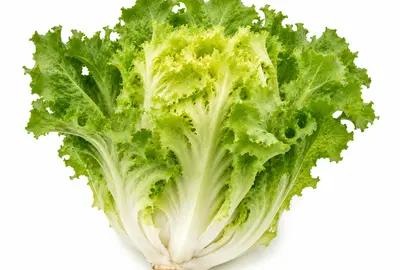
Cornet de Bordeaux
Escarole · Upright
A distinctive upright escarole from the Bordeaux region of France, producing a compact, semi-upright head with broad leaves that curve naturally inward toward the centre — giving a degree of self-blanching without any intervention. The upright habit means the inner leaves are naturally shielded from light to some extent, making this one of the most convenient varieties for gardeners who want to reduce blanching effort. Excellent flavour and reliable performance. Popular with French market gardeners for autumn production.
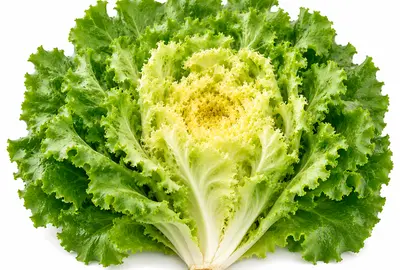
Grosse Bouclée
Escarole · Large Head
One of the largest and most productive escarole varieties — forming a broad, generous head of slightly curled broad leaves with an exceptionally large blanching heart at the centre. The name (Large Curled) reflects both the scale of the head and the slight curl of the outer leaves. Very productive per plant — one of the highest-yielding escarole varieties available. Excellent flavour, particularly when braised. Slightly less cold-hardy than flat-leaved escarole types but very reliable through October and November with cloche protection.
🌿 Specialist & Heritage Types
Finer-leaved, more unusual varieties offering different head forms, flavours, and seasonal characteristics. Worth seeking out from specialist seed companies for diversity and for specific culinary uses.
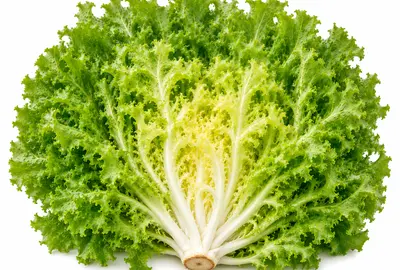
Très Fine Maraîchère
Frisée · Very Fine
The finest-leaved of all frisée endive varieties — producing a delicate, almost cobweb-like head of extremely finely cut, hair-fine curls that are more decorative than any other endive type. Excellent blanching quality with a particularly tender, mild heart. Popular with chefs for its appearance on the plate. Slightly slower to mature than standard Fine Maraîchère and requires more care in damp conditions as the dense fine foliage can trap moisture. Outstanding under cover in autumn.
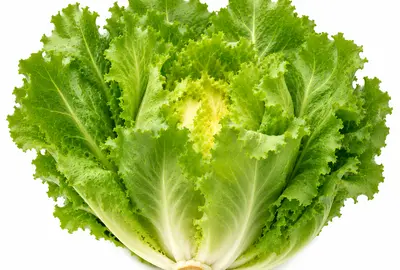
En Cornet de Rouen
Escarole · Heritage
A distinctive heritage French escarole from the Rouen region with an unusual upright, trumpet or cornet-shaped head — the broad outer leaves curve upward and inward to form a tight, conical heart. This self-cupping habit provides a degree of natural blanching without any external cover needed, though artificial blanching still dramatically improves quality. Heritage variety with excellent depth of flavour. Less commonly available than mainstream escaroles but worth seeking from French seed companies.
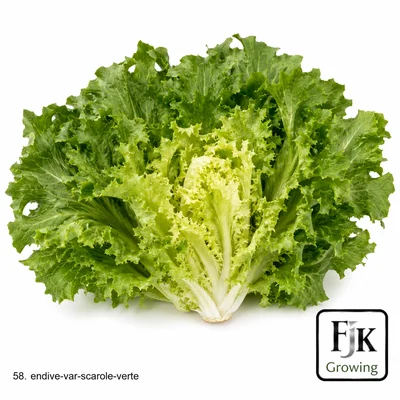
Scarole Verte
Escarole · Traditional
Traditional broad-leaved green escarole with a large, open, generous head and prominent pale blanching centre. One of the traditional varieties of Italian and French market gardens. Scarole Verte produces one of the largest heads of any endive type — very productive and substantial. The outer leaves are used in cooking (soups, braises) while the blanched inner leaves are reserved for raw salads. A workhorse variety for the serious kitchen garden. Very good cold tolerance for an escarole.
04 Where to Source
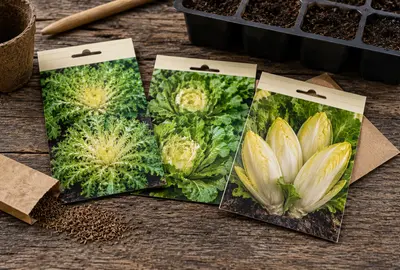
Endive seed is available from most specialist vegetable seed companies, though supermarkets and general garden centres typically stock only one or two varieties. For the full range of named frisée and escarole varieties — including heritage French types like Fine Maraîchère, Wallonne, Pancalieri, Cornet de Bordeaux, and Grosse Bouclée — specialist online seed companies are essential. French seed companies offer the widest selection. Endive is also occasionally available as plug plants from late summer, which works well for gardeners who miss the early sowing window.
05 Planting Options
🌿 Open Ground (Direct Sow)
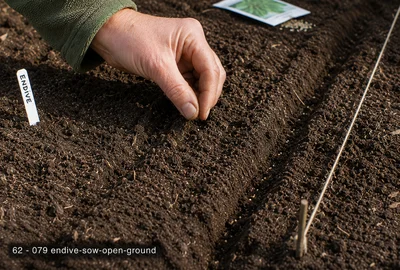
Direct sowing into well-prepared outdoor soil from June to August is the standard method. Draw shallow drills 1cm deep and 30cm apart, sow thinly, and thin progressively to the final 25–30cm spacing. Endive does not mind partial shade — a position that receives some afternoon shade is ideal in the warmer months of June and July, reducing bolt risk.
Suitable varieties: All varieties. Most reliable method for main crop.
🪴 Module Sowing (Indoors)
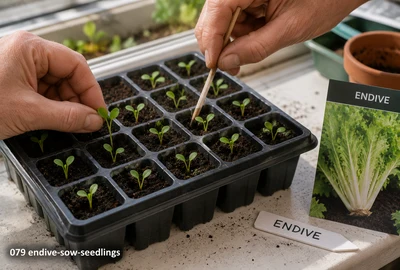
Module sowing from June onwards gives transplants that can follow early summer crops. Sow 2 seeds per module cell, thin to the strongest. Plant out 3–4 weeks after sowing at 25–30cm spacing. Module-raised plants establish quickly and avoid the slug pressure that direct-sown seedlings face. Particularly useful for late July and August sowings that will produce autumn and early winter heads.
Suitable varieties: All varieties. Particularly useful for late sowings and where slug pressure is high.
06 Companion Planting
✅ Grow nearby
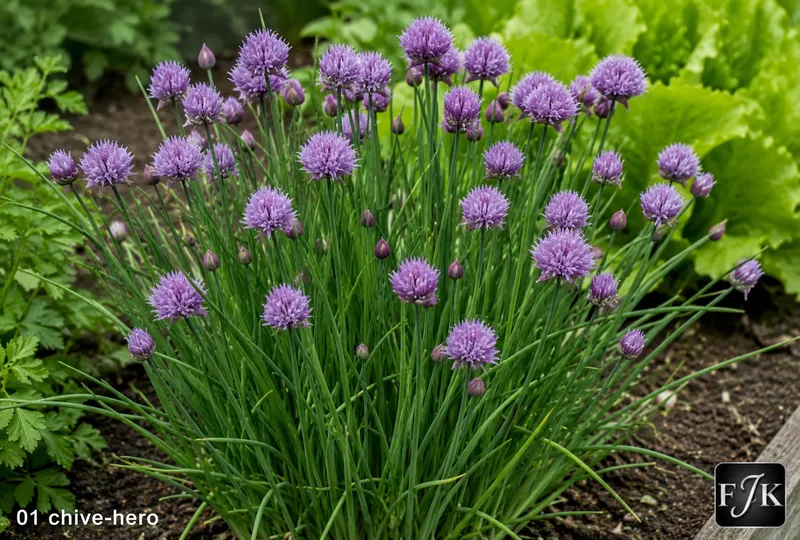
Chives deter aphids that occasionally colonise endive in warm weather. A useful aromatic companion at the edge of the salad bed.
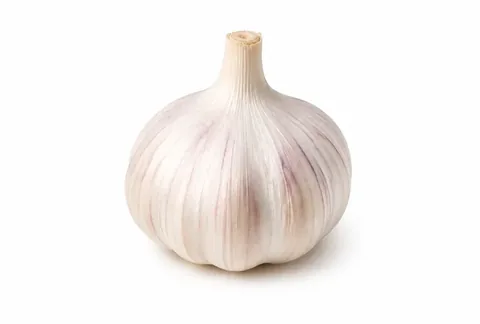
Garlic planted in the same bed area in autumn repels aphids — a primary endive pest in the warmer months of the growing season.
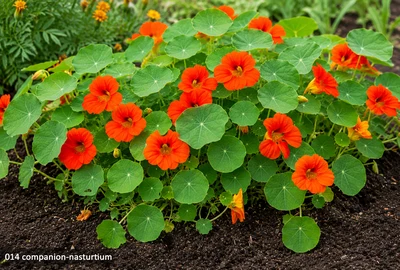
🌺 Nasturtiums
Nasturtiums act as a trap crop for aphids, drawing them away from endive. Plant at the bed margins.
❌ Keep apart
- 🌿 Fennel — Florence fennel releases allelopathic compounds that inhibit endive growth. Keep well separated in the bed.
- 🥬 Celery — Both are moisture-demanding crops that compete for the same resources. Separate in the bed plan to avoid competition stress, which triggers bolting in both.
07 Sowing — How To
🌱 Direct Sowing (Outdoors)
Prepare the seedbed
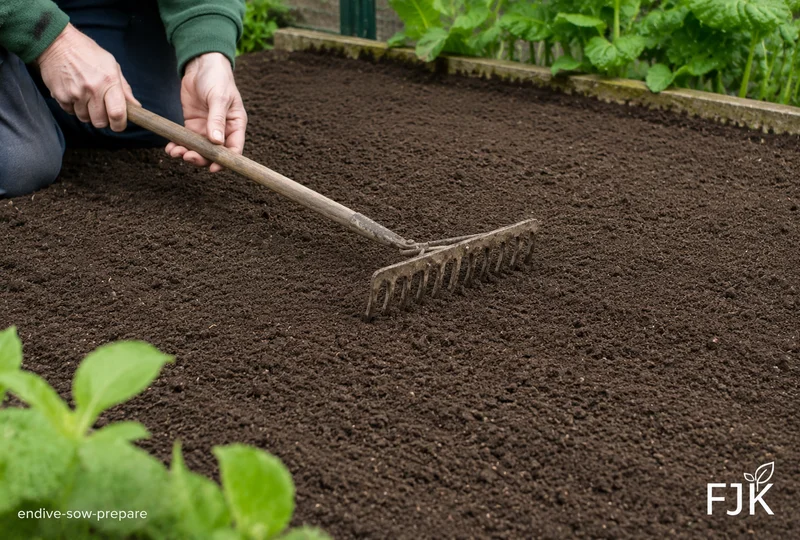
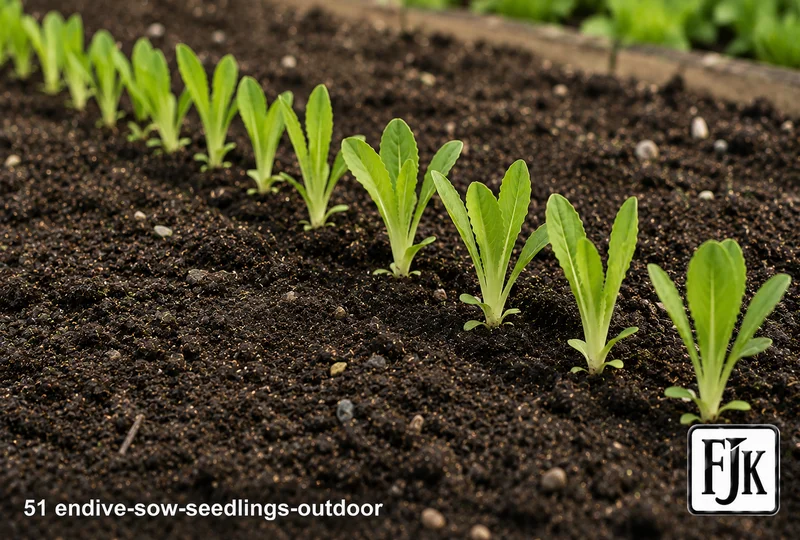
Rake the soil to a fine, weed-free tilth. Endive prefers fertile, moisture-retentive soil — incorporate compost if the bed is poor. A level, fine seedbed gives the most reliable germination. Remove all weed growth as endive seedlings are easily overwhelmed.
Draw shallow drills
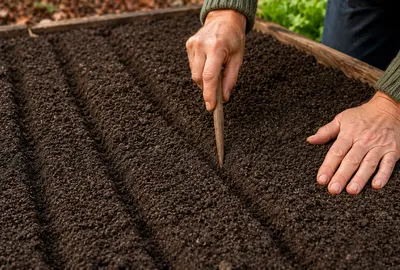
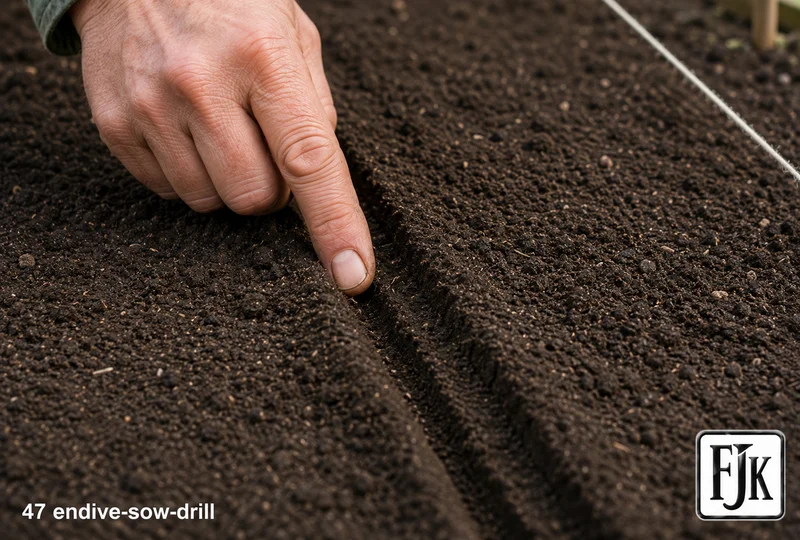
Draw drills 1cm deep and 30cm apart using a cane or the corner of a hoe. Water the drill before sowing if the soil is dry — midsummer soils can be very dry and pre-watering ensures reliable germination. One drill per row is sufficient for most garden-scale plantings.
Sow thinly
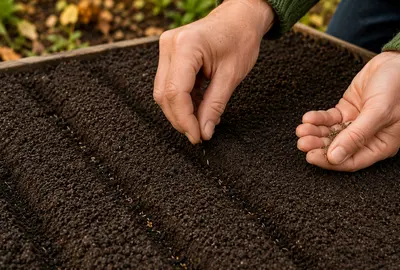
Sow seed thinly along the drill at roughly 2cm intervals. Endive seed is small but manageable. Thin sowing saves considerable thinning work later. Aim for one seed every 2cm and accept that some gaps will occur — better than overcrowding.
Cover and firm
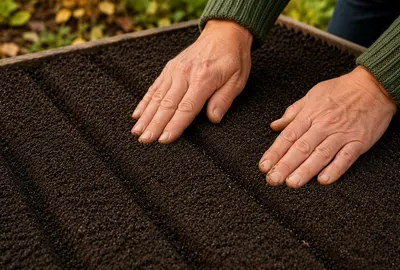
Draw fine soil back over the drill to a depth of 1cm. Firm gently with the back of a rake and water with a fine rose if not pre-watered. Germination takes 7–14 days in summer conditions. Keep the seedbed moist until seedlings are visible.
Thin seedlings
Thin in two stages: first to 10cm when seedlings have 2–3 true leaves, then to the final 25–30cm spacing 2–3 weeks later as the strongest plants establish. Remove surplus plants by snipping at soil level — pulling disturbs remaining roots. Thinnings are edible as salad greens.
Blanch before harvest
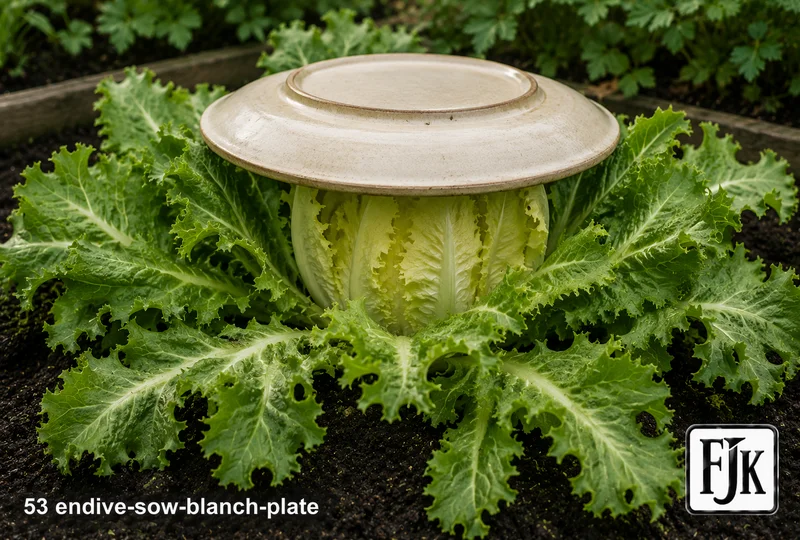
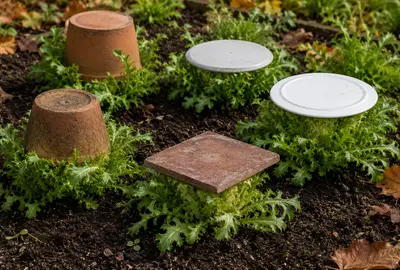
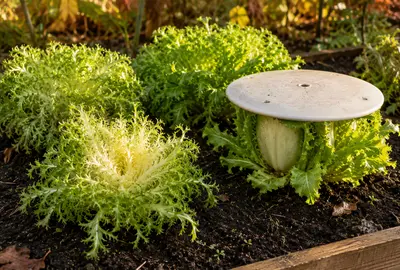
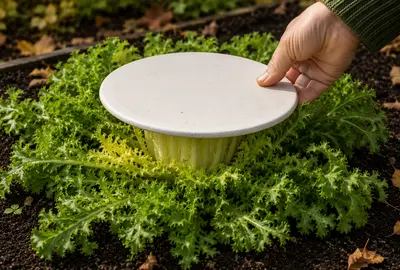
When heads are approaching full size — typically 10–12 weeks from sowing — blanch the hearts to reduce bitterness. Place an upturned dinner plate, piece of card, or flat tile directly over the centre of the plant on a dry day. Exclude all light from the heart. After 10–14 days the inner leaves will be pale, tender, and much milder. Harvest promptly after blanching as blanched leaves deteriorate quickly.
Harvest
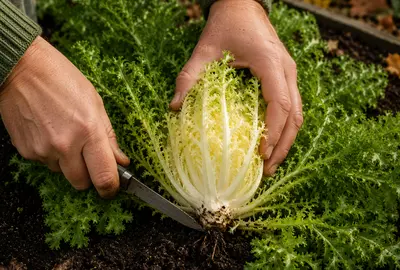
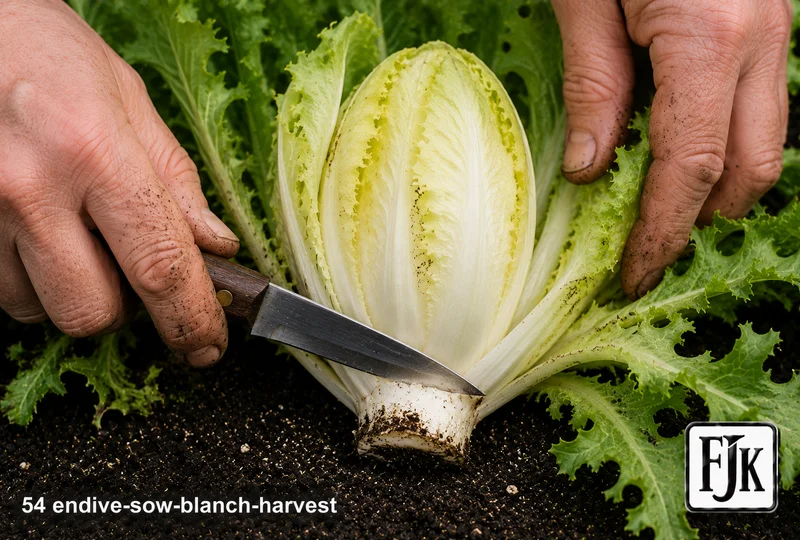
Cut the blanched head at soil level with a sharp knife. The pale, cream-yellow inner leaves are revealed as the outer bitter green leaves are peeled back. Use within 2–3 days. The stump may produce a small secondary growth of leaves over the following weeks.
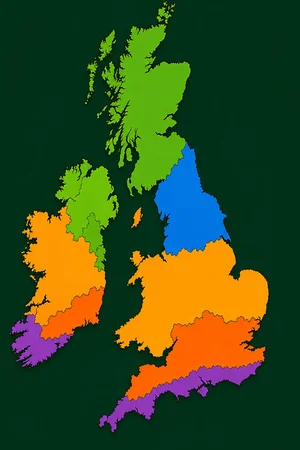
Direct Sowing (Outdoors) — regional timing| Region | Sow / plant | Harvest | Notes |
|---|
| Scotland & Far North | Jun–Jul | Sep–Nov | Jun–Jul direct · Plant: N/A · Harvest: Sep–Nov |
|---|
| Northern England | Jun–Jul | Sep–Nov | Jun–Jul direct · Plant: N/A · Harvest: Sep–Nov |
|---|
| Midlands & Wales | Jun–Aug | Sep–Dec | Jun–Aug direct · Plant: N/A · Harvest: Sep–Dec |
|---|
| Ireland & Isle of Man | Jun–Aug | Sep–Dec | Jun–Aug direct · Plant: N/A · Harvest: Sep–Dec |
|---|
| South & SE England | Jun–Aug | Sep–Dec | Jun–Aug direct · Plant: N/A · Harvest: Sep–Dec |
|---|
| South Coast & SW | Jun–Aug | Sep–Dec | Jun–Aug direct · Plant: N/A · Harvest: Sep–Dec |
|---|
🪴 Module Sowing (Indoors)
Fill module cells
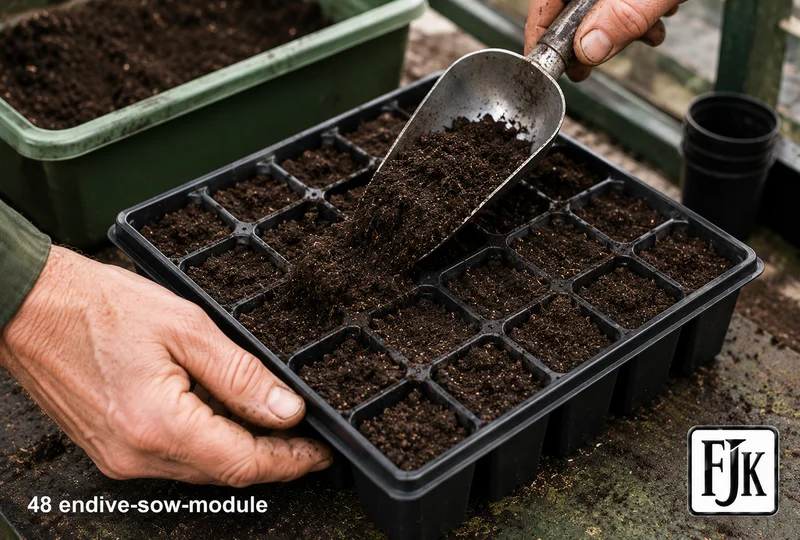
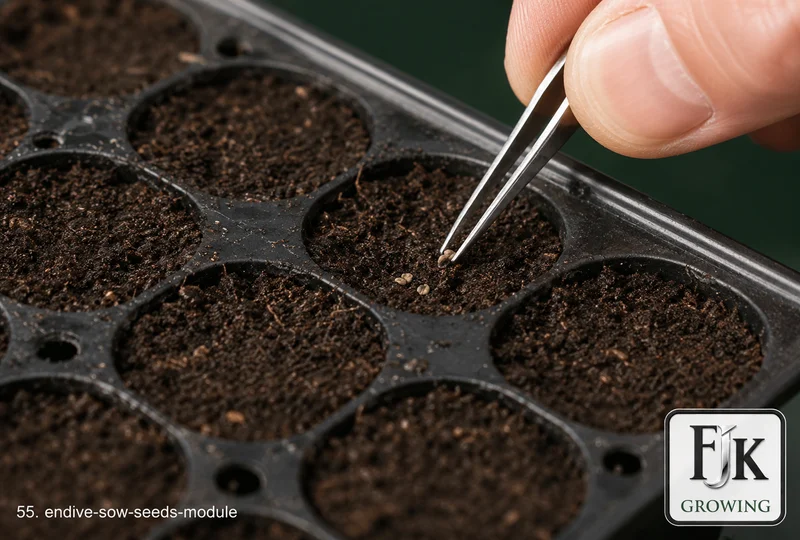
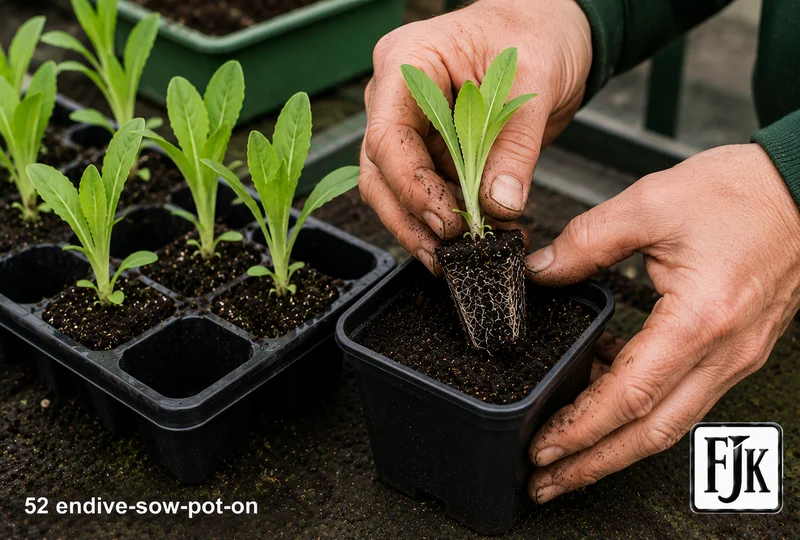
Fill module trays with good multipurpose compost. Sow 2 endive seeds per module cell at 1cm depth. Endive transplants well from modules and this method avoids early slug damage to seedlings. Place on a bright windowsill or in a cold greenhouse — no heat needed in summer.
Thin to one per cell
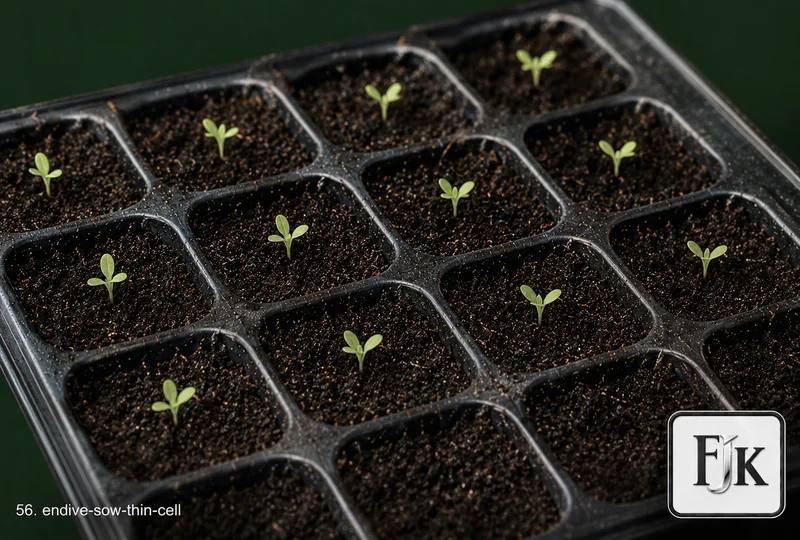
When seedlings have their first true leaves, snip the weaker of the two seedlings at compost level with scissors. Leave the strongest one to develop. Do not pull — disturbing the roots of the remaining seedling sets it back significantly.
Grow on for 3–4 weeks
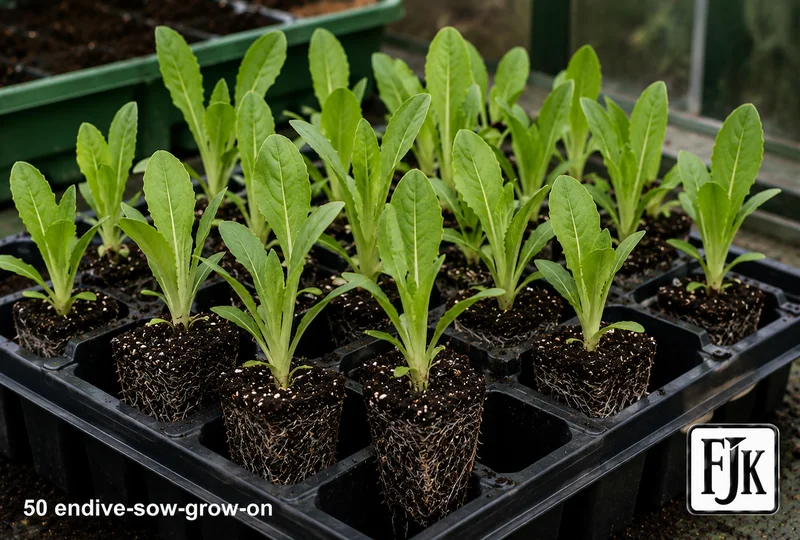
Grow in good light for 3–4 weeks until the root ball fills the module. Do not allow to become pot-bound — endive that sits too long in small cells becomes stressed and bolts after transplanting. Plant out when roots are just visible at the base of the module.
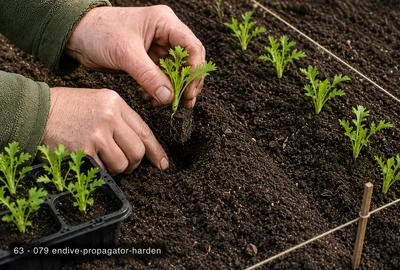
Plant out at final spacing
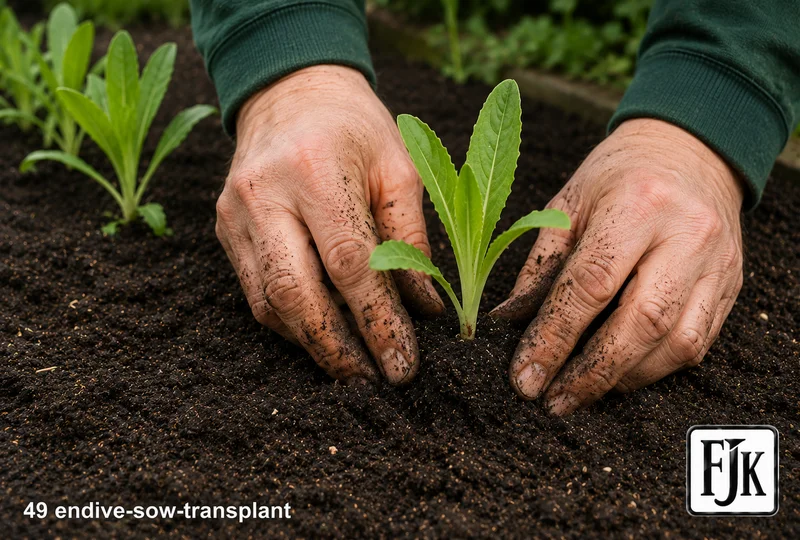
Plant out 25–30cm apart in well-prepared soil. Firm in well and water thoroughly. Module-raised plants should show no transplant check if planted when roots just fill the module. Water in dry spells until established.
Blanch and harvest
As for direct-sown plants — blanch 10–14 days before harvest by covering the heart completely. Harvest when the inner leaves are pale, tender, and cream-yellow. Use within 2–3 days of cutting.
Module Sowing (Indoors) — regional timing| Region | Sow / plant | Harvest | Notes |
|---|
| Scotland & Far North | Jul–Aug | Sep–Nov | Jun–Jul modules · Plant: Jul–Aug · Harvest: Sep–Nov |
|---|
| Northern England | Jul–Aug | Sep–Nov | Jun–Jul modules · Plant: Jul–Aug · Harvest: Sep–Nov |
|---|
| Midlands & Wales | Jul–Sep | Sep–Dec | Jun–Aug modules · Plant: Jul–Sep · Harvest: Sep–Dec |
|---|
| Ireland & Isle of Man | Jul–Sep | Sep–Dec | Jun–Aug modules · Plant: Jul–Sep · Harvest: Sep–Dec |
|---|
| South & SE England | Jul–Sep | Sep–Dec | Jun–Aug modules · Plant: Jul–Sep · Harvest: Sep–Dec |
|---|
| South Coast & SW | Jul–Sep | Sep–Dec | Jun–Aug modules · Plant: Jul–Sep · Harvest: Sep–Dec |
|---|
08 Using a Propagator
Endive does not require a propagator. For module sowing in summer, seeds germinate readily at room temperature — a bright windowsill or cool greenhouse is entirely sufficient. No bottom heat is needed from June to August when all endive sowings take place.
Heated propagator
A heated propagator is not needed and not recommended for endive. All sowings are made in summer (June–August) when ambient temperatures are high enough for excellent germination without heat. A heated propagator would produce drawn, weak seedlings in the heat of summer.
No heat needed
Sow endive in modules from June to August at room temperature. A bright windowsill, porch, or cold greenhouse gives excellent results. No propagator or bottom heat is required at any stage.
Sow 2 per module
Fill module cells with multipurpose compost. Press 2 seeds 1cm deep per cell. Water gently. Place in good light. Germination in 7–10 days at summer temperatures. Both seeds may germinate — thin to the strongest when seedlings have first true leaves.
Grow on in full light
Endive seedlings need maximum light to grow stocky rather than drawn. A south-facing windowsill or cold greenhouse bench gives the best results. Rotate the tray every few days if growing on a windowsill to prevent one-sided growth.
Harden off and transplant
Once the root ball fills the module — usually 3–4 weeks after sowing — the seedling is ready to leave the propagation area. Firm in at 25–30cm spacing outdoors and water thoroughly to settle the roots.
Blanch before harvest
Blanch hearts 10–14 days before harvest by placing a flat plate or tile over the centre of the plant on a dry day. Complete light exclusion is essential — even small gaps allow greening and bitterness in the inner leaves.
09 Soil Requirements
- pH
- 6.0–7.0
- Best
- Loam, Sandy loam
- Tolerates
- Clay loam, Sandy
- Avoid
- Waterlogged, Very acid
💡 Fertile, well-drained soil. Very adaptable. Tolerates light shade well.
10 Ongoing Care
🍽️ Blanching
Blanching is the defining technique for endive and the step that most home growers skip — to the significant detriment of the crop. Without blanching, endive is intensely and unpleasantly bitter; with blanching, the inner heart becomes pale, tender, mildly bitter, and quite delicious. The process is simple: choose a dry day (wet leaves in darkness rot), and place a dinner plate, flat tile, piece of card, or upturned pot directly over the centre of the plant. The cover must exclude all light from the heart — even a small gap allows greening. Leave for 10–14 days. In cool autumn weather, 14 days gives the best result; in warmer September conditions, 10 days may be sufficient. Blanch only as many plants as you plan to harvest in the next few days — blanched heads deteriorate quickly and cannot be left in the garden indefinitely after blanching is complete.
💧 Watering
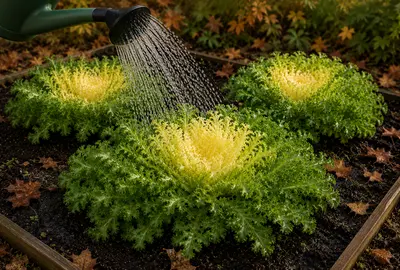
Consistent moisture is important throughout the growing season. Water young plants regularly until established — typically every 5–7 days in dry weather. Once plants are established and growing into their heads, water every 7–10 days or as conditions require. Irregular watering — particularly allowing the soil to dry completely then watering heavily — is a primary trigger for bolting and for poorly formed, intensely bitter hearts. In the drier months of August and September when endive is establishing, mulching between plants with compost helps retain soil moisture and reduces the watering burden significantly.
🌾 Harvesting
Harvest blanched endive promptly once the 10–14 day blanching period is complete. Cut the head at soil level with a sharp knife. Peel back the outer green leaves to reveal the pale, cream-coloured blanched heart. Use within 2–3 days — blanched endive does not keep well. Before blanching, outer leaves can be harvested continuously as cut-and-come-again over several weeks; simply take the outermost leaves and allow the plant to continue developing. Begin blanching only when the head is approaching full size. A wooden trug or basket of mixed frisée and escarole heads, some blanched pale gold, makes one of the most beautiful harvests of the autumn garden.
11 Watch Out For
WarningBolting is the primary risk — almost always caused by sowing before mid-June or by drought stress. Slugs and snails can destroy young plants rapidly in late summer conditions; protect seedlings with nematodes or copper barriers until plants reach 10cm. Downy mildew appears in wet, still conditions — improve airflow by ensuring adequate spacing and remove affected outer leaves promptly. Blanched hearts rot if covered while wet — always blanch in dry conditions and on dry plants.
🐛 Insects & pests
- 🐌 Slugs & Snails — Silver slime trails on leaves, soil, and pots — often the first sign before damage is found
- 🐜 Aphids (Blackfly & Greenfly) — Curled, distorted, or stunted growing tips — aphids inject saliva that causes leaf curl to protect them
🍄 Diseases to watch
- 🩶 Botrytis (Grey Mould) — Botrytis cinerea (grey mould) is the most ubiquitous fungal pathogen in temperate gardens — present in virtually every garden soil and on plant debris. It becomes a disease only when conditions favour it: cool, humid, poorly ventilated environments with damaged or senescent plant tissue. In a greenhouse in autumn it can destroy an entire tomato or grape crop.
- 🔵 Downy Mildew — Downy mildew is caused by oomycetes (water moulds) and is completely unrelated to powdery mildew despite the similar name. It thrives in cool, wet, humid conditions and is most damaging in spring and autumn. Each host plant has its own specific downy mildew species. Lettuce downy mildew can destroy an entire bed within days in the right conditions.
Full identification and treatment advice is in the Pests and Diseases sections.
12 Storage & Preserving
🧊 Refrigerator Storage
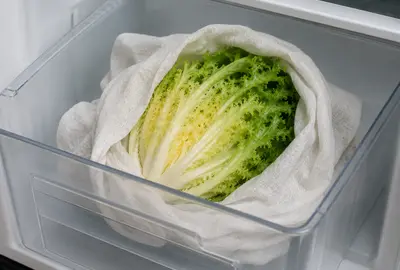
Harvested endive keeps well in the refrigerator for 3–5 days. Wrap loosely in a damp cloth or paper towel and place in the salad drawer away from light — light exposure causes cut endive to turn bitter at the cut surfaces. Do not wash before refrigerating. The outer leaves will wilt slightly but the blanched heart remains crisp and usable. For the finest quality, harvest, blanch, and eat the same day. Endive does not freeze well — the delicate texture of the blanched heart is destroyed by freezing.
🥗 Serving Fresh
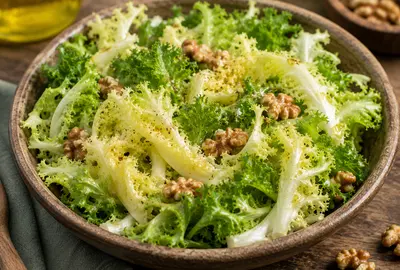
Endive is at its finest served raw. The classic French preparation is a frisée salad with lardons, croutons, and a warm poached egg — the rich dressing and egg yolk balance the pleasant bitterness of the leaves perfectly. Escarole is outstanding dressed with good olive oil, lemon juice, garlic, and anchovies. Both types work well with walnuts, pears, blue cheese, and honey-mustard dressings — sweet and rich ingredients complement the bitter leaf admirably. Wash just before serving, spin dry gently, and dress at the last moment. The blanched inner leaves need no dressing at all — they are delicate enough to eat plain.
🍳 Cooking
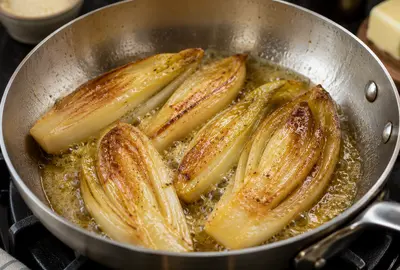
Endive transforms beautifully when cooked — the bitterness mellows significantly and a gentle sweetness emerges. Escarole is particularly well suited to cooking: braise halved heads in butter with a pinch of sugar and a splash of wine until caramelised and tender, or wilt briefly in olive oil with garlic as an Italian-style side dish. Frisée is less commonly cooked but excellent wilted briefly in a warm dressing (the classic French salade tiède technique where the hot lardons and dressing just barely wilt the leaves). Both types work well in soups, particularly combined with white beans and good stock in the style of Italian ribollita.
13 Expert Tips
💡 Two Sowings for Season
Make two endive sowings for a long season: one in late June for September–October harvest, and one in late July to early August for November–December harvest. The later sowing will need cloche protection from November but provides excellent salad when almost nothing else is available. Stagger blanching so that not all plants are ready at once — blanch 2–3 plants at a time every 10 days.
💡 Tie the outer leaves of frisée loosely over the heart with a rubber band or soft string as an alternative to plate blanching — this achieves the same light exclusion without requiring any additional equipment. It is less reliable than plate blanching (any gaps let in light) but works well in dry, settled autumn weather. Do not tie too tightly or moisture is trapped between the leaves, causing rot.
💡 Escarole is considerably more cold-hardy than frisée and can stand in the garden through light frosts without protection — useful for extending the harvest into November in mild areas. Cover frisée from late October with a cloche or cold frame. Both types can be potted up in September and brought under cover to a cool greenhouse or porch, where they will continue to develop and can be blanched at leisure through November and December.
14 Common Mistakes
⚠ Sowing
- Sowing before mid-June — spring and early summer endive sowings bolt reliably without forming usable heads; always wait until June
- Sowing too thickly — crowded plants compete and fail to form proper heads; thin resolutely to the final 25–30cm spacing
⚠ Ongoing Care
- Skipping the blanching step — unblanched endive is too bitter for most palates; the 10–14 day blanching process is not optional for good results
- Blanching in wet conditions — covering damp plants causes the heart to rot; always blanch on a dry day and check that the outer leaves are dry before covering
⚠ Harvest
- Leaving blanched plants in the ground too long — once blanching is complete, harvest within a few days; plants left blanched in the ground for more than 2 weeks begin to deteriorate
- Harvesting too late in the season without frost protection — endive is damaged by temperatures below -3°C; cover with a cloche from November in most UK regions